Easy-to-Learn Board Games That Are Actually Fun for Adults

Easy-to-Learn Board Games That Are Actually Fun for Adults

Skip the boring rulebooks. These easy-to-learn board games keep things smart, quick, and fun — perfect for family nights or casual gamers who want strategy without stress.
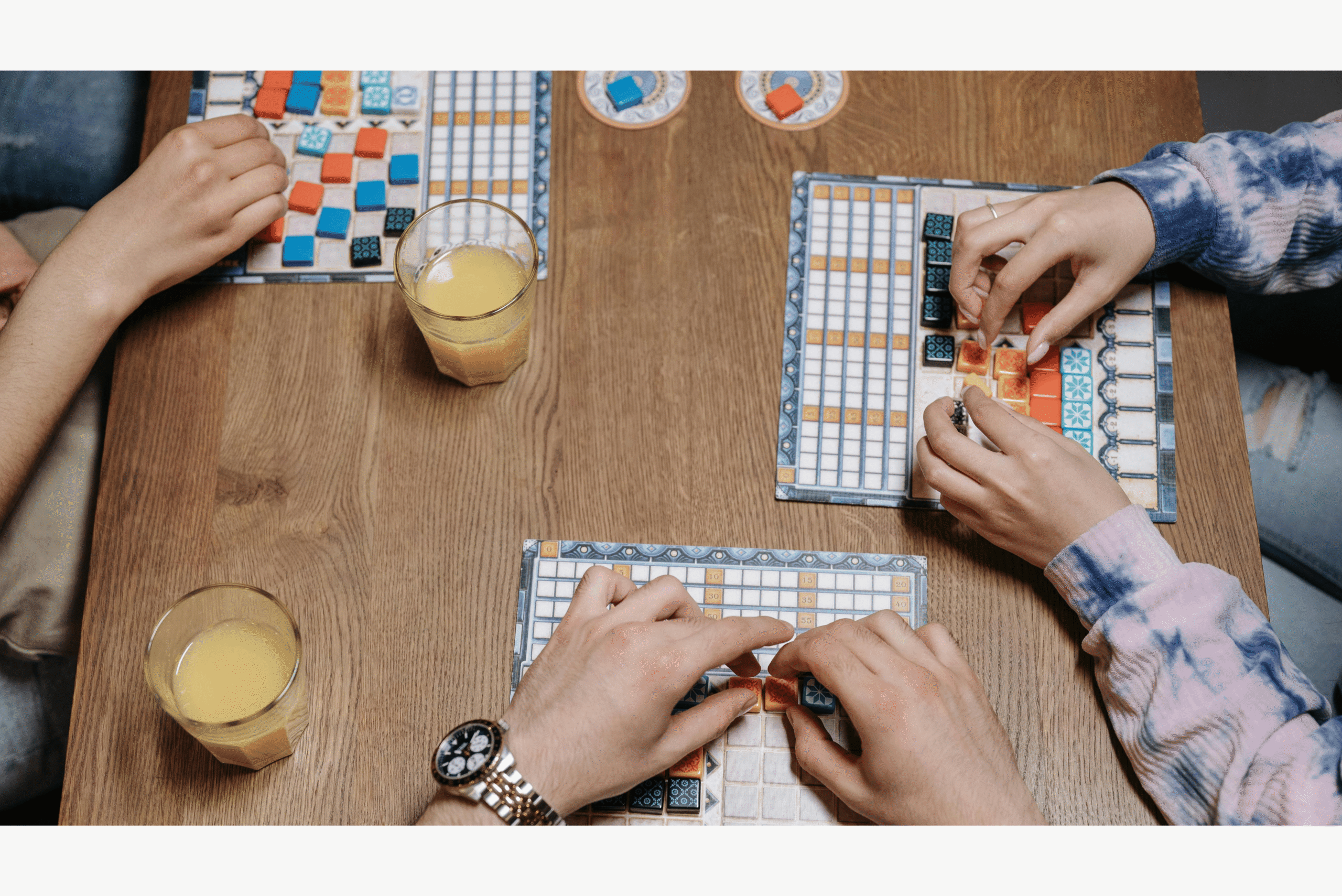
Easy-to-Learn Board Games That Are Actually Fun for Adults

Sometimes You Just Don’t Want Homework in a Box

Let’s be real. Some board games feel like studying for finals. You just wanted a little fun. Not a side quest in rule interpretation.

That’s where the easy-to-learn gems come in. Simple to teach. Fast to play. Still deep enough to make you think, laugh, and maybe plot revenge for next round. These are the games we grab when we want to play, not prep.

The Games
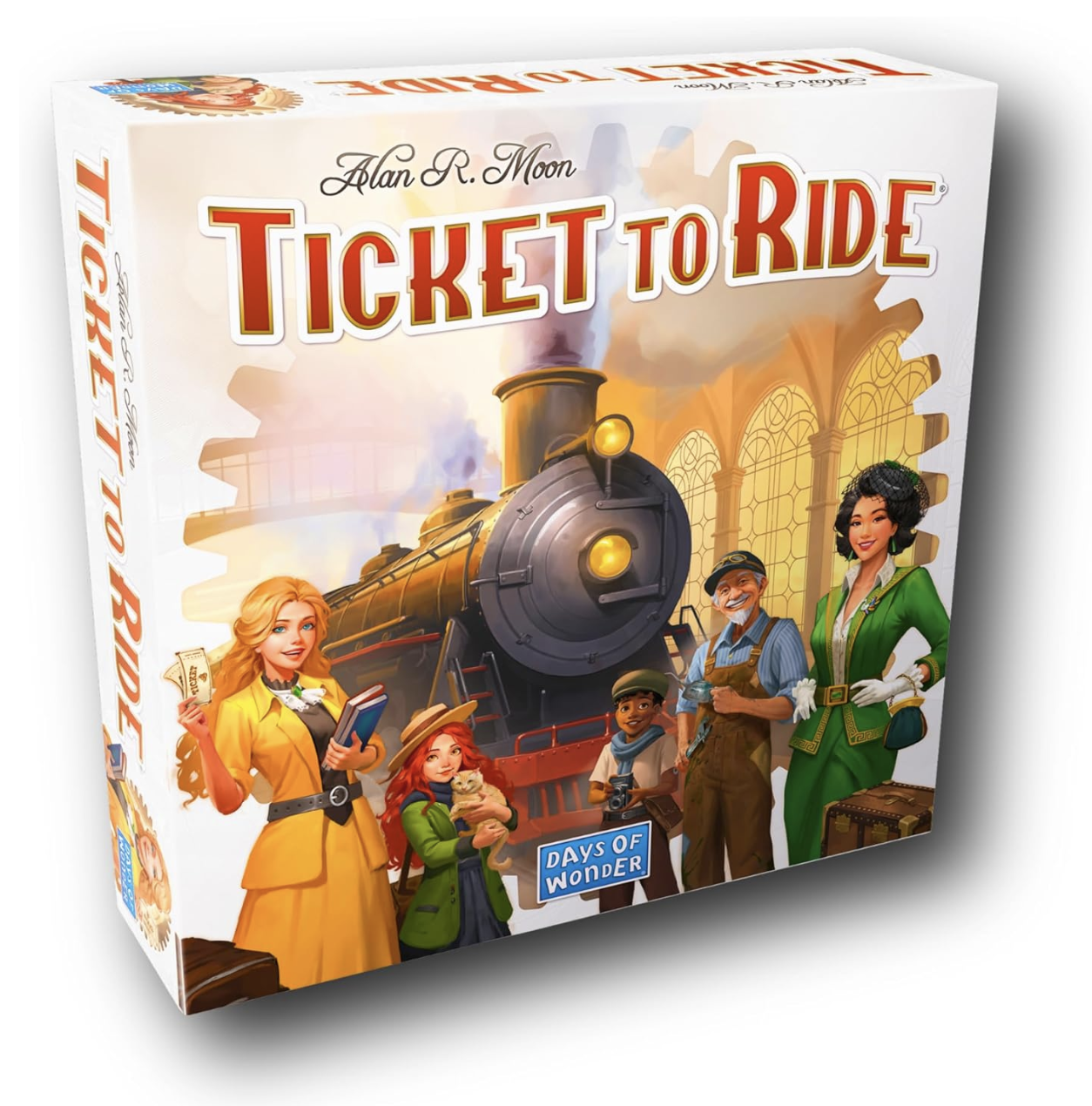

Ticket to Ride

1. Ticket to Ride

Everyone’s favorite train game. Build routes. Block your friends. Argue over who gets to Denver.
It’s intuitive, colorful, and just the right amount of competitive.

We played it once “for a quick game.” Three hours later, someone was muttering about revenge railroads. Worth it.

🎲 Guru Tip: New players love it because they can “get it” in one round. That’s gold for family night.
Grab the Game on Amazon


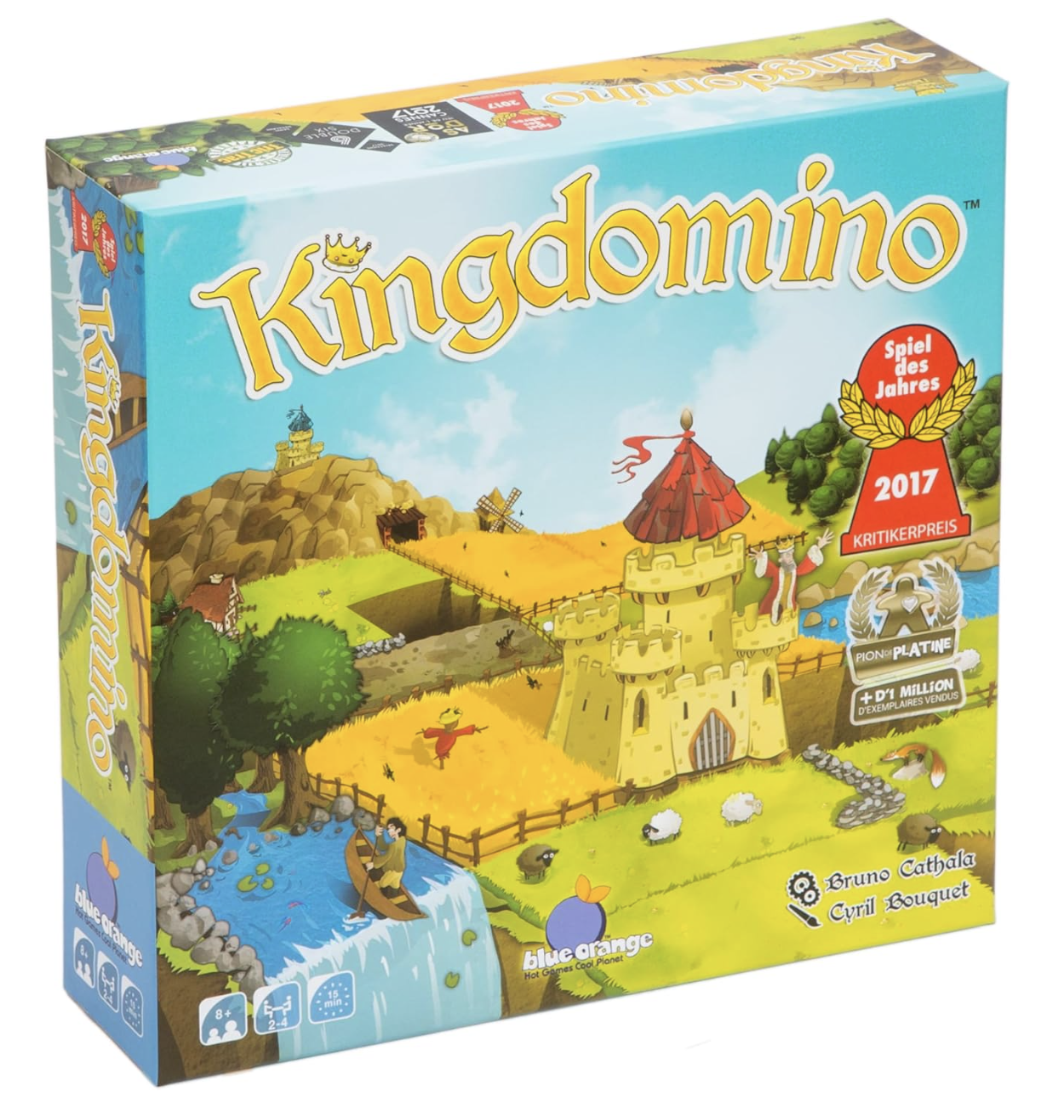
Kingdomino

2. Kingdomino

It’s dominoes, but make it medieval. Build your kingdom by matching tiles, connecting crowns, and praying your last piece fits.

It’s simple, smart, and sneaky. A great bridge between kids’ games and adult-level strategy.

🎲 Guru Tip: Try the two-player version for coffee-table gaming. Fast and surprisingly intense.
Grab the Game on Amazon


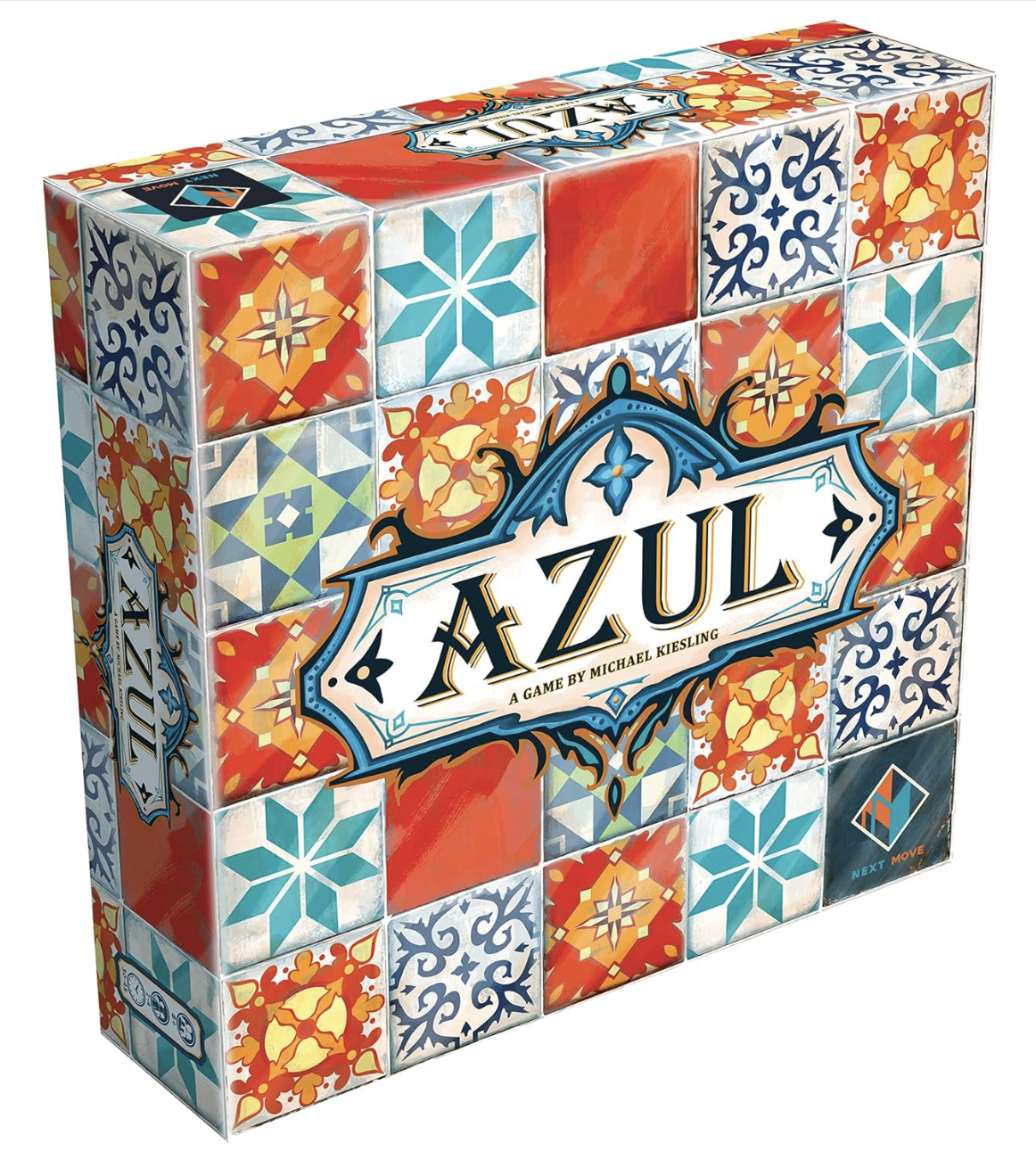
Azul

3. Azul

You’re decorating a wall with tiles. Sounds chill, right? Wrong. It’s cutthroat in the prettiest way possible.

Each turn feels calm … until someone takes the tile you needed. Then it’s war. Quiet, polite, decorative war.

🎲  Guru Tip: The tactile feel of this game? Chef’s kiss. You’ll find yourself stacking tiles even when it’s not your turn.
Grab the Game on Amazon


Carcassonne

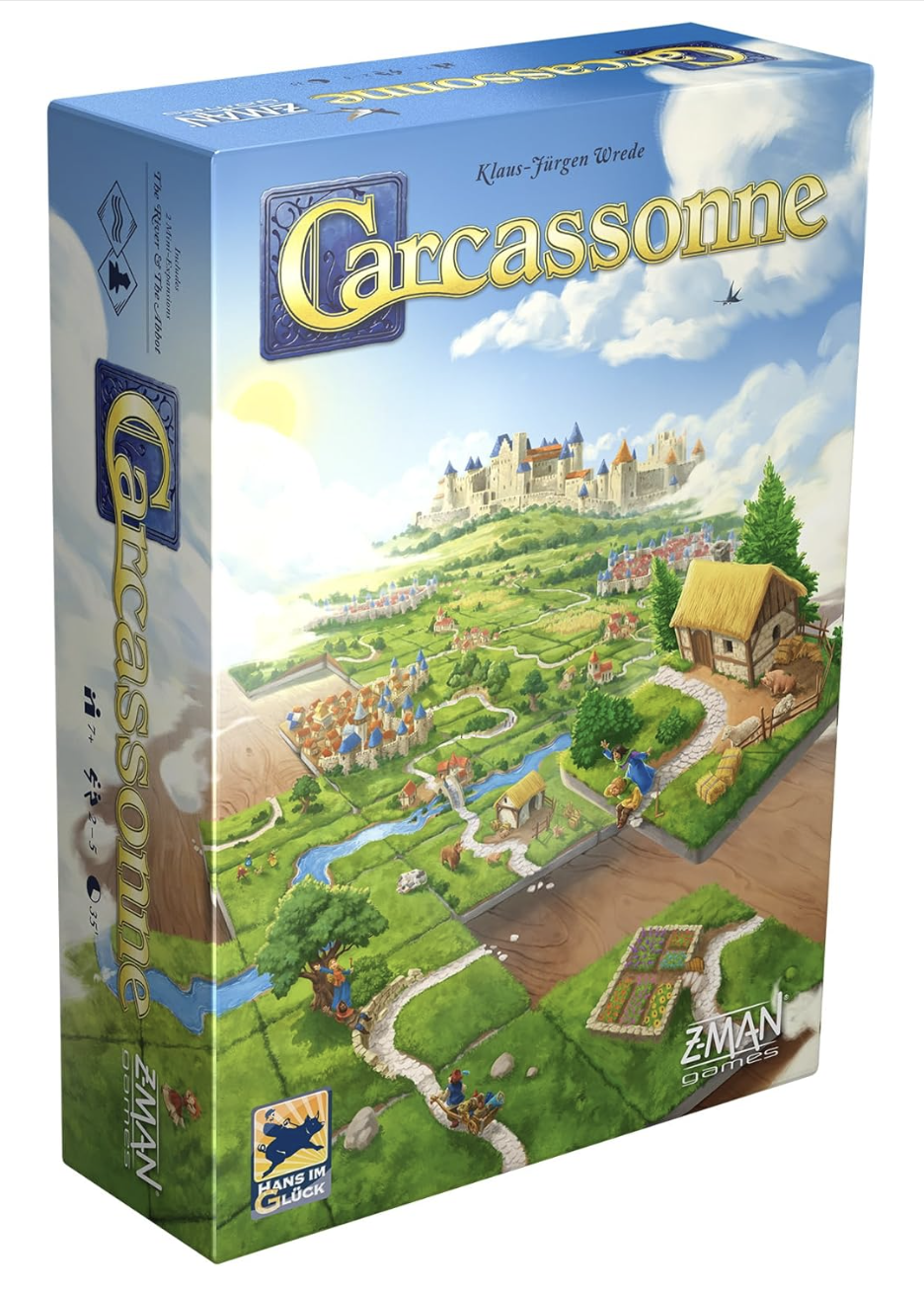
4. Carcassonne

Build cities, roads, and fields from little tiles. It’s the kind of game that starts peaceful and turns quietly competitive once the map fills up.

No fancy rules, just plenty of satisfying moments.

🎲  Guru Tip: Expand it later if you get hooked. There’s a whole world of versions to explore.
Grab the Game on Amazon


Sushi Go

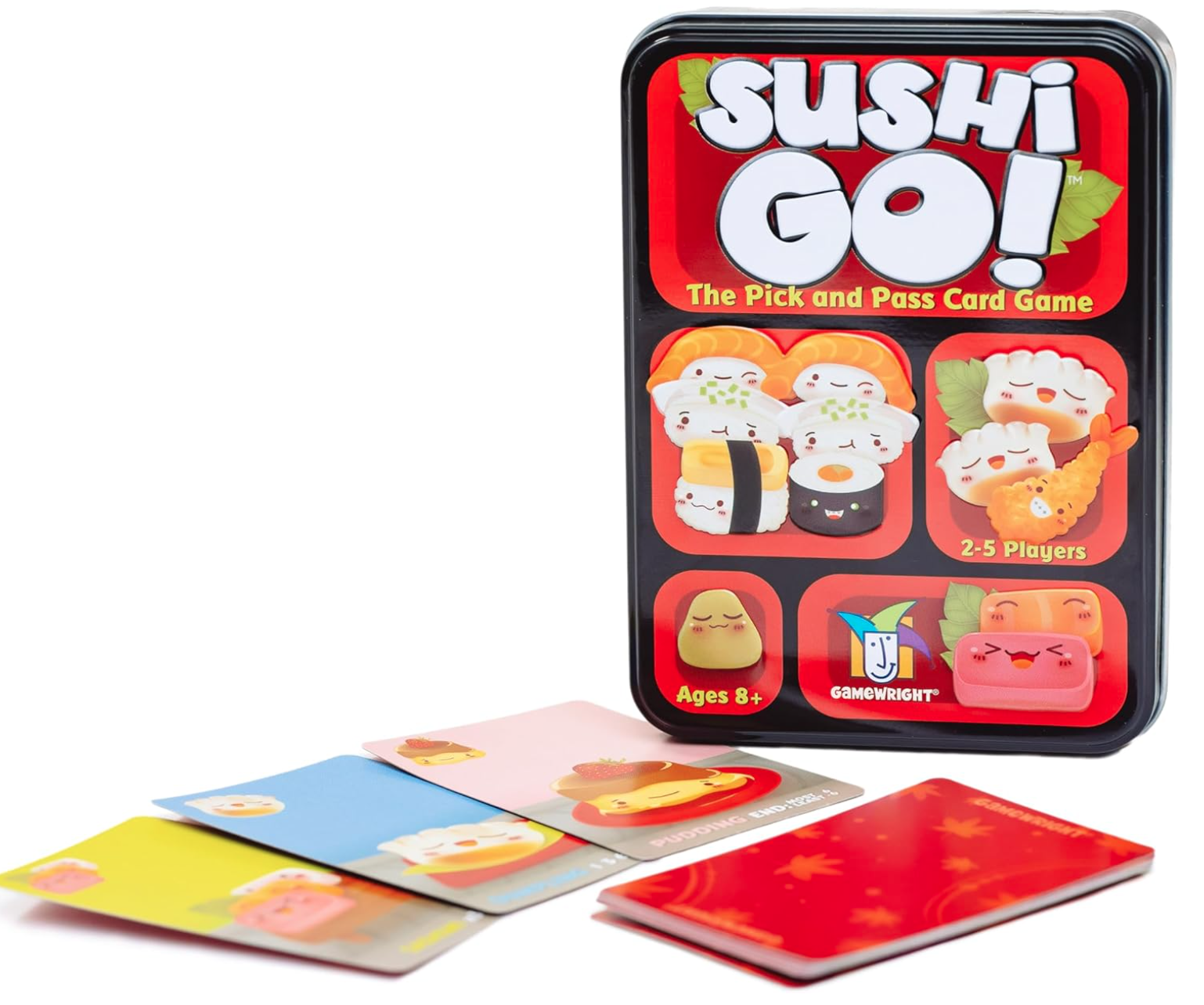
5. Sushi Go!

Pick a card, pass your hand, and collect adorable sushi combos for points. It’s fast, funny, and full of sneaky little strategies that make you feel clever.

Even better — it’s small enough to live in your bag for instant game night anywhere. We bring it with us on all road trips.

🎲  Guru Tip: Great warm-up before heavier games. Or for family nights when no one has the brainpower for Catan.

Grab the Game on Amazon


You don’t need a PhD in rulebooks to enjoy game night. Sometimes the best games are the ones that just click — where everyone’s in, laughing, and already asking for one more round.

That’s the magic of smart simplicity.

More from Tabletop Gurus

Continue reading

5 Easy Board Games You Can Teach in Under 10 Minutes

5 Easy Board Games You Can Teach in Under 10 Minutes

Short on time? These five board games are quick to teach, fast to play, and perfect for families or casual nights with friends.

5 Easy Board Games You Can Teach in Under 10 Minutes

You know that moment — you sit down, crack open a shiny new game, and then … it’s a 40-page rulebook. Suddenly, your evening turns into a “seminar on medieval wheat distribution.” Nobody has time for that.

So here are five games you can teach in under 10 minutes. Quick rules, quick fun, and nobody’s brain melts.

The Games


Sushi Go

1. Sushi Go!

Draft some sushi, pass the cards, score points. That’s it. First game takes five minutes, second game feels like you’ve been playing for years.

Grab the Game


Love Letter

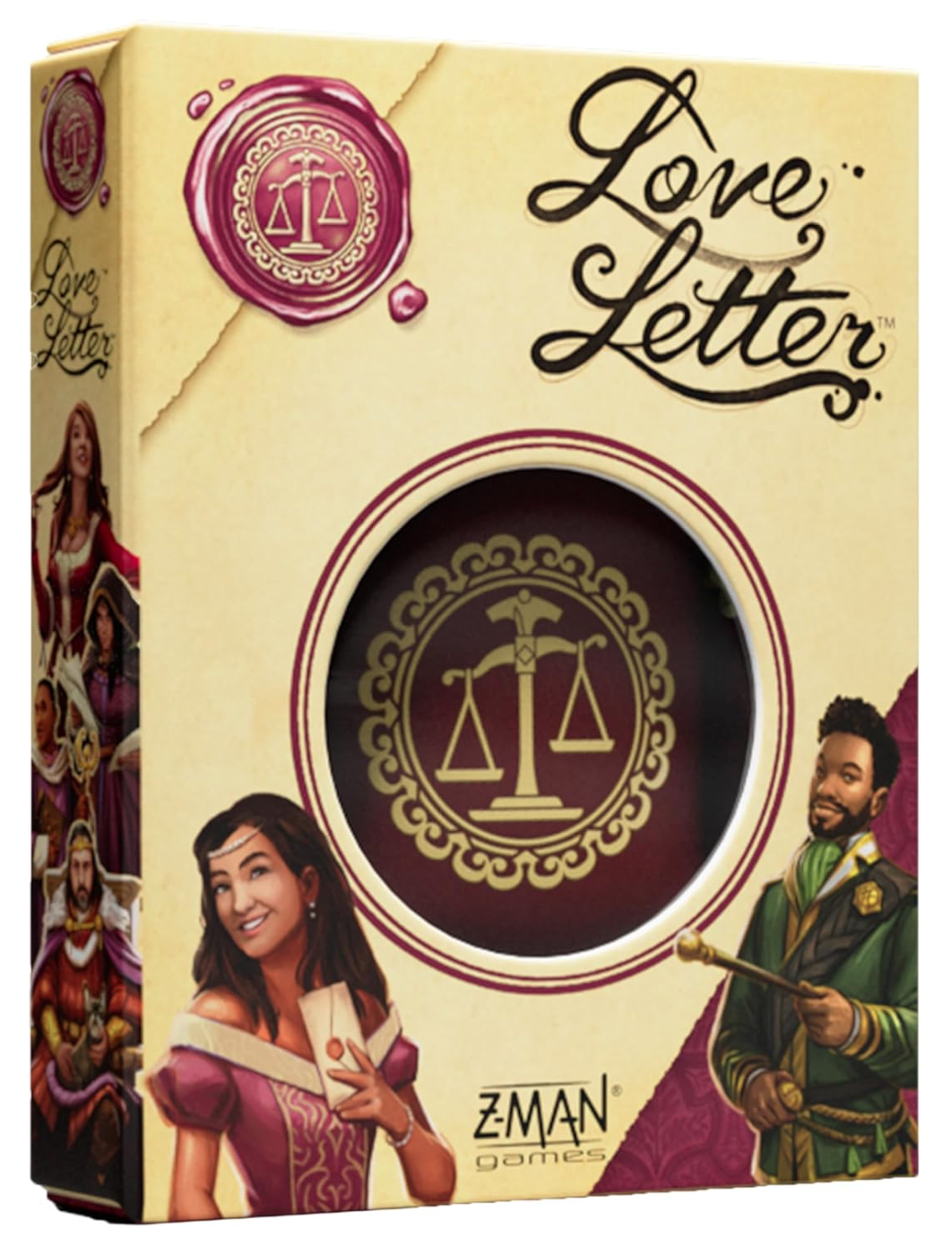
2. Love Letter

A tiny deck, a whole lot of bluffing. You’re just trying to get your love note to the princess. Or block someone else. Or lie badly.

Grab the Game


Skull

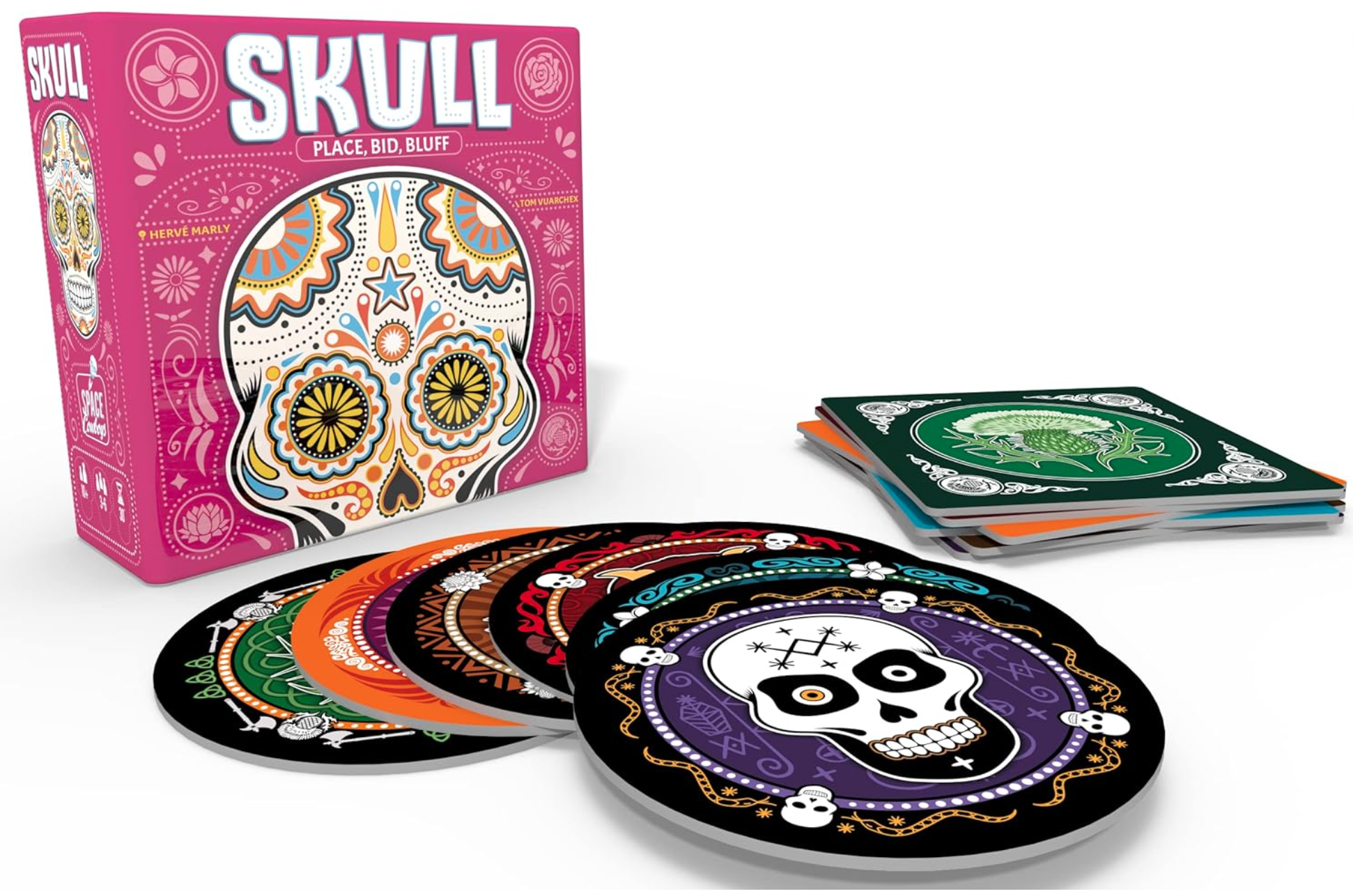
3. Skull

Flower or skull? Flip cards, bluff your friends, and prepare to lose to someone who can’t keep a straight face.

Grab the Game


Zombie Dice

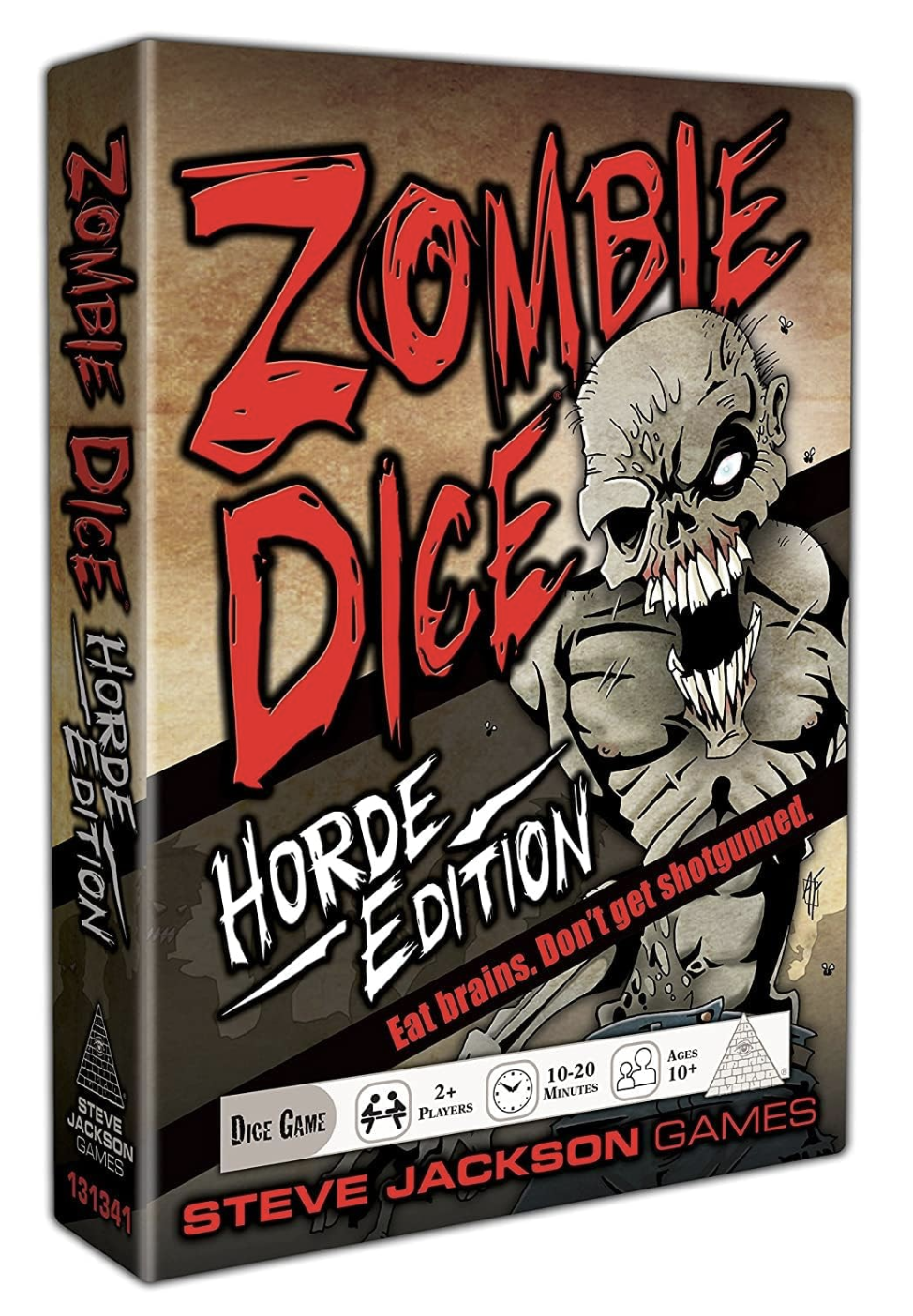
4. Zombie Dice

Roll dice, eat brains, avoid shotguns. Kids love it, adults get way too into it.

Grab the Game


For Sale

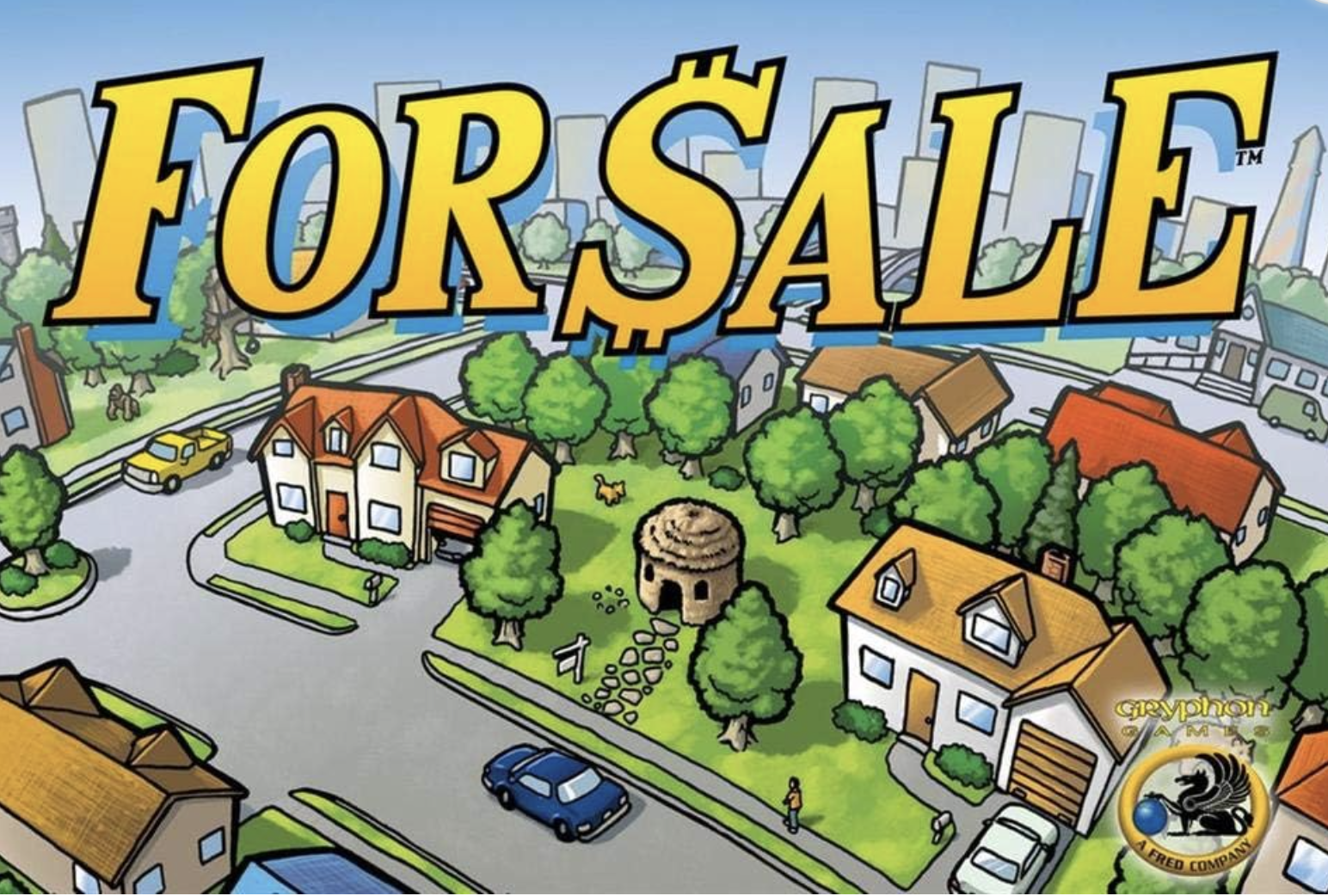
5. For Sale

It’s a fast-paced game of bidding and bluffing. It’s not how much you pay for your properties, it’s how much you sell them for.

Grab the Game


You don’t need a tome of rules or a lost weekend to go on an adventure. These games are short, sweet, and just epic enough.

More from Tabletop Gurus

Continue reading

Why Catan Was Our Gateway Game (and Why It Still Holds Up)

Why Catan Was Our Gateway Game (and Why It Still Holds Up)

Catan wasn’t just a game — it was the one that started it all. Here’s why this classic still deserves a spot at your table (and in your heart).

Everyone remembers their first real board game — not the ones with dice you could swallow, but the one that made you realize, oh, this can be fun.

For us, that game was Catan.

We didn’t know what to expect the first time we sat down. A map of hexagons. Little wooden houses. A pile of sheep cards. It looked complicated, but once we started playing, something clicked. Catan wasn’t just about luck or who went first. It was about making smart trades, spotting opportunities, and trying not to lose your mind when someone built a road exactly where you were going.

The gateway effect

Catan is famous for a reason. It bridges the gap between old-school roll-and-move games and the modern world of deep strategy. You don’t need to memorize a novel-length rulebook, but there’s enough complexity to make you feel clever when you win. You start to think two turns ahead. You start to plan. And suddenly, Monopoly feels like a kid’s toy.

That’s why so many gamers call Catan their “gateway game.” It opens the door to the broader world of modern tabletop gaming — strategy, resource management, friendly negotiation, all in one tight little package.

It’s social, not just strategic

What makes Catan great isn’t just the game itself — it’s the people around the table. You can’t play Catan in silence. You have to talk, trade, plead, and occasionally fake a smile when someone takes “your” longest road. The social element is what keeps it fresh. Every game feels different because every group plays differently. Some people negotiate like diplomats; others hoard resources out of spite. Both strategies work (sometimes).

It still holds up

Even after years of expansions, spinoffs, and copycats, Catan still deserves its spot on the shelf. It’s easy enough to teach to new players. It’s tense without being exhausting. And when you finally win by trading a single sheep for the last piece you need, it feels earned.
That’s the mark of a great design. It keeps you coming back long after the novelty wears off.

When you’re ready for more

If Catan hooked you, you’re not alone. It’s the reason a lot of us started exploring games like Carcassonne, Ticket to Ride, or Wingspan. Each one builds on what Catan started: smart, interactive, thoughtful gameplay that feels rewarding no matter your skill level.

Why we still play it

Even now, after years of new releases, we still break out Catan from time to time. It’s familiar. It’s comfortable. It’s that game you can always count on when you’re introducing someone new to the hobby. And honestly? Watching a first-time player light up when they figure it out, that’s the best part. It’s like seeing your own gaming journey begin all over again.

More from Tabletop Gurus

Continue reading

Fantasy Board Games That Aren’t a Four-Hour Life Commitment

Fantasy Board Games That Aren’t a 4-Hour Life Commitment

Fantasy

Look, I love dragons, quests, and the occasional dramatic cape as much as the next nerd. But sometimes? I just don’t have four hours and a gallon of coffee to dedicate to a game. With little kids in the mix, I need something that feels epic but won’t leave us explaining rules until bedtime. These games hit the sweet spot: fantasy fun, under an hour, and zero headaches.

Our “No Brain Drain” Rules:

  • Setup in under 10 minutes (because kids have no chill)
  • Playtime under 60 minutes
  • Still feels magical, not math homework

The Games


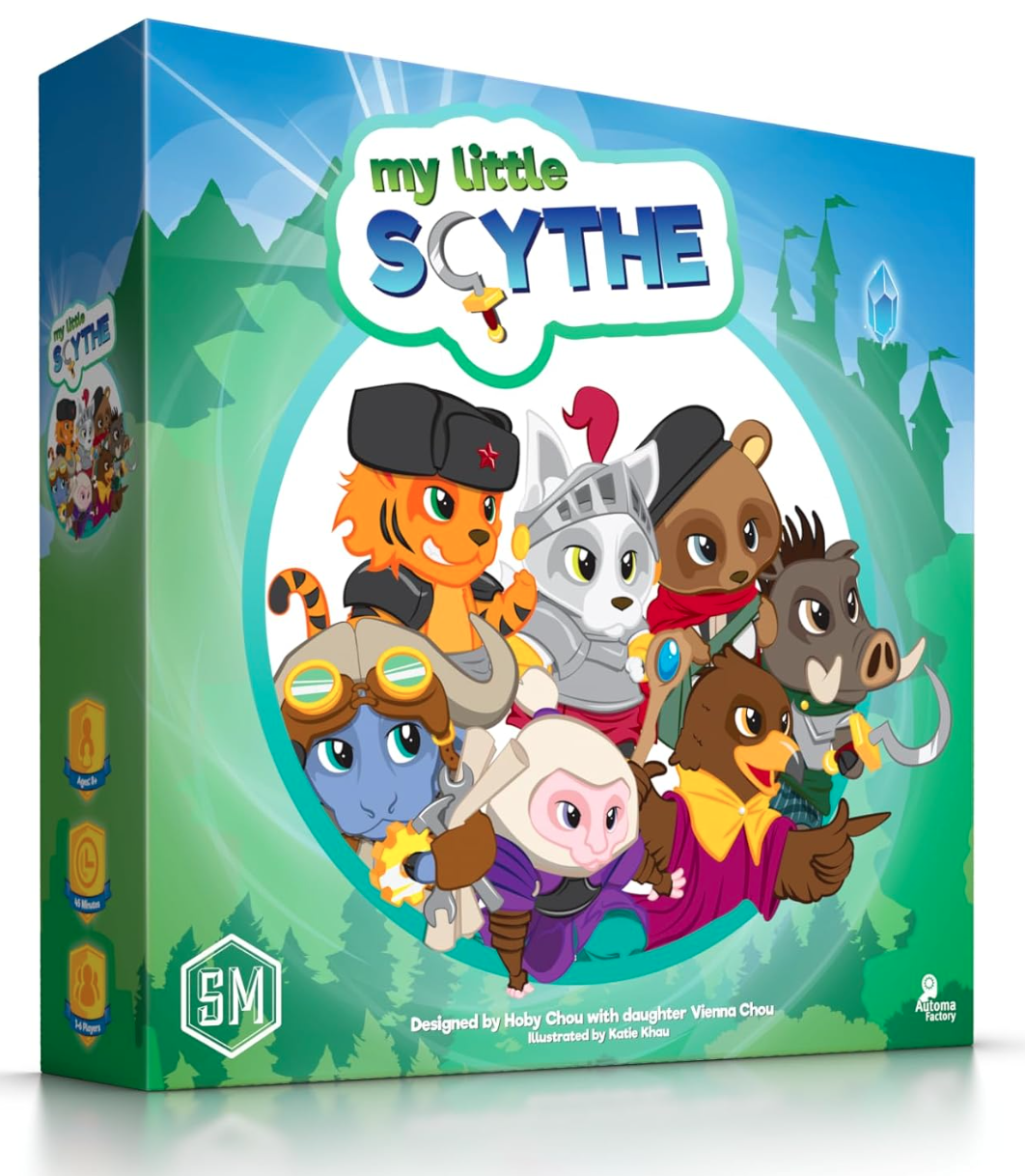
My Little Scythe

1. My Little Scythe

Yes, it’s the adorable, family-friendly cousin of Scythe. Think colorful animal minis, pie fights (literally), and little quests that feel like adventures without being overwhelming. 

Grab the Game


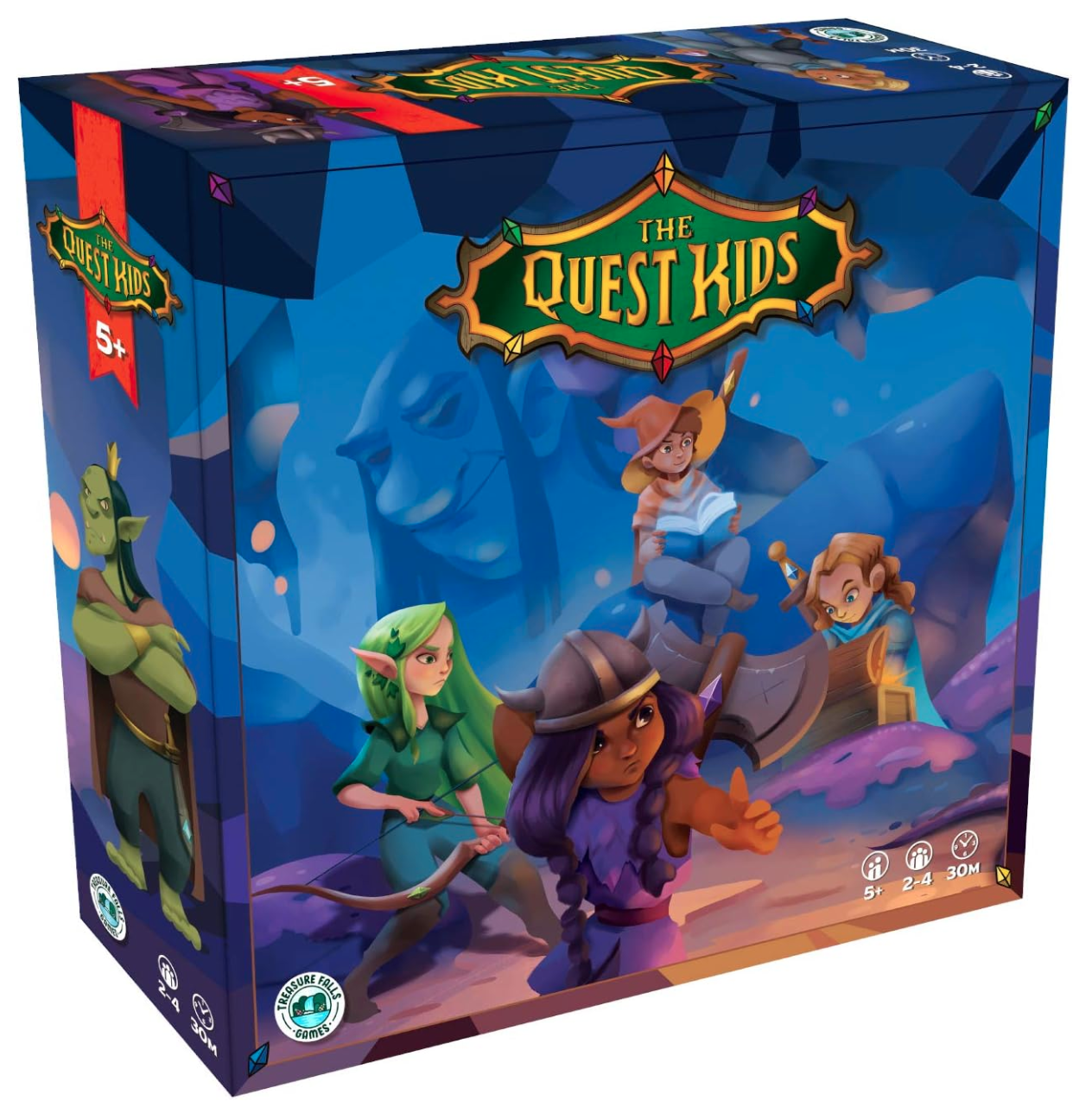
The Quest Kids

2. The Quest Kids

This one’s technically for kids, but here’s the thing — I found myself still playing after bedtime. It’s a dungeon crawl where you flip over cards, fight baddies, and collect treasures. I love that it scratches my old-school D&D itch without a spreadsheet.

Grab the Game


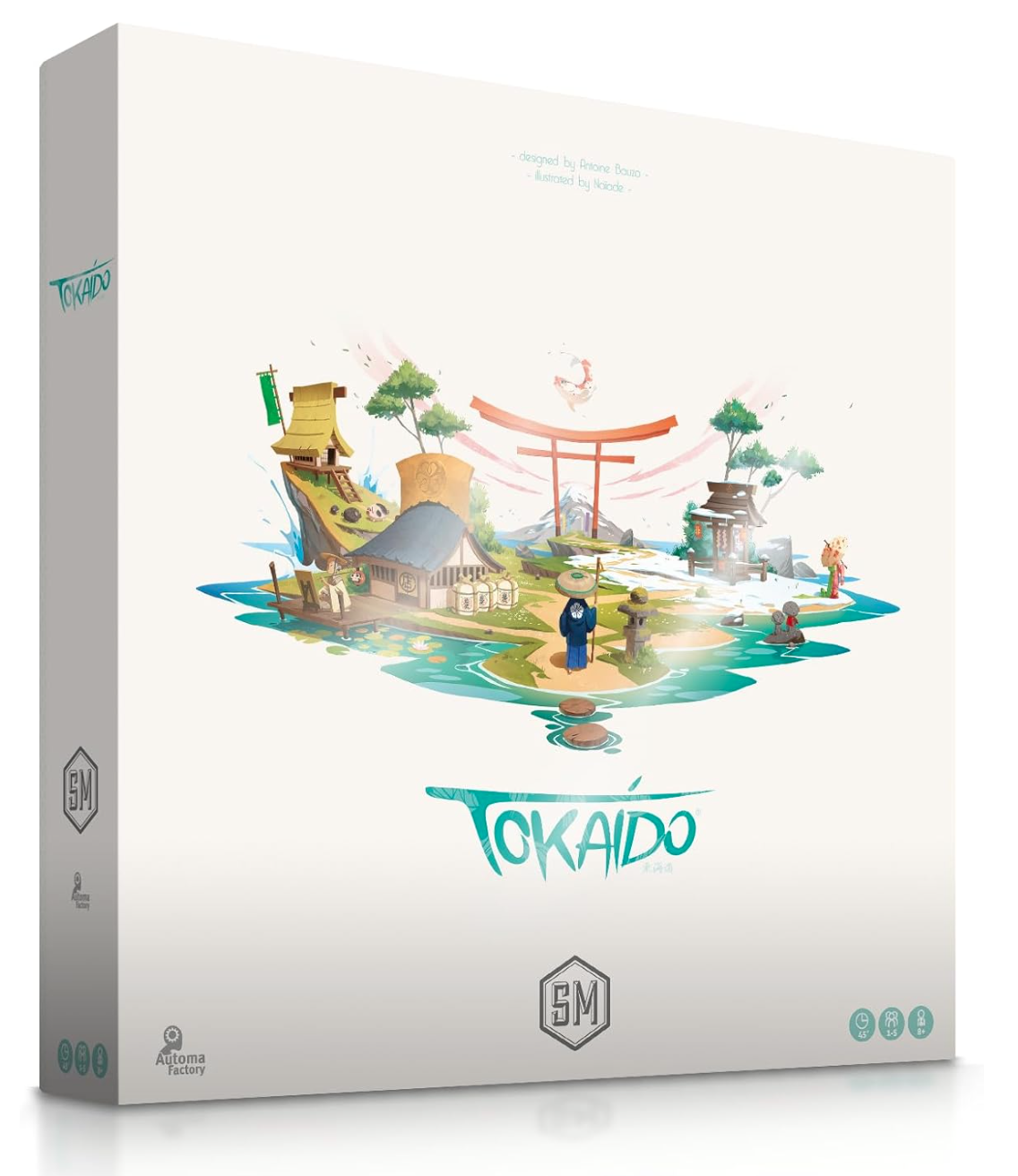
Tokaido

3. Tokaido

Okay, not technically swords-and-sorcery, but it’s got that dreamy, storybook vibe. You’re traveling across Japan, collecting experiences like hot springs and delicious meals. It’s chill, beautiful, and feels like a vacation compared to most fantasy games. 

Grab the Game


You don’t need a tome of rules or a lost weekend to go on an adventure. These games are short, sweet, and just epic enough.

More from Tabletop Gurus

Continue reading

Learning Games That Don’t Feel Like Homework

Learning Games That Don’t Feel Like Homework

Learning Games

Okay, so here’s the deal. Nobody, and I mean nobdy, wants to sit through one of those “educational” games that feel like you just plopped a worksheet on the table. Kids are smart. They can sniff that out instantly. What you want are games that sneak in a little math, memory, or problem-solving while still being fun enough that you actually enjoy playing too. These are the ones that pass the “my 4-year-old asks for them again and again” test.

The Games

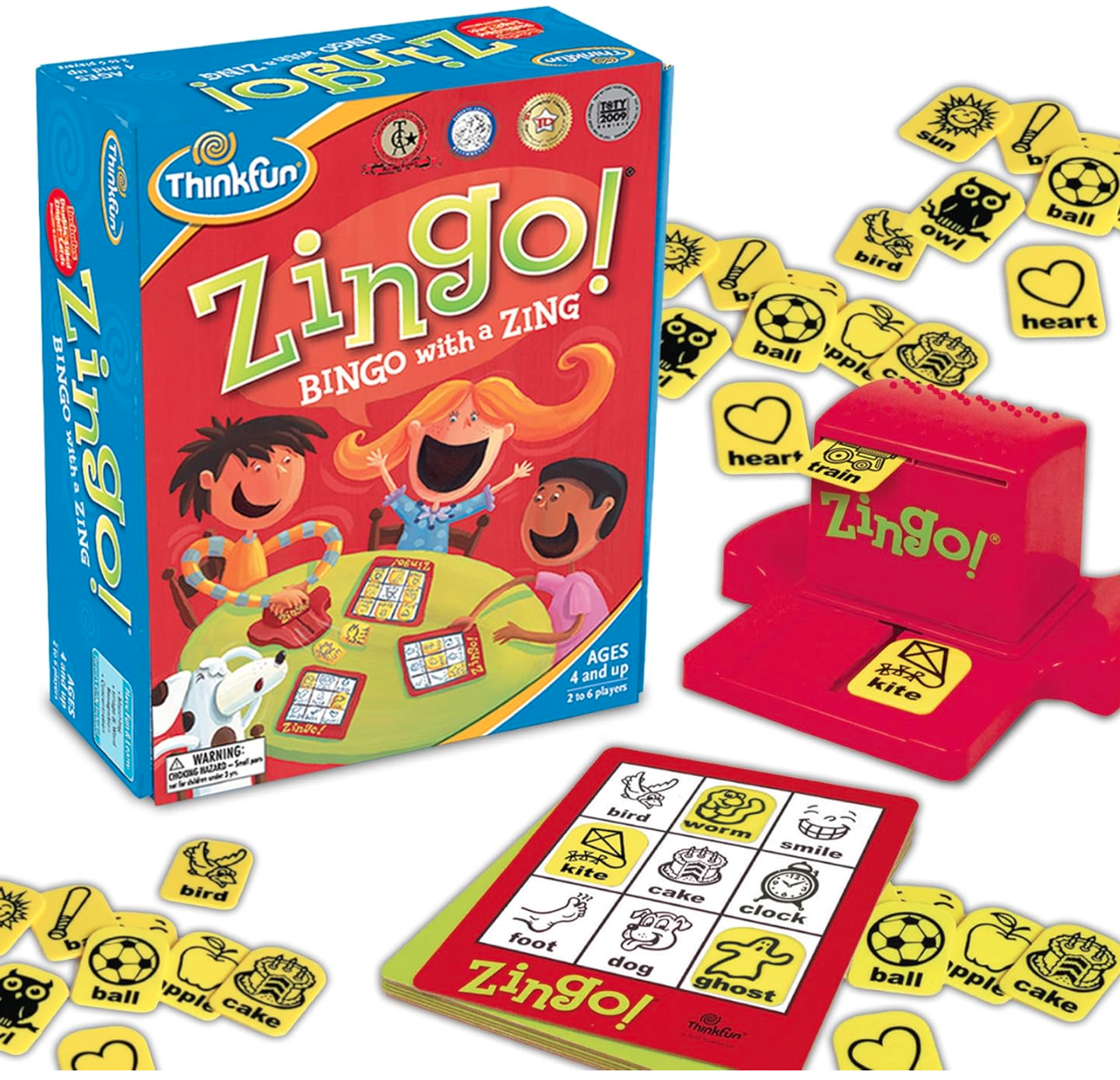
Zingo

1. Zingo!

This one’s basically Bingo, but it’s faster, louder, and way more competitive than you’d ever expect. My kid smacks that tile dispenser like it’s a slot machine in Vegas, and honestly, I kinda get into it too. Reading, picture recognition, memory — it’s all baked in, but no one notices because we’re too busy yelling “Zingo!” at each other.

Grab the Game


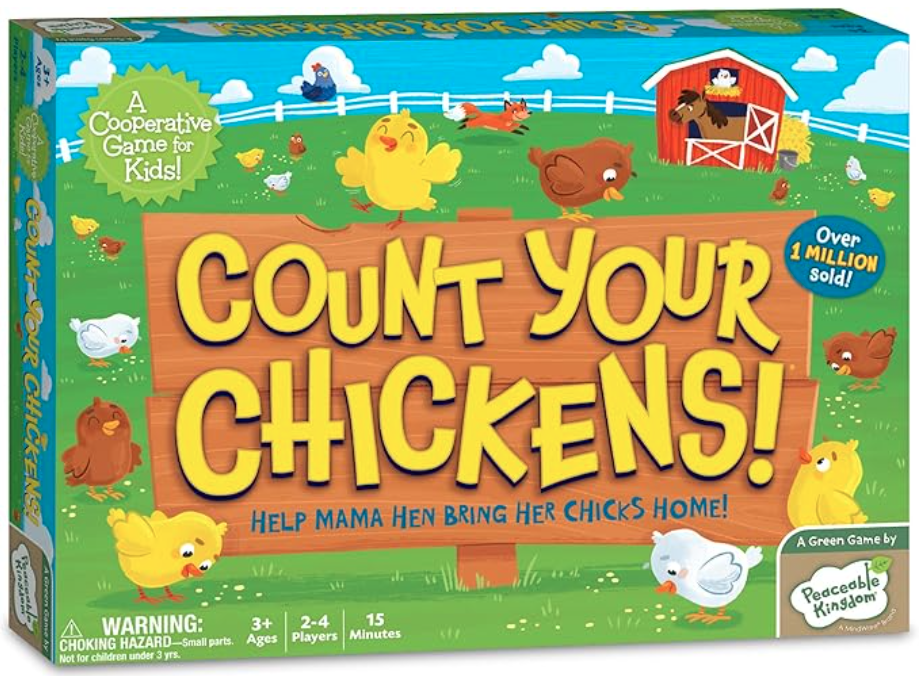
Count Your Chickens

2. Count Your Chickens

Picture this: baby chicks escaping the coop, and everyone has to work together to bring them back. It’s cooperative, which means no tears when someone “loses” because, well, we all either win or lose together. And the counting practice? Totally natural. Your kid will cheer every time you move a chick, which will be adorable the first 20 times, and then still kinda adorable after that.

Grab the Game


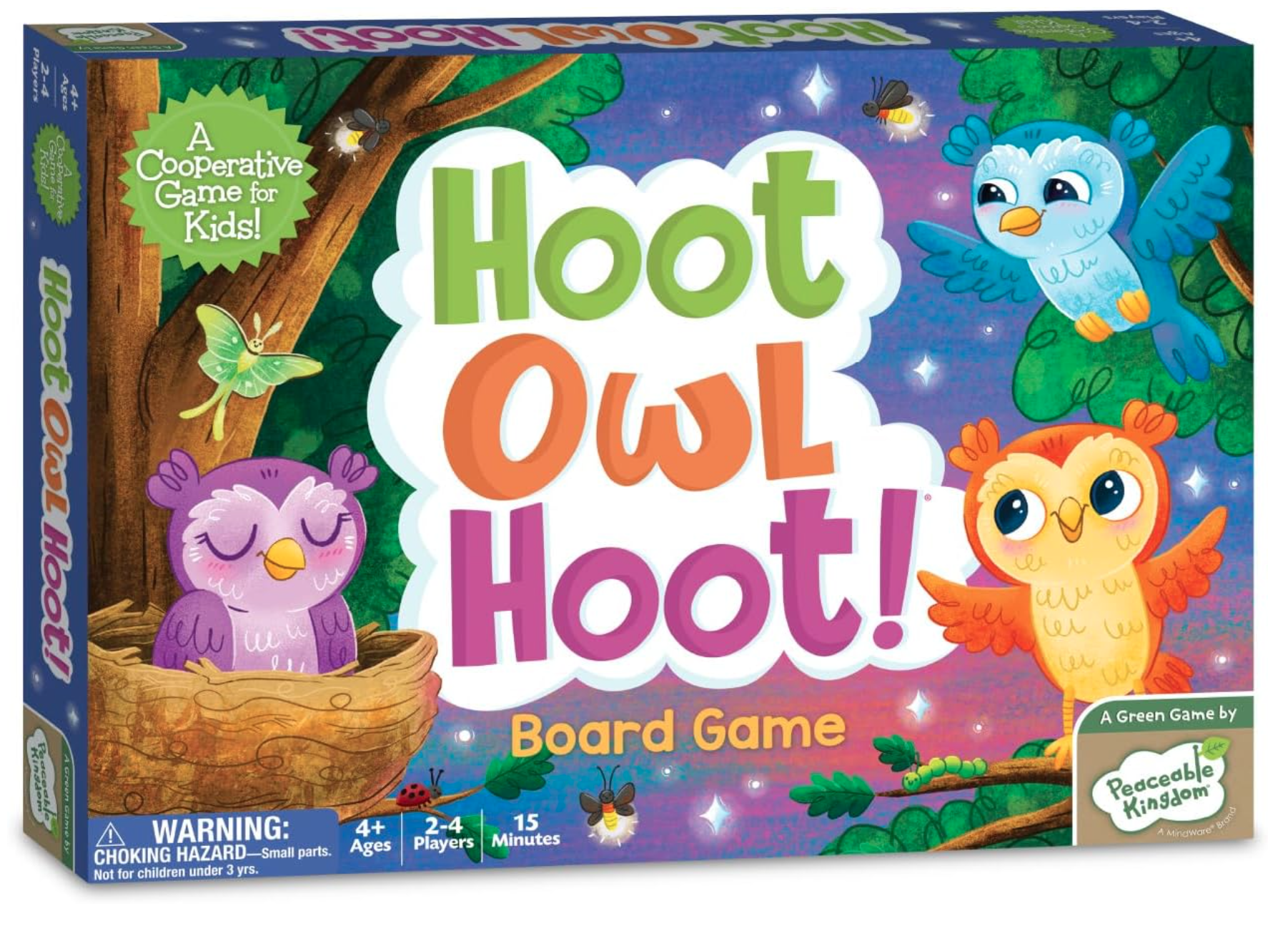
Hoot Owl Hoot

3. Hoot Owl Hoot

This one is genius. You’re working together to get owls back to their nest before the sun rises. It’s color-matching and strategy rolled into one. Your kid will want to flap their arms and hoot every time you move an owl, and let me tell you, it never stops being funny. Bonus: it teaches patience and planning without anyone melting down.

Grab the Game


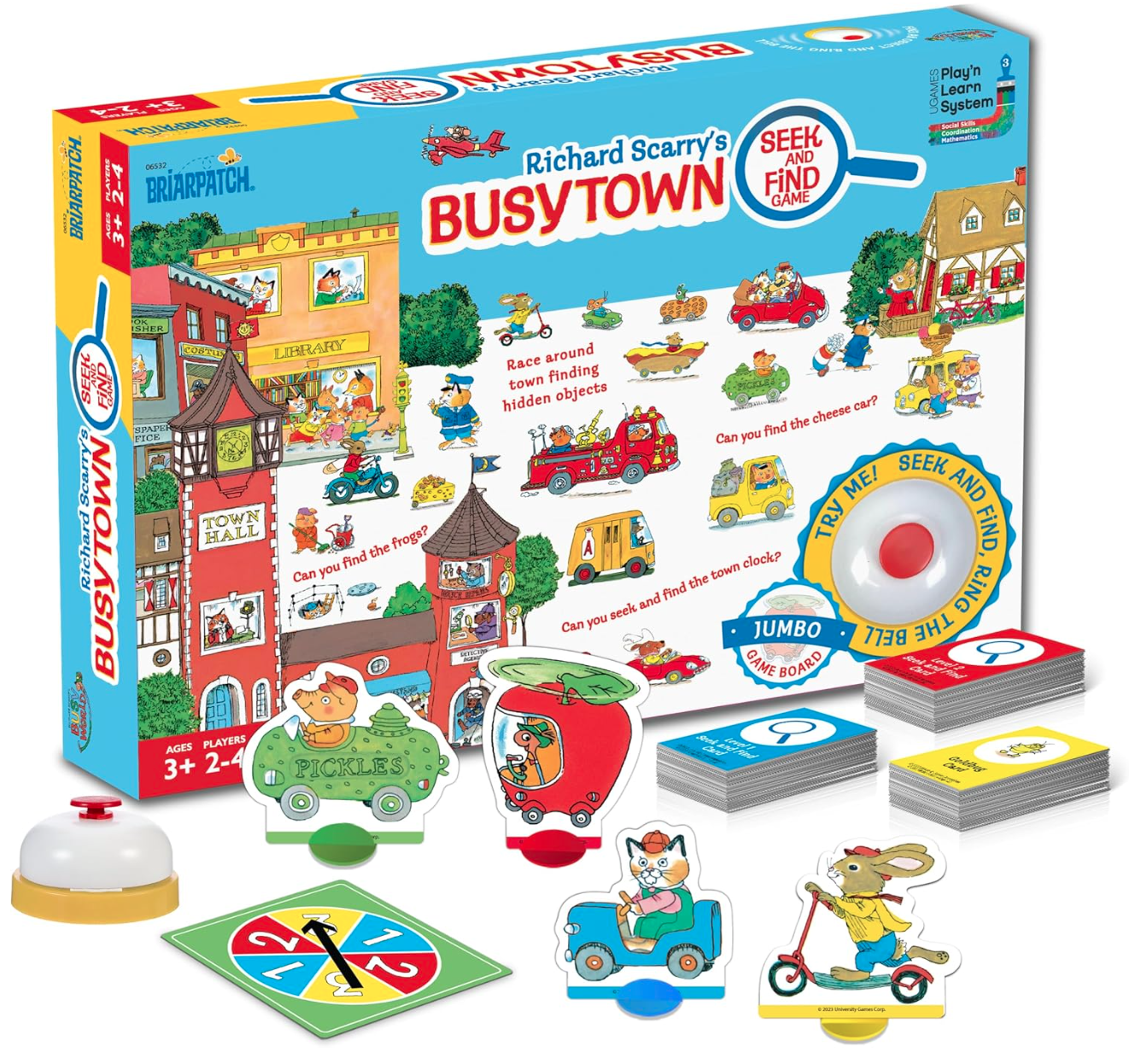
Richard Scarry's Busytown Seek and Find Game

4. Richard Scarry’s Busytown Seek and Find Game

This board is HUGE. Like, takes-up-the-whole-table huge. And it’s basically a giant seek-and-find adventure. You flip a card, then everyone’s scrambling to spot what’s on it before the timer runs out. I mean, it’s chaos — in the best way. You know how kids love pointing out random things? This game harnesses that and actually makes it structured.

Grab the Game


SEQUENCE for Kids

5. SEQUENCE for Kids

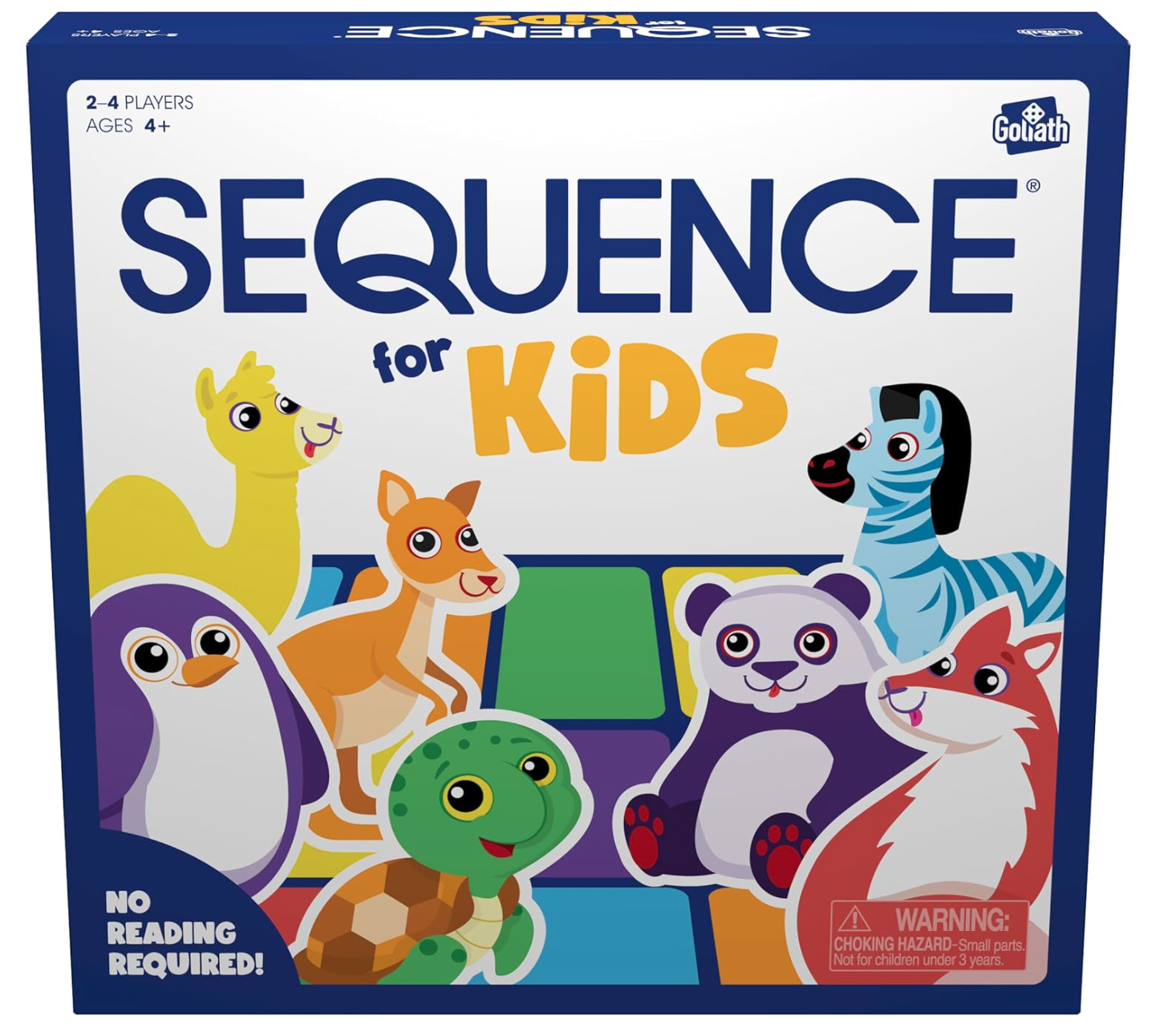
So this one looks super simple — animal cards and a board — but it sneaks in strategy. Your kid won’t even realize they’re planning moves ahead, but they are. And I’ll admit, I’ve lost to a little more than once. It’s humbling, but hey, at least I can say I’m “building their critical thinking skills.”

Grab the Game

More from Tabletop Gurus

Continue reading

The Timeless Appeal of Classic Board Games

The Timeless Appeal of Classic Board Games

Board games have been a cornerstone of social entertainment for centuries, transcending cultures and generations. From the ancient sands of Egypt to modern living rooms around the world, these games have not only provided fun but also educational value. Let’s take a delightful journey through some of the most iconic classic board games and explore what makes them timeless treasures.

Chess: The Game of Kings

Chess, often called the “Game of Kings,” boasts a rich history spanning over 1500 years. Originating in India under the name Chaturanga, the game made its way through Persia, where it was known as Shatranj, before finally reaching Europe during the Middle Ages. The evolution of chess continued, and by the 15th century in Spain, the rules were standardized into the modern form we know today.

Beyond its historical journey, chess is celebrated for its profound educational value. The game is renowned for enhancing strategic thinking and problem-solving skills, as each move requires meticulous consideration of potential outcomes, fostering forward-thinking and planning abilities. Recognizing these benefits, schools worldwide have integrated chess into their curriculums to aid in developing critical thinking skills among students. Interestingly, the word “checkmate” comes from the Persian phrase “Shah Mat,” meaning “the king is helpless,” a fitting testament to the strategic depth and cultural heritage of this timeless game.

Monopoly: The Capitalist’s Playground

Monopoly, created by Charles Darrow during the Great Depression, was originally called “The Landlord’s Game” and aimed to illustrate the consequences of land monopolism. Its engaging gameplay and relatable themes quickly made it a household favorite, encapsulating the highs and lows of capitalism. Over the years, it has become a cultural icon, representing the competitive nature of property ownership and financial success.

Monopoly, beyond being a source of entertainment, serves as a practical educational tool. It imparts valuable skills to players, such as money management, investment, and negotiation. Through its gameplay, it introduces crucial concepts like property ownership, taxation, and financial planning in a manner that is both informative and engaging. A fascinating fact that underscores its enduring appeal is that the longest game of Monopoly ever played lasted for a staggering 70 straight days, a testament to the game’s ability to hold players’ interest for extended periods.

Scrabble: The Wordsmith’s Delight

Scrabble, invented in 1938 by architect Alfred Butts during the Great Depression, began its journey under the name “Lexiko.” The game ingeniously combined elements of anagrams with a scoring system based on the frequency of letters in the English language. Over time, it evolved into the beloved word game known today, captivating millions with its unique blend of strategy and language skills.

Beyond its rich history, Scrabble serves as an excellent educational tool, helping to improve vocabulary and spelling skills. It encourages players to think creatively about word formation and recognize letter patterns, making it a fun and competitive way to enhance language learning. Schools often incorporate Scrabble into their curriculums to engage students in a dynamic and interactive manner. A fascinating fact about the game is that the highest-scoring word ever played in Scrabble is “caziques,” which earned a staggering 392 points, demonstrating the depth and potential of this classic board game.

The Game of Life: A Journey Through Choices

The Game of Life, originally called “The Checkered Game of Life,” was created by Milton Bradley in 1860. This classic board game simulates a person’s journey through life, starting from college and progressing to retirement, with various life choices influencing the outcome. Over the years, it has become a beloved staple in many households, capturing the essence of life’s unpredictable journey and the importance of decision-making.

Beyond its entertainment value, The Game of Life offers educational insights into the decision-making process and the consequences of those decisions. It covers critical aspects of life such as career choices, financial management, and family planning, providing young players with a controlled environment to explore real-life scenarios. Interestingly, in the original version, players could end up in a “Poor Farm” or achieve a “Happy Old Age,” reflecting the diverse possible outcomes of one’s choices and adding a layer of historical context to the game.

Clue: The Mystery Unveiled

Clue, known as Cluedo in the UK, was devised by Anthony Pratt during World War II. Inspired by murder mystery parties, it quickly gained popularity for its engaging whodunit format. The game invites players to step into the shoes of detectives, trying to solve the mystery of who committed the murder, with what weapon, and in which room. Its immersive and suspenseful gameplay has made it a beloved classic worldwide.

Beyond its entertainment value, Clue offers significant educational benefits by sharpening deductive reasoning and logical thinking. Players must gather clues, eliminate suspects, and piece together information to solve the mystery, thereby honing their analytical skills. An interesting tidbit about Clue is that the original game included a gun room, which was later replaced by more familiar locations like the conservatory and the library, reflecting its evolution over time to maintain relevance and engagement.

Backgammon: The Ancient Duel

Backgammon is one of the oldest known board games, with roots tracing back nearly 5,000 years to Mesopotamia. Its enduring popularity has allowed it to be played across various cultures, each adding their unique twists to the game. This ancient game has stood the test of time, evolving and adapting while maintaining its core strategic elements that continue to captivate players worldwide.

Beyond its rich history, Backgammon offers significant educational value, particularly in developing strategic planning and probability skills. Players must balance risk and reward, making decisions based on the roll of the dice while planning several moves ahead. An interesting fact about Backgammon is that the oldest known set was found in the Burnt City, an archaeological site in Iran, highlighting the game’s ancient origins and long-lasting appeal.


Classic board games are more than just pastimes; they are rich with history and educational value. From sharpening strategic thinking and enhancing vocabulary to teaching financial management and logical deduction, these games offer timeless lessons wrapped in fun and engaging formats. Next time you gather around a board game, remember that you’re partaking in a tradition that has brought joy and learning to countless generations. Happy gaming!

Continue reading

Board Game Overview: Wingspan

Board Game Overview: Wingspan

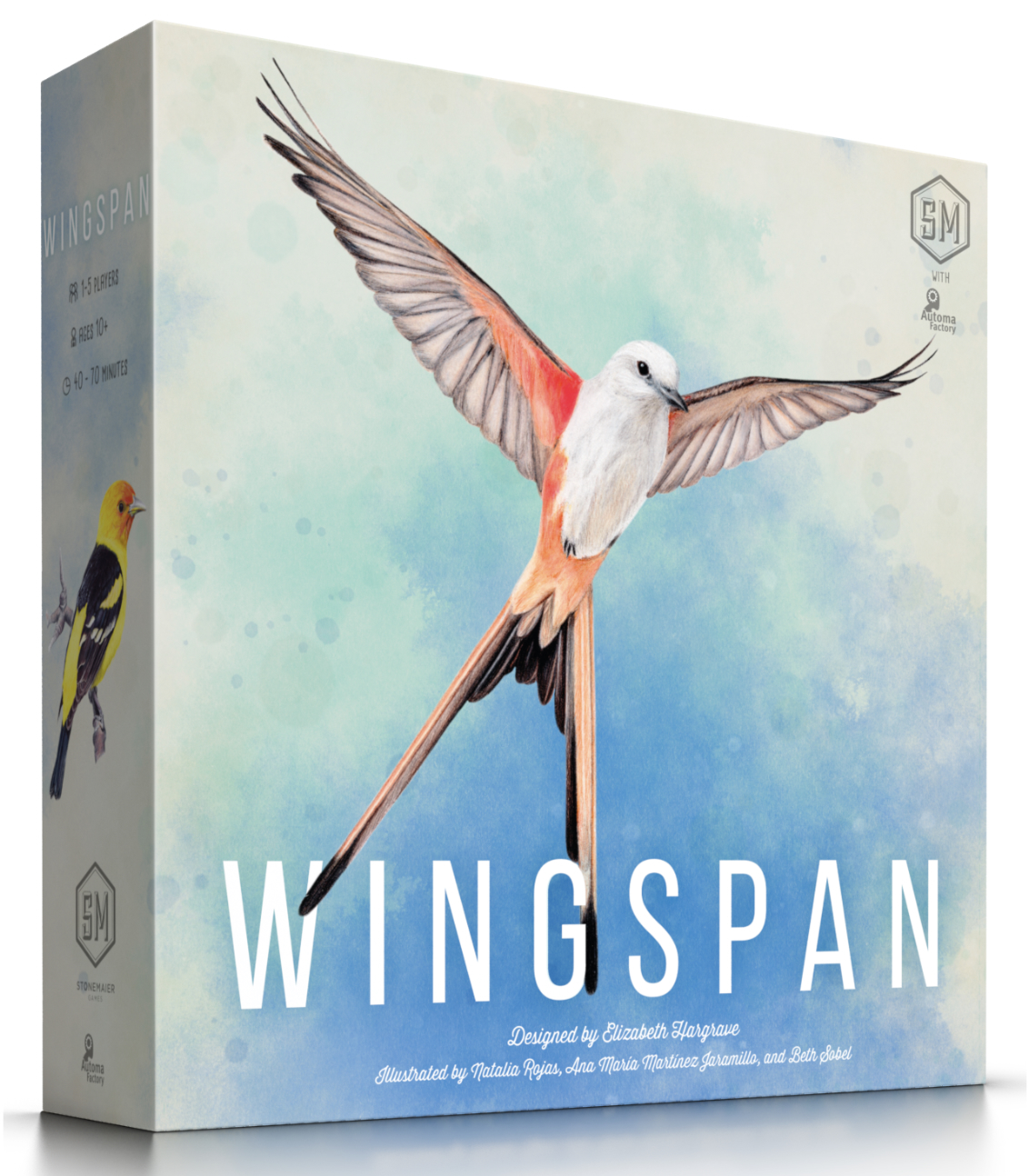
Cover of game box. Blue sky and red and white bird with wings expanded. The word Wingspan is across the box.

“Wingspan” is an award-winning strategy board game designed by Elizabeth Hargrave and published by Stonemaier Games. Released in 2019, the game has gained widespread acclaim for its unique theme, elegant mechanics, and captivating gameplay. In “Wingspan,” players assume the roles of bird enthusiasts, competing to attract and care for a variety of bird species in their avian habitats.

Game Components:

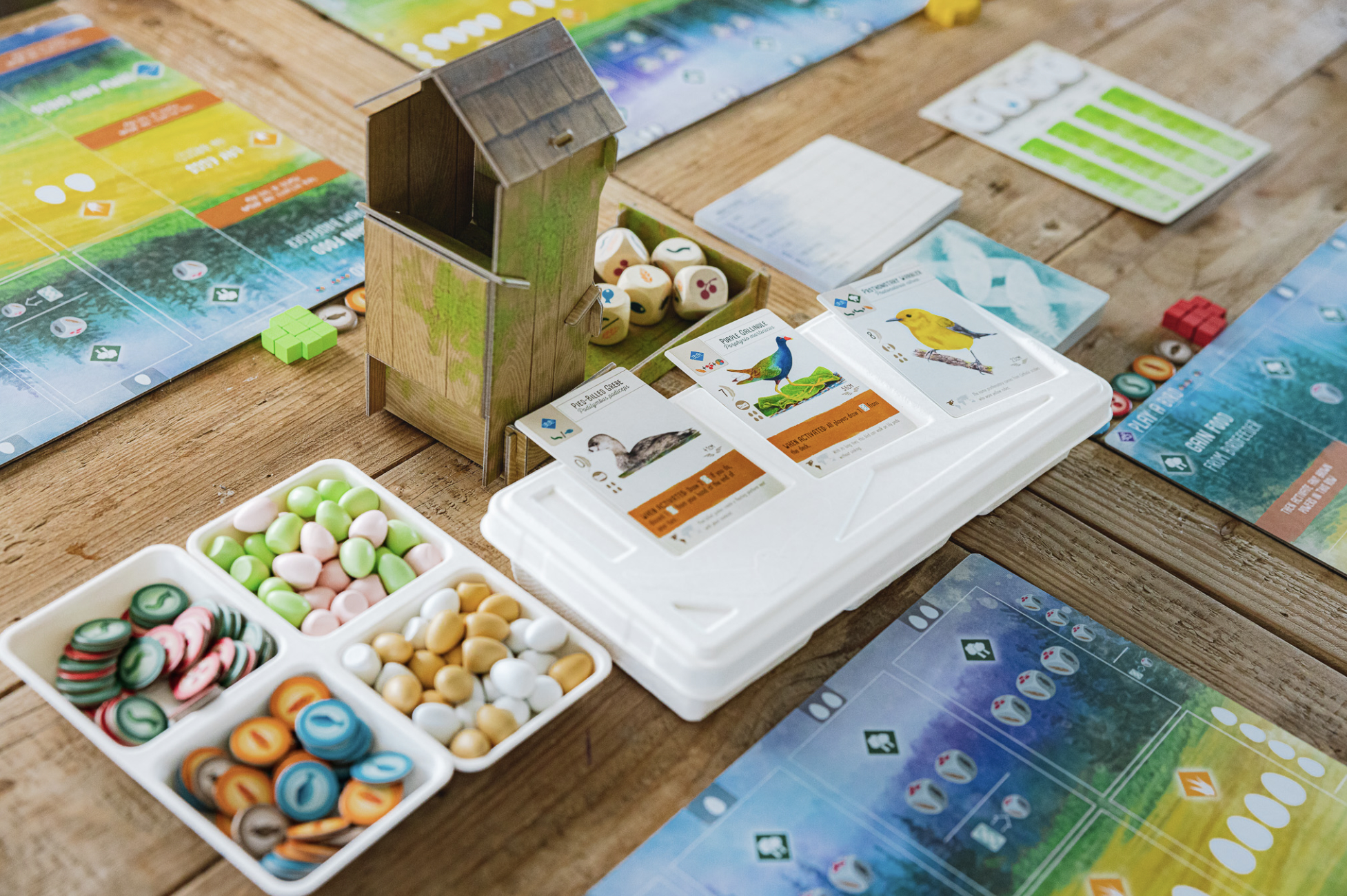
The game comes with a visually stunning assortment of components, including bird cards featuring beautifully illustrated species, player mats representing different habitats, wooden dice, food tokens, eggs, and action cubes. The artwork and attention to detail in the game’s design contribute to its overall immersive experience.

Gameplay:

“Wingspan” focuses on resource management, engine-building, and strategic card play. Each player begins the game with a player mat representing a specific habitat (grassland, forest, or wetland) and a set of initial bird cards. The goal is to build a diverse and efficient ecosystem by attracting birds with varying abilities and attributes.

Attracting Birds:

Players take turns performing actions such as drawing bird cards, playing birds to their habitats, gaining food, laying eggs, and activating bird abilities. Bird cards are placed on the player mat to create a tableau, with each bird contributing to the player’s unique engine. Birds have distinct abilities that interact with other cards and resources, allowing players to create synergistic combinations for points and benefits.

Eggs and Food:

Eggs serve as a form of currency, used for various actions and scoring at the end of the game. Players must manage their egg supply carefully. Additionally, food tokens are collected to activate birds’ abilities and to help birds reproduce.

End-of-Round and Scoring:

The game is played over four rounds, each representing a season. At the end of each round, players score points based on the number of eggs laid, birds with specific abilities, and achievements completed. The player with the most points at the end of the fourth round wins.

Variety and Replayability:

One of the game’s strengths is its vast array of bird species, each with unique abilities, art, and flavor text that provides interesting facts about the birds. With different bird cards, abilities, and strategies to explore, “Wingspan” offers high replayability as players experiment with various combinations and approaches.

Expansion and Community:

“Wingspan” has also been expanded with additional content, including expansions that introduce new bird species, player mats, and mechanics, enhancing the game’s depth and complexity. The game has garnered a strong and passionate community of players, with online resources, tournaments, and discussion groups dedicated to sharing strategies and experiences.

The Bottom Line:

“Wingspan” is celebrated for its harmonious blend of engaging gameplay, educational value, and thematic beauty. With its emphasis on strategic decision-making, elegant mechanics, and the joy of birdwatching, the game offers a uniquely immersive experience that appeals to both avid gamers and casual players. “Wingspan” has undoubtedly taken flight as a modern classic in the world of board gaming.

Photos courtesy of Stonemaier Games

Buy on Amazon

Continue reading

what kind of player are you?

What kind of player are you?

By Jacob Dungey

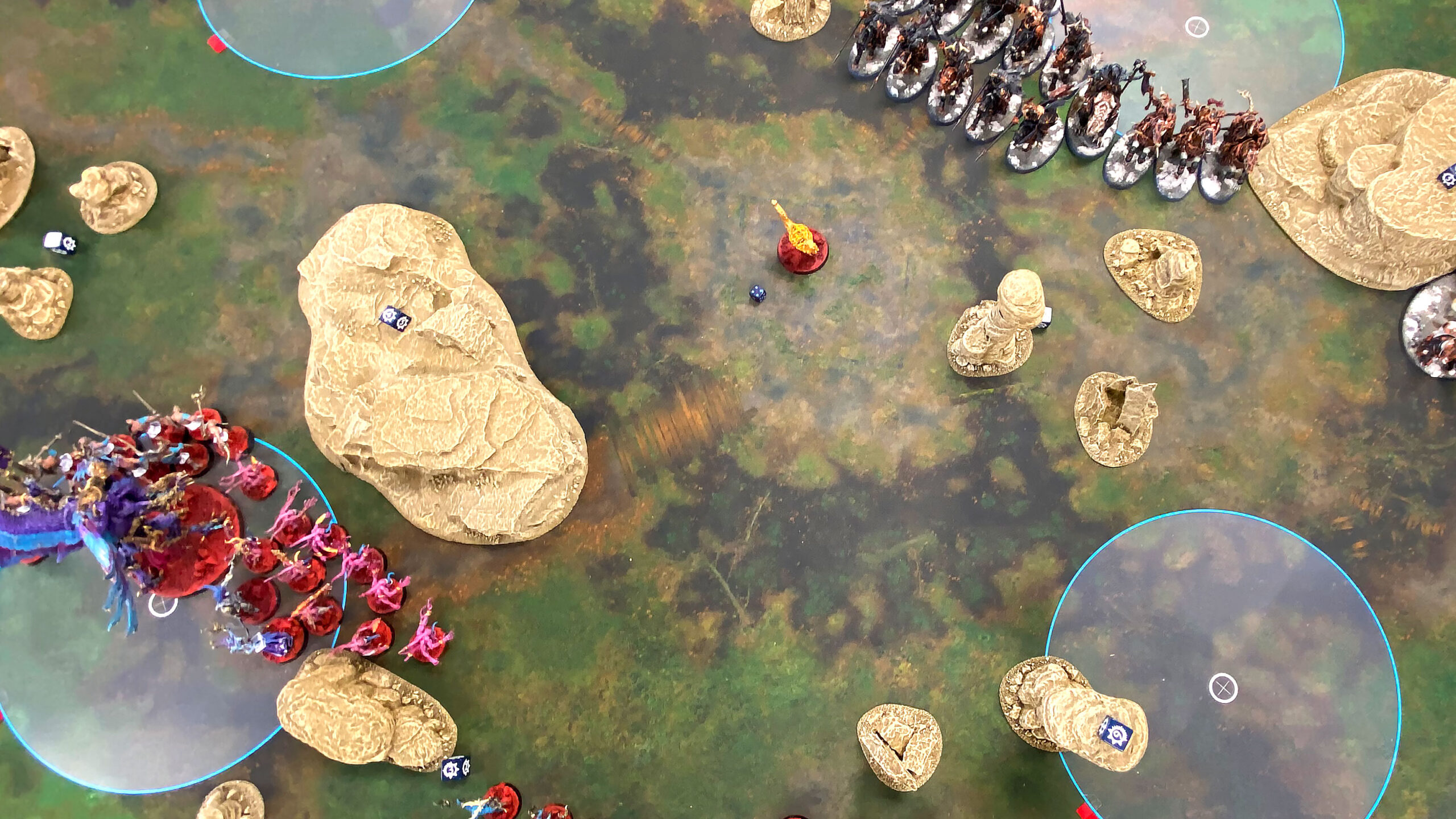
I’ve talked with a lot of people about playing Age of Sigmar. A lot of the time the conversation moves towards getting into the game and my question to the person is, “what kind of player are you?” 

What I mean by this is, are you a competitive gamer? A narrative one? Do you want to play what you want to play, regardless of if it’s “competitive” at the moment? I am a firm believer of know what kind of player you are and what kind of game you prefer, and you’re bound to enjoy yourself. I can count on one hand the number of games where I’ve walked away at the end and firmly had a bad experience and I’ve been playing Age of Sigmar since 2.0. 

I like to play on the more competitive side of things. I’m not a meta chaser, but if I’m going to play an army, I’m going to try and do the best I can as often as I can. If you play this game long enough, you’ll see all armies have their time in the sun as well as their time on the bottom of the barrel, competitively speaking.

Regardless of what kind of player you are, I would also encourage you to attend as many events as you can. This is for a number of reasons. First, the Age of Sigmar community is a fantastic one. The overwhelming majority of players are good people. Even top-tier players are great to play against. Most won’t be “that guy” and are amazing to play against, even as they are beating you on the table. They tend to be generous with their knowledge of the game, so ask them questions after the game is over. Ask them what they think you could have done differently and potentially some decisions you could have made differently throughout the game. 

Second, the majority of players are there to have a good time and don’t expect to go 5-0 at a large tournament. What that means is, if you’re not there to go 5-0, you’ll most likely get 4 out of 5 opponents that are there to roll dice and play with their favorite toy soldiers. Yes, you may get paired round 1 with that person that is trying to go 5-0, and that may be a less enjoyable game overall, but from round 2 on, you’ll most likely be playing people that are a similar type of player as you. 

Third, you tend to get exposure playing against armies you wouldn’t normally get to play against otherwise. Most people have a group of players they play with on a consistent basis and, within that group, there isn’t access to every single army in the game. As a result, you tend to get a lot of experience against, say Stormcast Eternals, but little to no games in against Nighthaunt. Going to events gives you the experience against armies outside your typical group of opponents. 

Finally, and, in my opinion, most importantly, you get to meet other members of the community. As I said initially, the Age of Sigmar community is a pretty fantastic collection of people. Getting out to events in your area will allow you to get to know more people in your area. Not only as gamers, but on an individual level. Seeing them and getting an update on what’s going on in their lives, as well as bringing them up to speed on yours, is a great way to build lasting relationships. No, you may not become best friends or have BBQs in each other’s back yards, but with some, you might. Having a common interest in gaming is a foundation to spark up conversation, learn more about people and make friendships. It helps build the community in positive ways and makes the community more welcoming and inviting to those that it otherwise would not. 

So, if you’re thinking about picking up Age of Sigmar and getting into the hobby, I would encourage you to. Look on the Games Workshop website for an army you like the look of and try to answer the question of “what type of gamer are you?” and I think you’ll truly enjoy this game, this hobby and, most importantly, this community.

Continue reading