The Best Board Games for Kids with ADHD (Fast, Fun, and Frustration-Friendly)

The Best Board Games for Kids with ADHD (Fast, Fun, and Frustration-Friendly)

If your kid has ADHD and loves games, you’re in the right place.
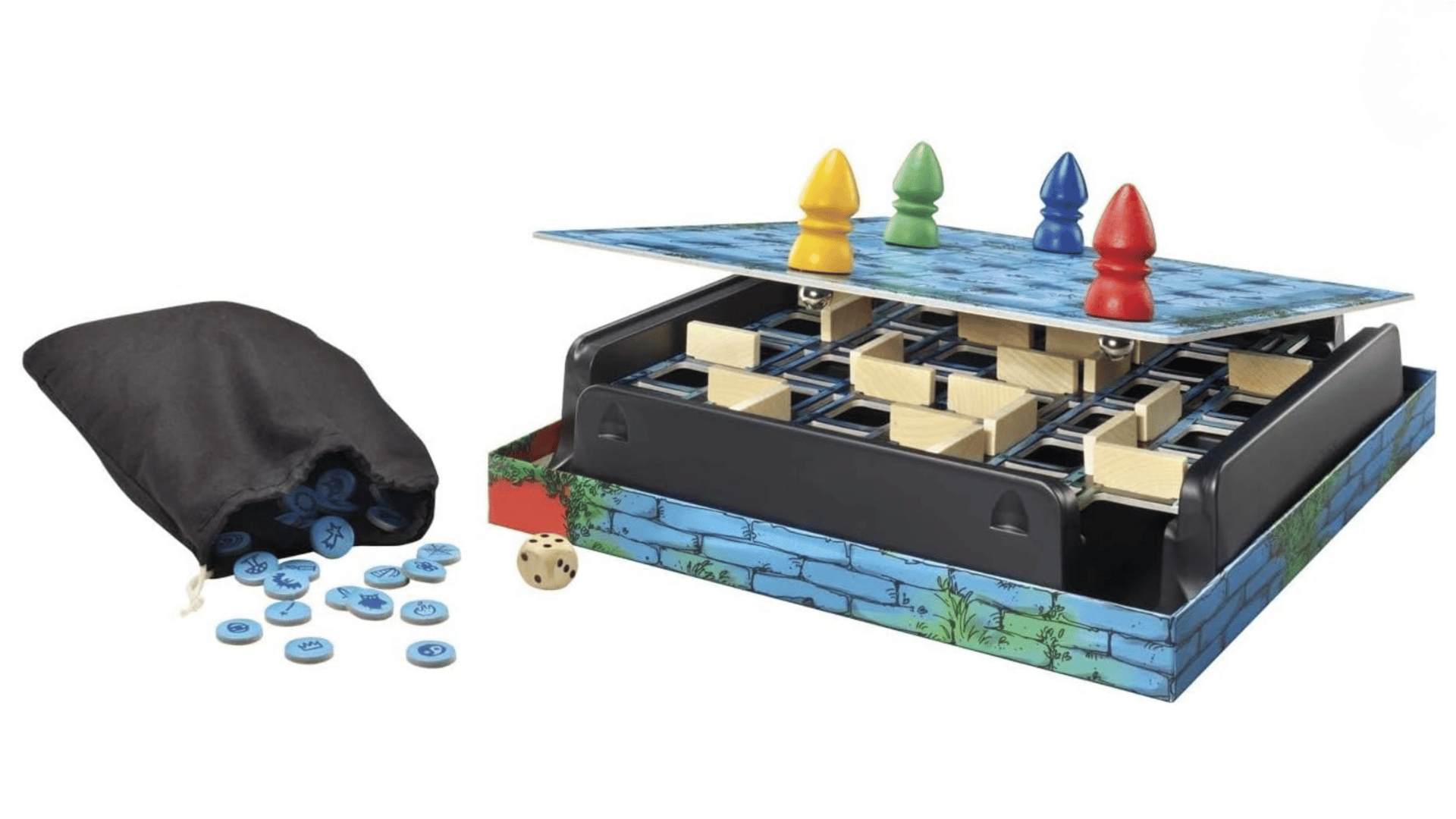
The Best Board Games for Kids with ADHD - Hero

If your kid has ADHD and loves games, you’re in the right place.

Kids with ADHD often thrive with board games—but only the right ones. Long turns, complicated rules, and waiting around can turn game night into meltdown city. 

The good news? There are fantastic board games that are:

  • Fast-paced
  • Visually engaging
  • Easy to learn
  • Great for building focus, impulse control, and frustration tolerance

Below, we’ve rounded up parent-tested, kid-approved board games that actually work—especially for gamers with ADHD. These are games families come back to again and again.

Let’s dive in.

What Makes a Game ADHD-Friendly?

Before we get to the list, here’s what we look for when choosing games for kids with ADHD:

  • Short playtime (15–30 minutes is the sweet spot)
  • Frequent turns or simultaneous play
  • Clear goals
  • Bright visuals or hands-on components
  • Low penalty for mistakes

Bonus points if the game encourages laughing instead of losing.


Skill-Building Games (That Don’t Feel Like Homework)

These games help kids practice focus, memory, planning, and frustration tolerance—without feeling like “learning games.”
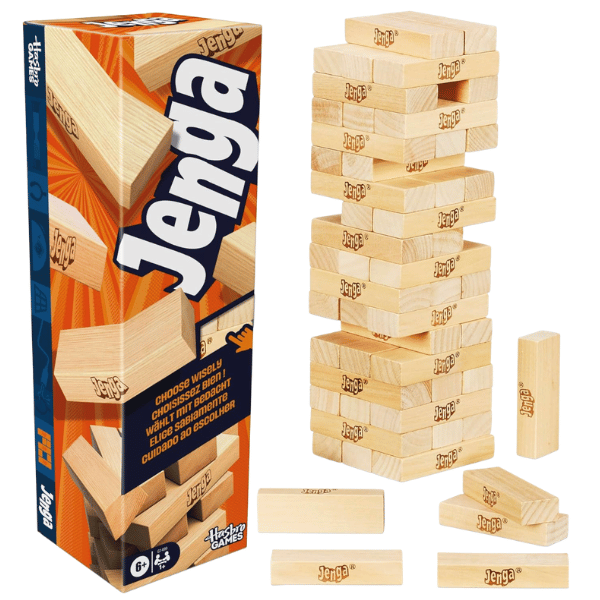
Jenga

1. Jenga

Best age: 6+
Vibe: Tense, silly, loud
Play style: Dexterity, turn-taking

Why it works:

  • Simple rules. Zero reading.
  • Builds impulse control and patience.
  • Immediate feedback—blocks fall, game resets, no grudges.

Parents often say Jenga is perfect for kids who struggle to sit still. Short turns keep everyone engaged, and even losing is funny.
Grab the Game on Amazon


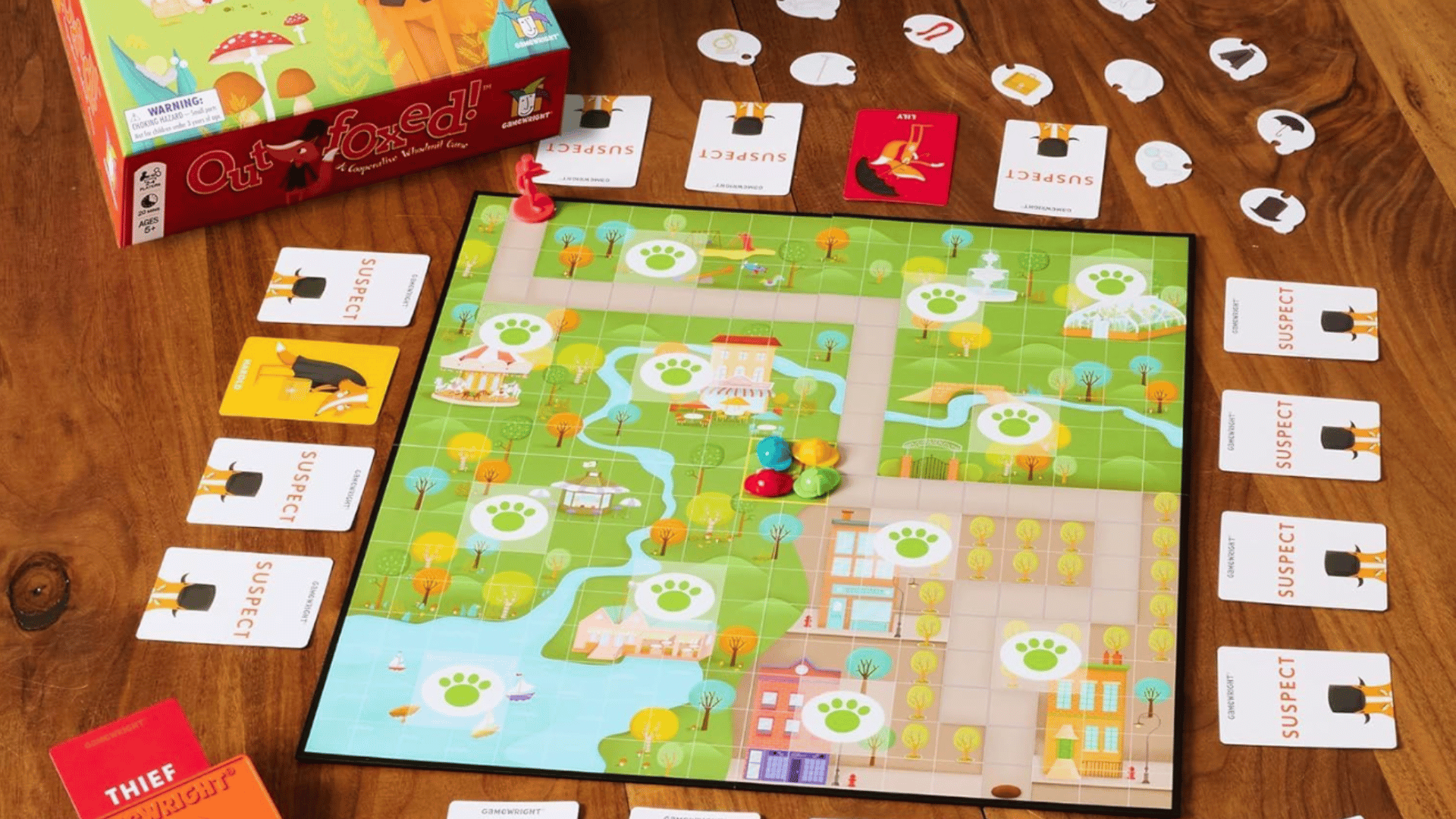
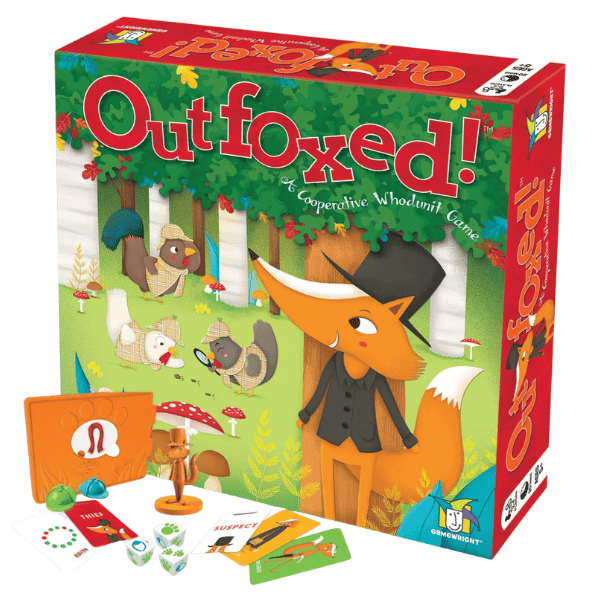
Outfoxed!

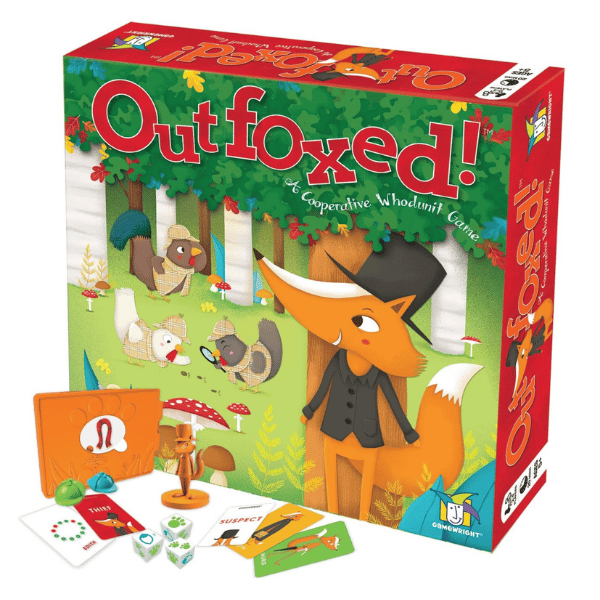
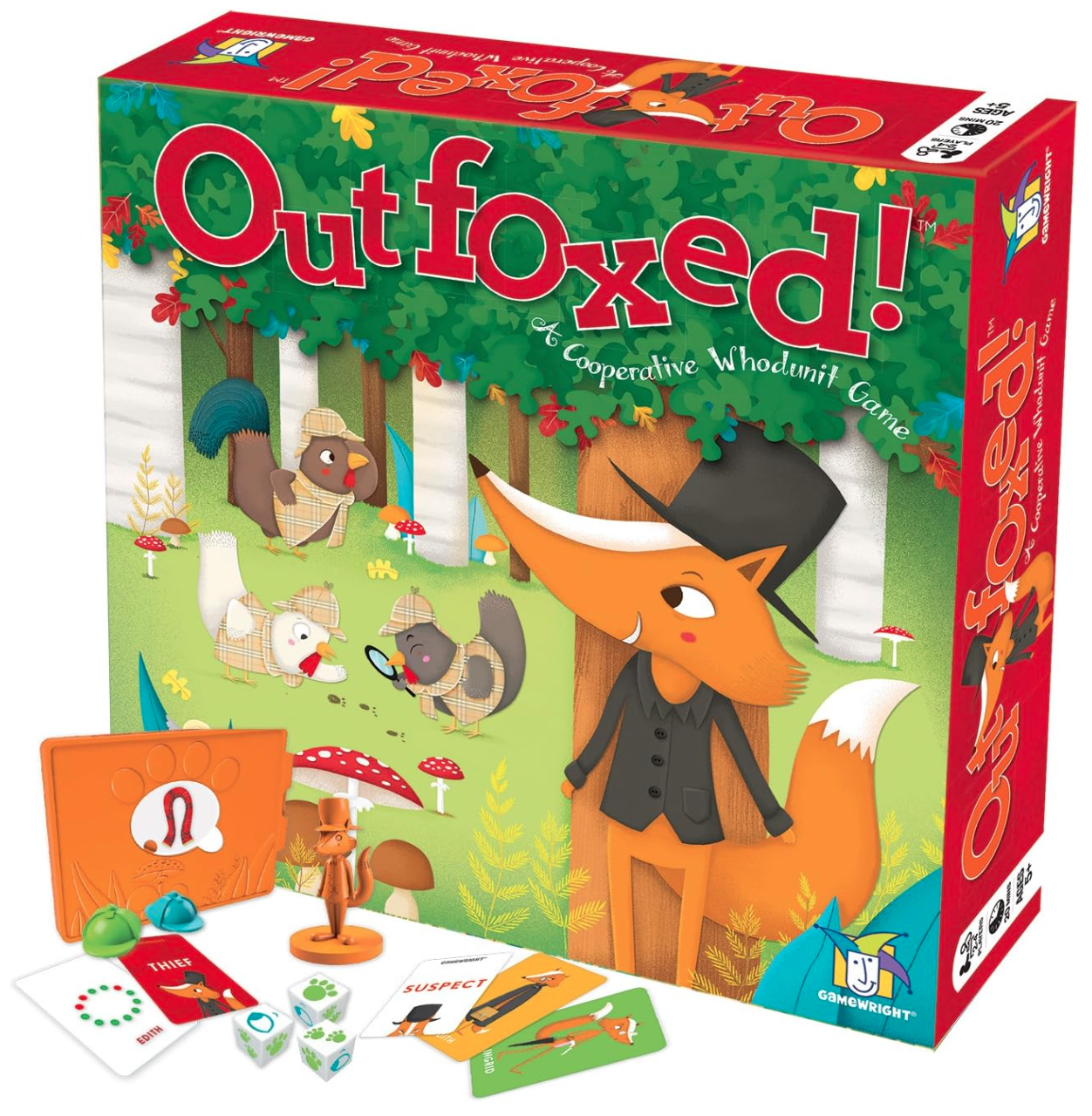
2. Outfoxed!

Best age: 5–8
Vibe: Cooperative mystery
Play style: Deduction, teamwork

Why it works:

  • Everyone plays together.
  • No one gets “knocked out.”
  • Encourages logical thinking without pressure.

Many parents praise Outfoxed! for kids who struggle with competition. You win or lose as a team, which lowers frustration and builds confidence.
Grab the Game on Amazon


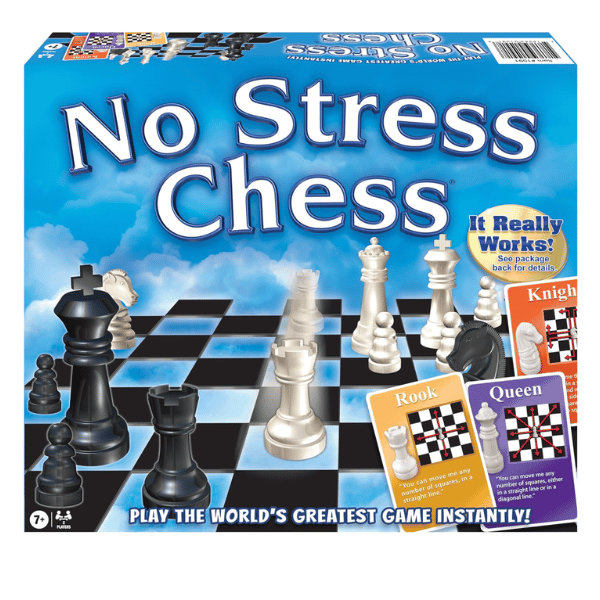
No Stress Chess

3. No Stress Chess

Best age: 7+
Vibe: Calm strategy
Play style: Guided decision-making

Why it works:

  • No memorization required.
  • Cards tell you what moves are allowed.
  • Reduces overwhelm while teaching planning.

This is a favorite among parents of kids who love strategy but get stuck with too many choices.
Grab the Game on Amazon


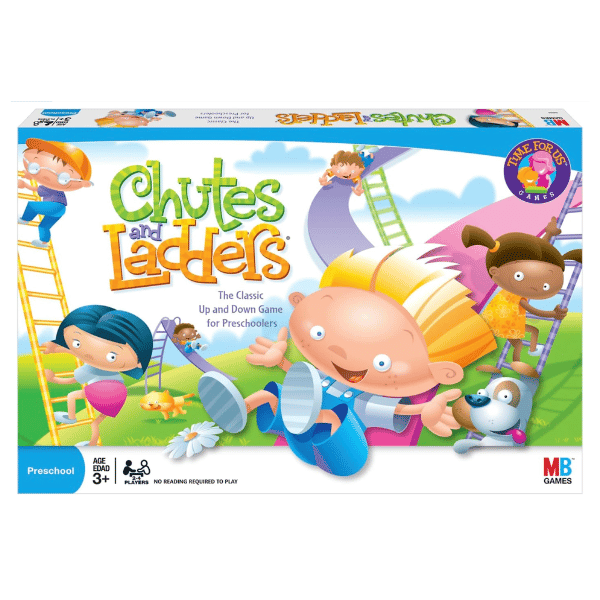
Chutes and Ladders

4. Chutes and Ladders

Best age: 4–6
Vibe: Classic chaos
Play style: Luck-based

Why it works:

  • Zero strategy required.
  • Teaches emotional regulation.
  • Big swings = big feelings = safe practice.

Yes, it’s simple. That’s the point. It’s great for practicing frustration tolerance in a low-stakes way.

Grab the Game on Amazon


Quick and Engaging Games (Because Waiting Is the Enemy)

These games are fast, loud, and perfect for kids who need constant engagement.
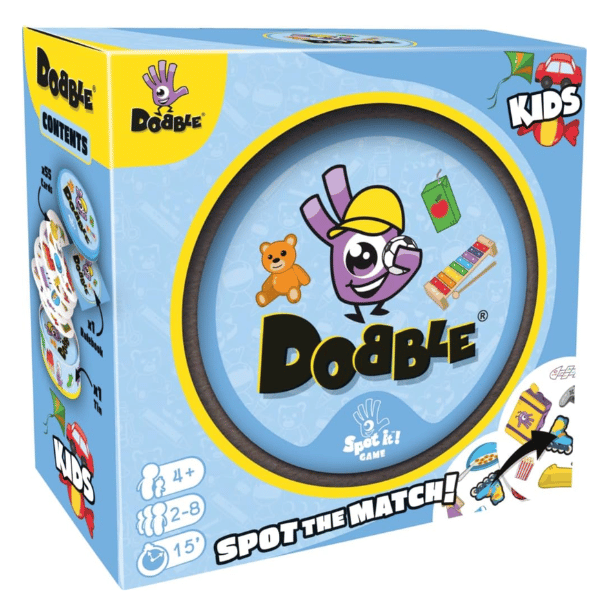
Dobble

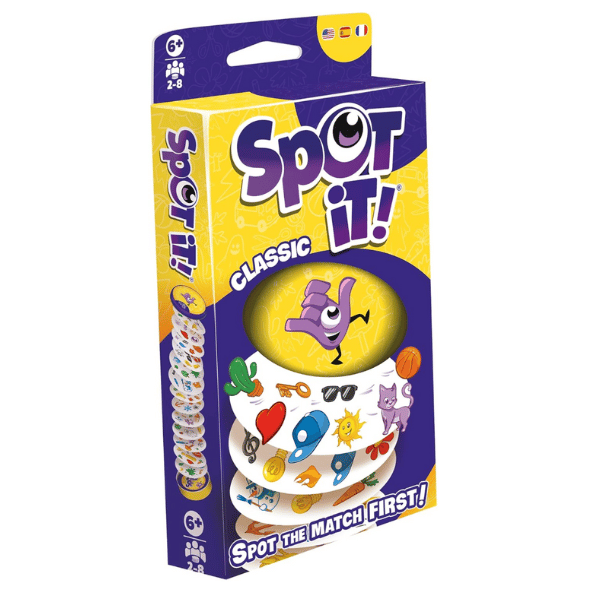
1. Spot It! / Dobble

Best age: 4+
Vibe: High-energy chaos
Play style: Visual scanning, speed

Why it works:

  • Everyone plays at once.
  • Rounds last seconds.
  • Builds focus and visual processing.

Parents love this one because it scales well. Younger kids can play casually. Older kids go full competitive mode.
Grab the Game on Amazon


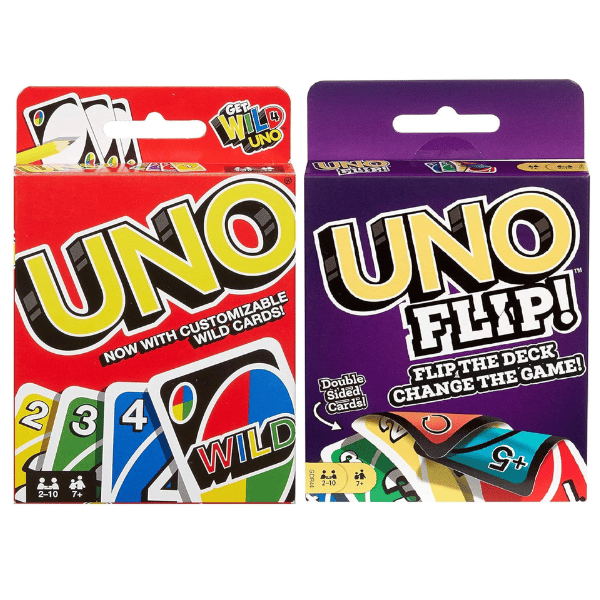
UNO

2. UNO

Best age: 7+
Vibe: Loud and dramatic
Play style: Hand management, luck

Why it works:

  • Familiar and predictable.
  • Short turns.
  • Lots of chances to recover after mistakes.

UNO is especially great for kids who need repetition and structure but still want excitement. Once you master UNO, try UNO Flip!
Grab the Game on Amazon


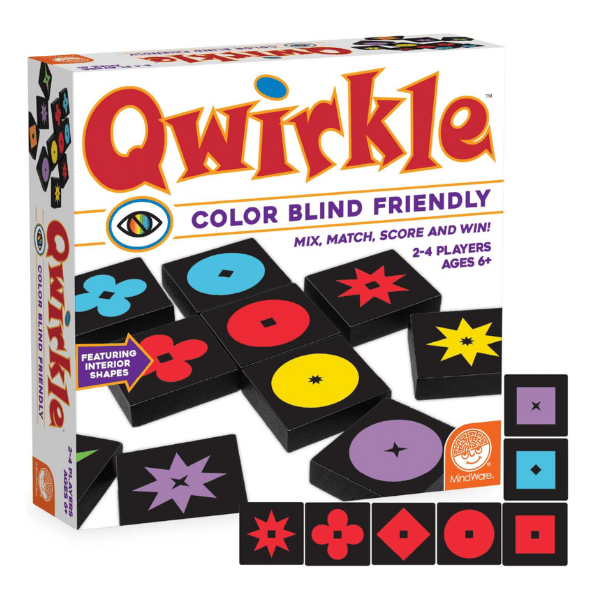
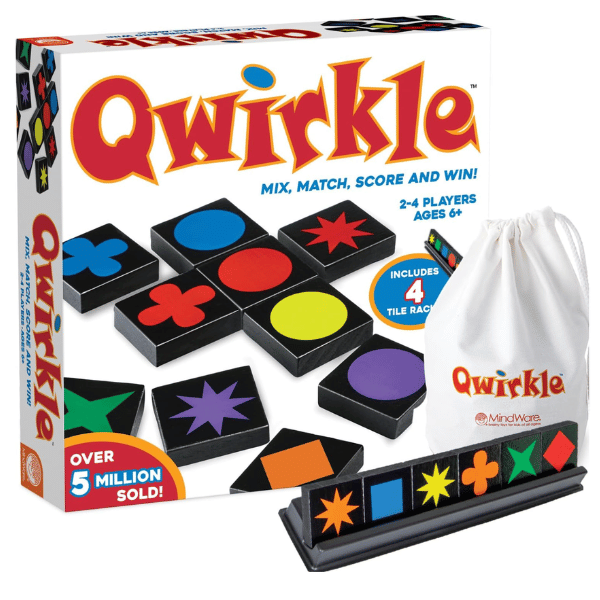
Qwirkle

3. Qwirkle

Best age: 6+
Vibe: Calm but clever
Play style: Pattern recognition

Why it works:

  • Color and shape-based.
  • No reading required.
  • Encourages planning without pressure.

This is a quieter option that still keeps kids engaged.

Grab the Game on Amazon


Strategy & Cooperation Games (For Kids Who Want “Real” Games)

These games feel big and exciting — but stay accessible.
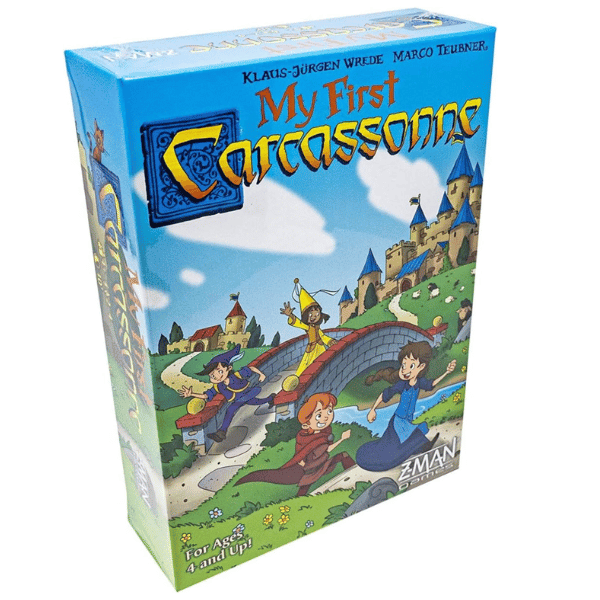
My First Carcassonne

1. My First Carcassonne

Best age: 4–7
Vibe: Gentle strategy
Play style: Tile placement

Why it works:

  • No reading.
  • Simple choices.
  • Visual and tactile.

Parents often say this is a great bridge from “kid games” to family games.
Grab the Game on Amazon


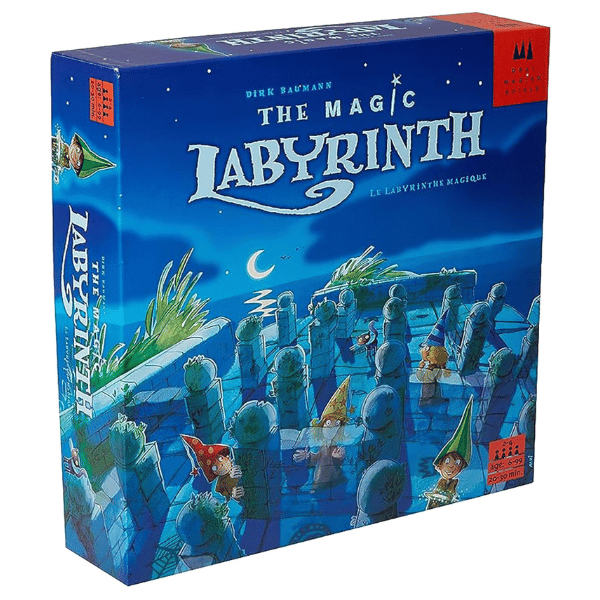
The Magic Labyrinth

2. The Magic Labyrinth

Best age: 6–10
Vibe: Magical memory challenge
Play style: Exploration, recall

Why it works:

  • Physical movement matters.
  • Memory is trained through play.
  • Mistakes are part of the fun.

Kids who struggle with focus often surprise parents with how locked-in they become.
Grab the Game on Amazon


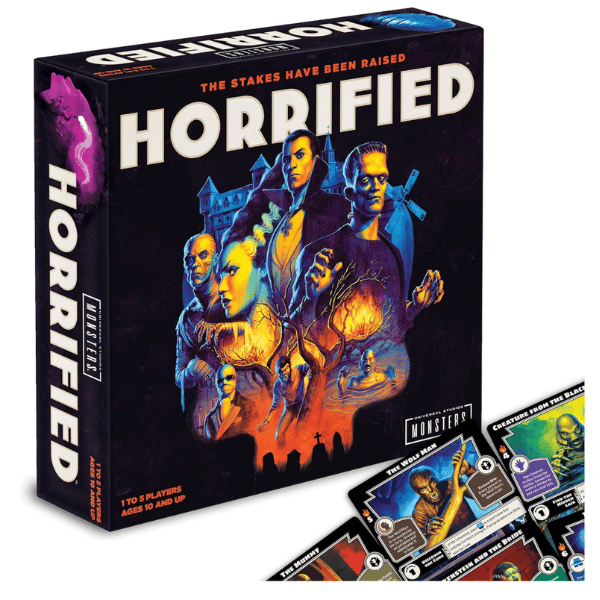
Horrified

3. Horrified

Best age: 8+
Vibe: Spooky teamwork
Play style: Cooperative strategy

Why it works:

  • Everyone works together.
  • Clear goals.
  • Encourages communication and planning.

Families often mention how this game keeps kids focused longer than expected. Especially kids who love themes and stories.

Grab the Game on Amazon


Tips for Playing Board Games with Kids Who Have ADHD

A few small tweaks can make a huge difference.

  • Start Short: Choose games under 30 minutes. You can always play again.
  • Focus on Fun, Not Winning: Celebrate silly moments. Laugh at mistakes. Keep the vibe light.
  • Use House Rules: Skip rules that cause stress. Add helpers. Simplify scoring. This is normal. You’re not cheating.
  • Offer Choices: Let kids choose between two games. Ownership = engagement.
  • End on a High Note: Stop while everyone’s still having fun—even if the game isn’t “finished.”
  • Final Thoughts: Kids with ADHD aren’t bad at board games. They just need games designed for how their brains work.

With the right picks, game night can build:

  • Focus
  • Emotional regulation
  • Confidence
  • Family connection

And most importantly, joy.

If your kid is a gamer at heart, these games give them a place to shine.


More from Tabletop Gurus

Continue reading

Poop Happens: The Surprisingly Great Games That Got Us Through Potty Training (and Beyond)

Poop Happens: The Surprisingly Great Games That Got Us Through Potty Training (and Beyond)

Potty training is hard — especially learning to go #2. These poop-themed games for kids, families, and adults turn bathroom humor into laughs, learning, and stress-free fun.

Poop Happens - Hero

Potty training can be hard.

Like, why-is-this-the-hardest-thing-I’ve-ever-done hard.

And once your kid masters going #1, congratulations — the training isn’t over. Not even close. Because learning to go #2? That’s a whole new boss level.

During that phase in our house, there was a lot of poop talk. A lot of giggling. And more conversations about bodily functions than we ever imagined having with another human being.

So instead of fighting it, we leaned in.

If poop was already the funniest topic in the house, why not use it? We picked up a few poop-themed games, started playing together, and honestly… they worked. They made the whole potty training process lighter, sillier, and way less stressful for everyone involved.

And because it turns out poop humor is basically timeless, we didn’t stop with kids’ games. We’ve added some grown-up options to the list too — because adults deserve dumb laughs just as much as kids do.

Here are the best poop games for kids, families, and adults — the ones that got us through potty training and still make game night way more entertaining.

Poop-Themed Games for Little Kids (Perfect for Potty Training)

If you’re searching for potty training games that actually help, poop games for toddlers and preschoolers can normalize bathroom talk, reduce anxiety, and turn stress into giggles.


Dont Step In It

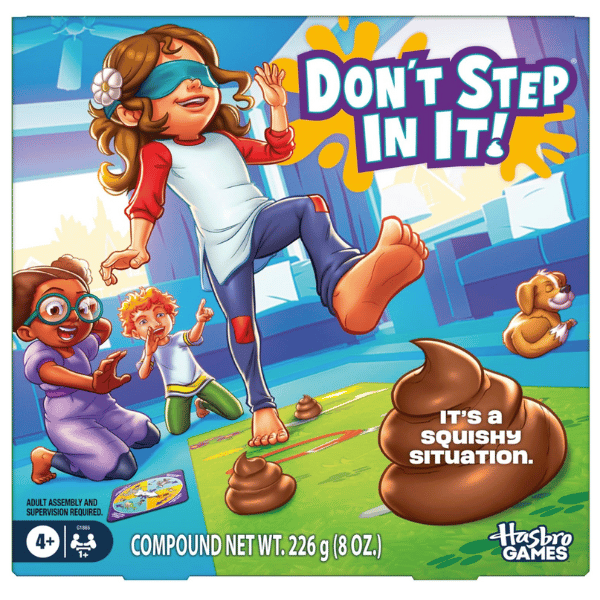
Don’t Step In It!

Playtime: 10-15 minutes
Players: 1+
Age: 4+

This one is pure preschool chaos — in the best way. Players spin, reach, grab, and try to match the right poop to the right animal. There’s a blindfold involved. There are chunky pieces. There is zero chance of quiet play.

Why we love it:

  • Big laughs with very simple rules
  • Reinforces matching and fine motor skills
  • Makes poop feel funny instead of scary

This is perfect for younger kids who are still figuring things out and need potty talk to feel safe and silly.

And if unicorns are more your vibe, no worries, there’s a unicorn edition ready for you. 

Grab the Game on Amazon


Shoot the Poop

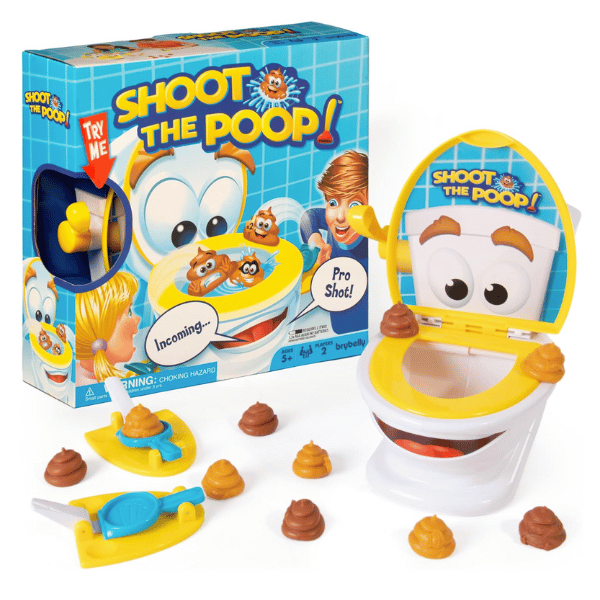
Shoot the Poop

Playtime: 5 minutes
Players: 2
Age: 5+

If your kid loves launching things across the table, this one’s a winner. Players literally shoot little poop pieces into targets, racing to score points before everyone else.

Why we love it:

  • Quick rounds (a great attention-span match)
  • Builds hand-eye coordination
  • Turns poop jokes into active play

It’s fast, ridiculous, and shockingly competitive for something involving tiny plastic turds.

Again, if unicorns are more your vibe, you can grab the unicorn edition for your little here.

Grab the Game on Amazon


Poop Bingo

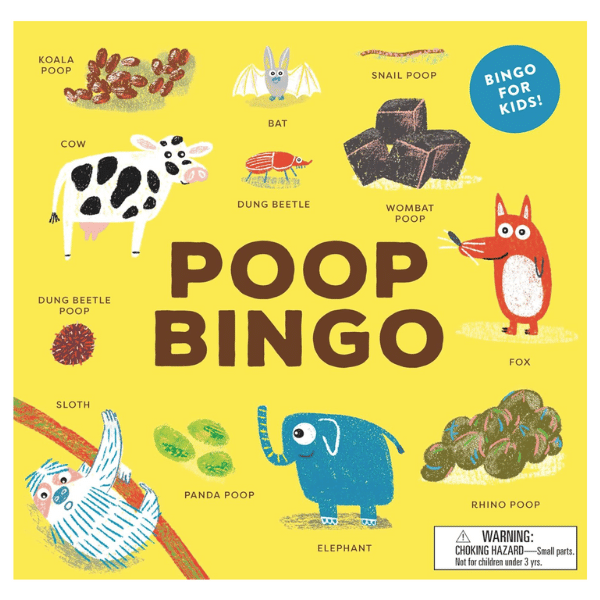
Poop Bingo

Playtime: 10-15 minutes
Players: 3–8
Age: 3+

This one leans more educational, but still keeps the humor front and center. Kids match poop sounds, images, and prompts in a bingo-style format that feels like play — not learning.

Why we love it:

  • Reinforces potty vocabulary without pressure
  • Interactive sounds keep kids engaged
  • Feels comforting and familiar during potty routines

It’s a great bridge game for kids who are still a little unsure about the whole process.

Grab the Game on Amazon


Silly Poopys Hide and Seek

Silly Poopy’s Hide & Seek

Playtime: Depends on how hard you hide it
Players: 2+
Age: 3+

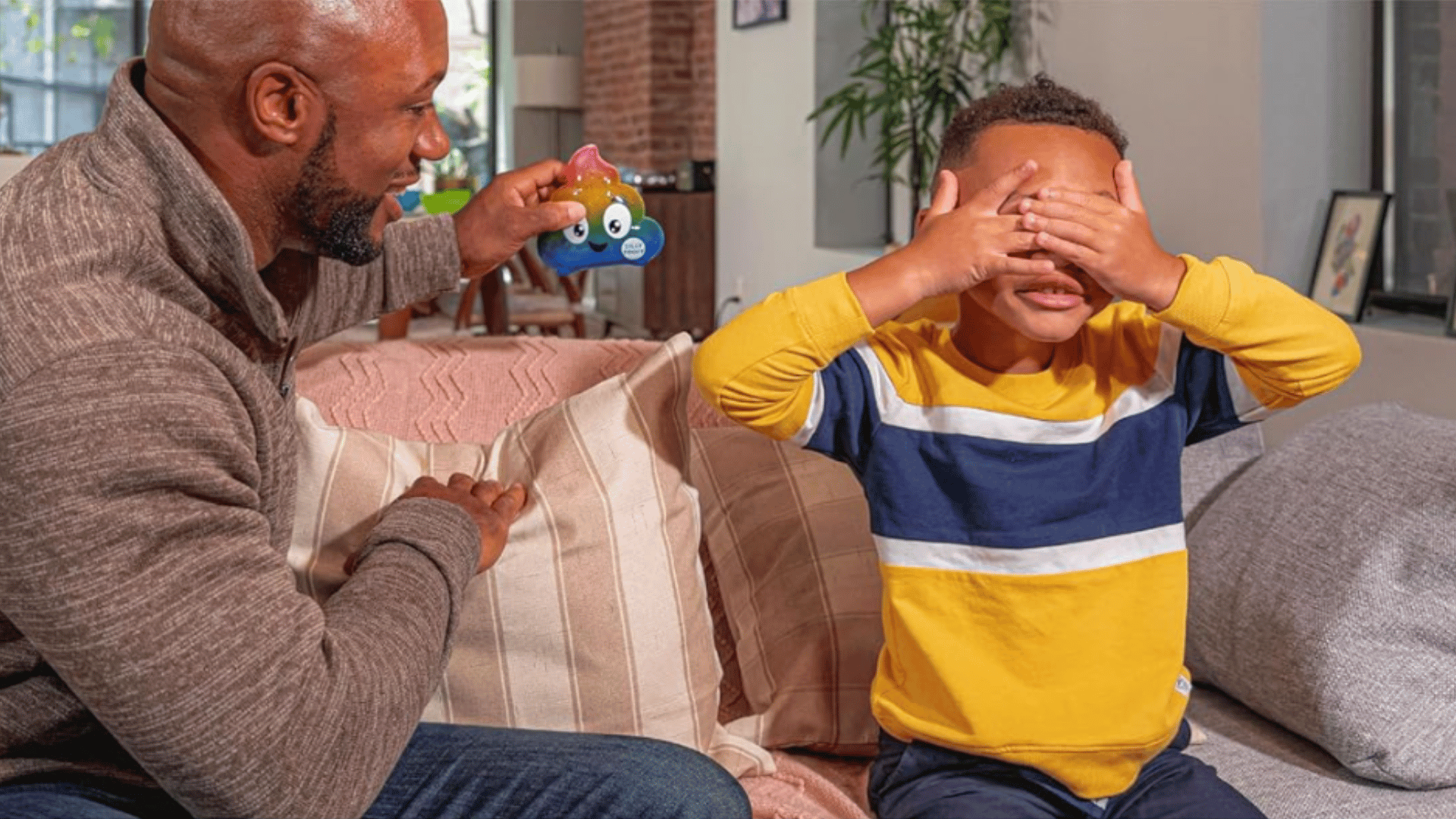
This interactive, light-up toy turns the classic game of hide-and-seek into a sillier, more playful experience for toddlers. It features a poop-shaped character that “comes alive” when turned on – making goofy sounds (including funny fart noises), giving simple auditory clues, and singing in cheerful celebration when found.

Why we love it:

  • It encourages active play, listening skills and cooperative movement 
  • Adds a dose of silly fun that keeps kids engaged 
  • It’s a straightforward loop – hide, seek, find, celebrate 

It’s an easy one for littles to enjoy independently or with others. 

Grab the Game on Amazon


Family & Older Kid Poop Games

Once kids are more confident, these poop-themed family games keep the laughs coming and work well for mixed ages — including adults who swear they’re above potty humor (they’re not).

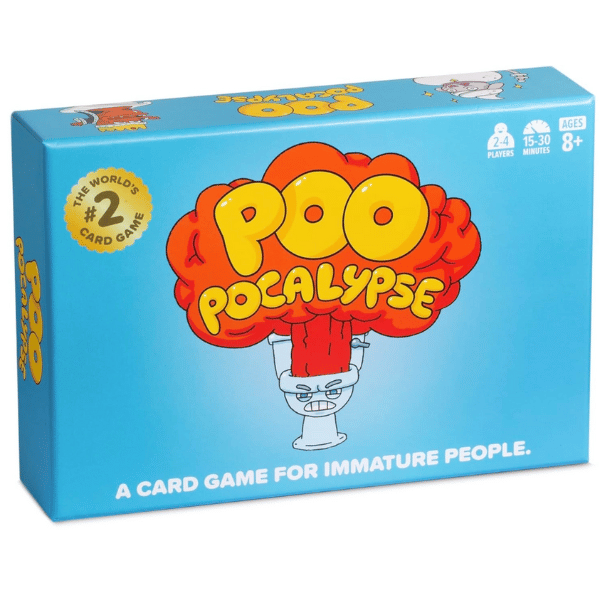
Poop Pocalypse

Poop-Pocalypse

Playtime: 15–30 minutes
Players: 2–4
Age: 8+

This is where things level up. Poo-Pocalypse is a silly card game where players try to avoid being overtaken by — you guessed it — poop.

Why we love it:

  • Easy to learn, fast to play
  • Silly without being too gross
  • Works for mixed-age groups

It’s goofy fun that older kids actually want to play (which is saying something).

Grab the Game on Amazon


Poop the Game - Special Edition

Poop the Game – Special Edition

Playtime: 10–15 min
Players: 2–5
Age: 6+

Simple rules, fast turns, and plenty of “eww” moments. This one feels like a classic party game with a bathroom-humor twist.

Why we love it:

  • Great filler game between bigger titles
  • Easy for non-gamers to jump into
  • Brings out laughs across age groups

It’s the kind of game that starts as a joke and ends with everyone asking for another round.

Grab the Game on Amazon


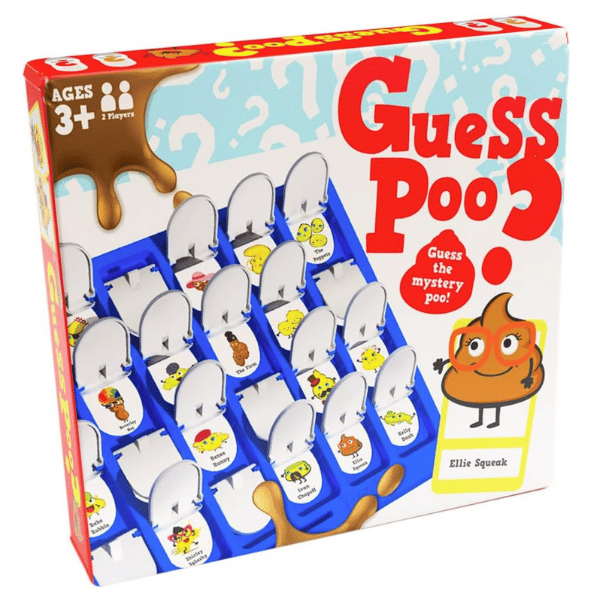
Guess Poo?

Guess Poo?

Playtime: 10–15 min
Players: 2
Age: 6+

This is a lighthearted, humorous guessing game designed for kids and adults to enjoy together. Players take turns asking yes/no questions about a mystery “poo” hidden somewhere on the game board

Why we love it:

  • It’s quick and easy to play
  • A fantastic way to entertain kids
  • Brings out laughs across age groups

Simply ask a question, flip, and guess! Just like the classic game for kids but with a poop-tastic twist.

Grab the Game on Amazon


Why Poop Games Actually Help (Yes, Even for Potty Training)

Here’s the thing: kids already think poop is hilarious. Fighting that instinct just adds tension to an already stressful potty training phase. Poop games normalize the conversation, remove pressure, and make the whole experience feel less intimidating.

They also create positive associations with bathroom talk — which can be incredibly helpful when kids are learning to listen to their bodies.

And honestly? They make us laugh too.

Potty training isn’t magical. It’s messy, awkward, and exhausting. But if a silly poop game can turn one more stressful moment into a giggle-filled memory, we’re all for it.

Because sometimes the best way through a hard phase … is leaning straight into the poop jokes.

More from Tabletop Gurus

Continue reading

10-Minute Games That Save Bedtime Chaos

10-Minute Games That Save Bedtime Chaos

Short, easy games that help kids wind down without the bedtime battle. These parent-approved 10-minute picks are fun, simple, and perfect for avoiding meltdowns at the end of a long day.

The 10-Minute Game That Saves Bedtime Chaos - Plus a Few More That Help

Bedtime at my house used to feel like herding squirrels. Sleepy-but-not-sleepy kids. Random bursts of energy. Tears because someone’s sock “felt weird.” You know the drill.

Then I tried something strange out of desperation: a 10-minute game.

It worked.

Like we might actually survive bedtime kind of worked.

Turns out, giving kids a tiny moment of connection before the whole “brush teeth, PJs, let’s not negotiate tonight” routine smooths out the bumpy parts. It’s fast, calm(ish), and feels like a reward instead of a fight.

Here are a few games that won’t wind kids up too much, won’t drag into the night, and won’t send you hunting for lost pieces at 9:57 p.m.

Our Picks


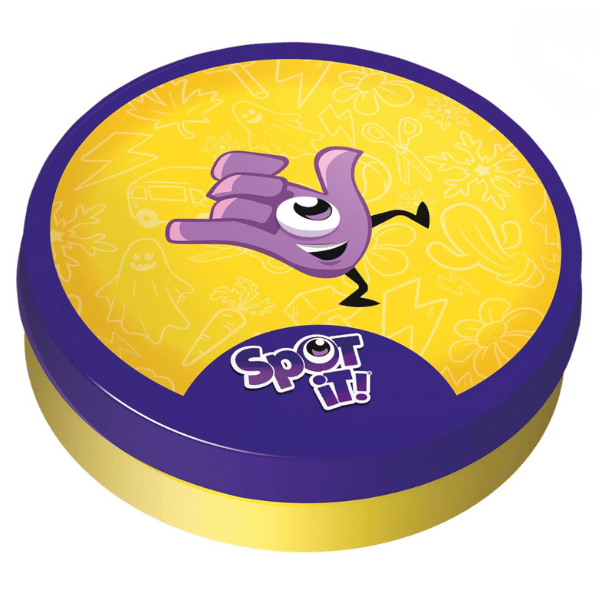
Spot It!

1. Spot It! — The One That Actually Ends Arguments

If I had to pick a single game that saves my sanity at bedtime, it’s this one.

Each round is short. Kids feel like geniuses when they win. And you can squeeze in two quick plays and still have time to get everyone upstairs.

It also somehow stops the “I’m not tired” complaints because their brains get just the right amount of focus without tipping into hyper mode.

Grab it on Amazon


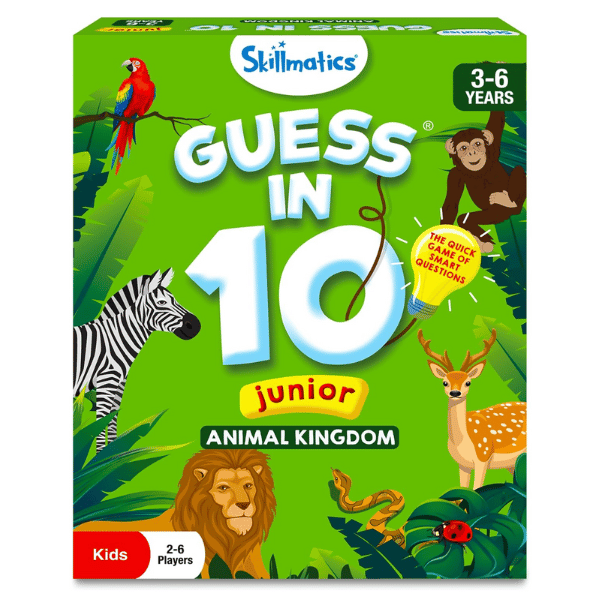
Guess in 10 Junior

2. Guess in 10 Junior — Great for Wiggly Brains

This one feels like a game and a conversation at the same time. No pieces, no mess, no setup. Just quick questions and a couple of giggles.

Perfect for kids who need something calm but still engaging.

Grab it on Amazon


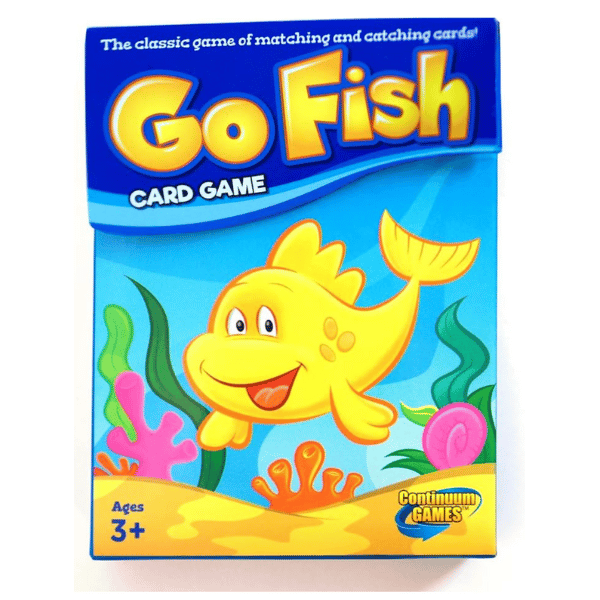
Go Fish

3. Go Fish — Yes, the Classic One

I didn’t expect my kids to love this, but they do. Something about the routine of it helps them settle. It’s predictable and soothing — kind of like a warm blanket but with cute cards.

The whole thing takes under 10 minutes unless someone gets dramatic about losing… which is still better than a bedtime meltdown.

Grab it on Amazon


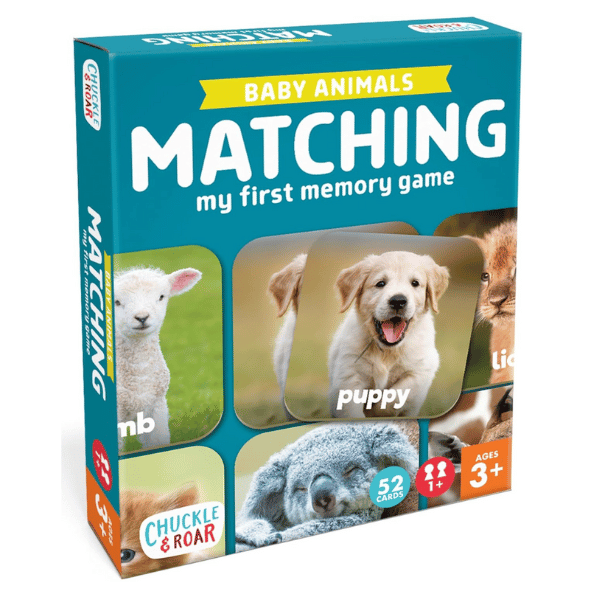
Memory Match

4. Memory Match — The “Let’s Wind Down Our Brains” Game

If your kids bounce off the walls after dinner, this helps slow the pace.

The matching part is calm. The turns are fast. And you can control the length by choosing how many cards you lay out.

I usually go with six pairs. Anything more than that and we risk chaos.

Grab it on Amazon


Why This Trick Works

Kids love routines, but they also love connection. When those two things link together right before bedtime, the transition feels smoother.

A short game:

  • gives structure
  • gives attention
  • gives them something to “finish,” which helps them shift into bedtime mode

And, bonus, it turns the end of the day into something sweet instead of stressful.

My kids now ask, “What’s tonight’s game?” instead of “Do I have to go to bed?”

Honestly, I’ll take that win forever.

More from Tabletop Gurus

Continue reading

Games My Kids Actually Put Down Their Tablets For

Games My Kids Actually Put Down Their Tablets For

I’ve accepted that screens are part of our world. But having a stack of games that actually pull my kids away is something I’ll never stop appreciating

Games My Kids Actually Put Down Their Tablets For

My house isn’t anti-screen by any stretch. My kids will happily disappear into their tablets for hours if I let them, and most days I pick my battles. But every now and then, a game shows up on the table that gets them to look up, wander over, and actually join in. No bribing, no “just give me five minutes,” no dramatic sighs. These are the keepers. The games that break through the digital fog and somehow win.

I’m sharing them because I wish someone had handed me this list years ago.

Our Picks


Taco Cat Goat Cheese Pizza

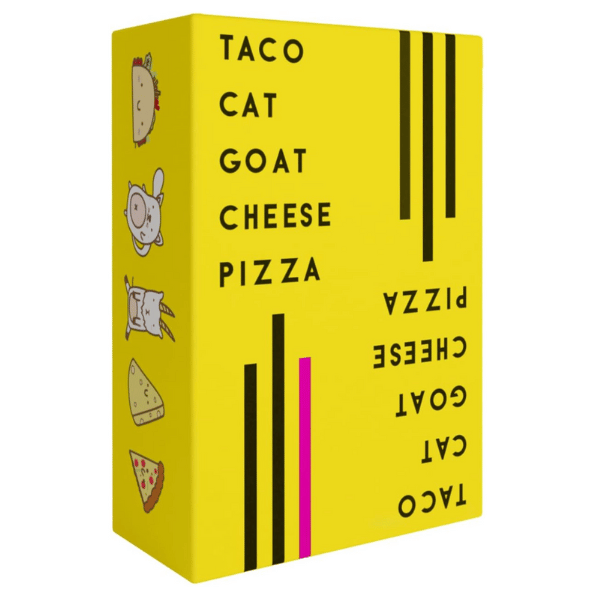
1. Taco Cat Goat Cheese Pizza

This one is absolute chaos in the best way. The kids scream-laugh their way through it, and I just try not to get smacked in the face during the slap rounds. It’s quick, it’s loud, and it somehow never gets old.

Why it works

  • Easy rules
  • Fast turns
  • High-energy physical play

Age sweet spot: 7–12

Grab the Game on Amazon


Outfoxed

2. Outfoxed

My kids treat this like they’re tiny detectives on a mission. The board, the clues, the little decoder slider—it all clicks for them. I like it because everyone works together, which cuts down on the “he’s cheating!” meltdowns.

Why it works

  • Cooperative play
  • Cute without feeling babyish
  • Quick to set up

Age sweet spot: 5–9

Grab the Game on Amazon


Sleeping Queens

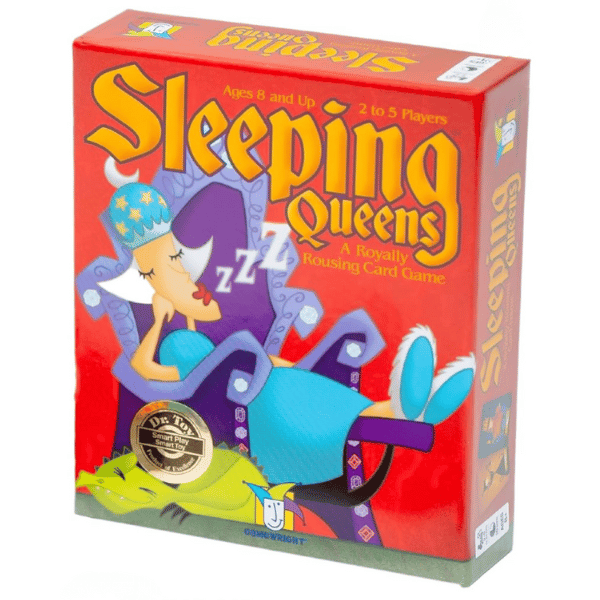
3. Sleeping Queens

This one feels like a card game made by someone who understands kids better than adults ever could. It’s colorful, it’s silly, and the kids don’t realize they’re doing mental math.

Why it works

  • Easy to teach
  • Playful artwork
  • Rounds go fast enough that no one wanders off

Age sweet spot: 8–10 (fun fact: this game was created by a 6-year old and was based on a dream she had. The game is rated for 8+ but feel free to introduce at 5 or 6, and if needed, introduce some house rules to make it work)

Grab the Game on Amazon


Spot It!

4. Spot It!

This is my emergency purse game. I’ve pulled it out at restaurants, doctor’s offices, car trips—you name it. The energy switches from “I’m bored” to “I’m going to win” in about three seconds.

Why it works

  • Tiny and portable
  • Instant engagement
  • Feels like a race without stress

Age sweet spot: 6–12 (but you can play your own version of this game with littles starting around 3 or 4)

Grab the Game on Amazon


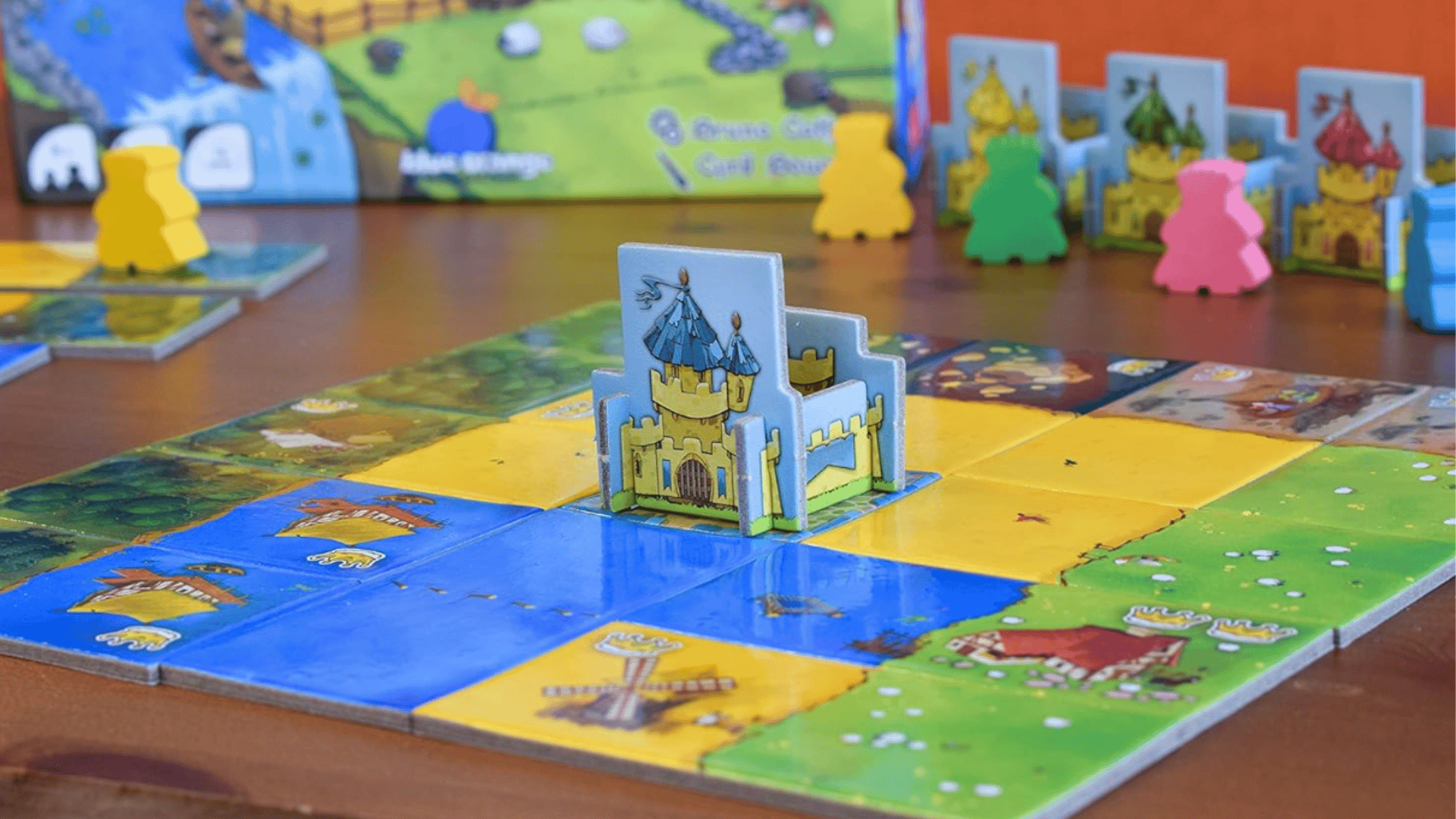
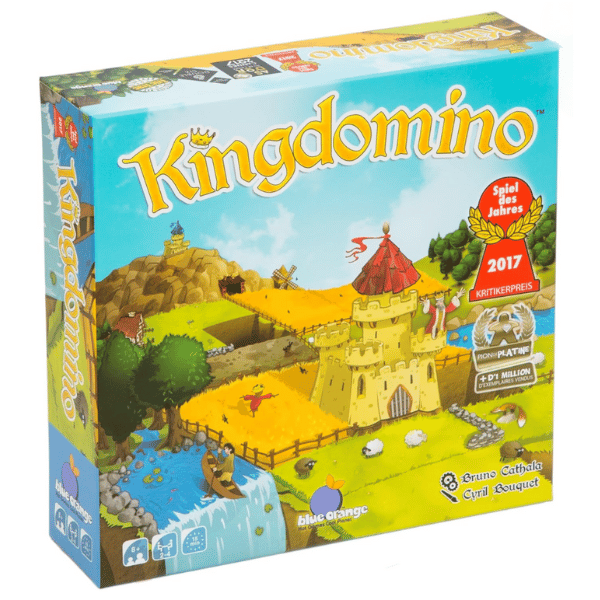
Kingdomino

5. Kingdomino

This one surprised me. It looks simple, but the kids get really into picking the perfect tiles and building little worlds. It feels calm, which is rare for our house.

Why it works

  • Turns stay short
  • Light strategy that kids grasp quickly
  • Just the right amount of thinking

Age sweet spot: 8–12

Grab the Game on Amazon


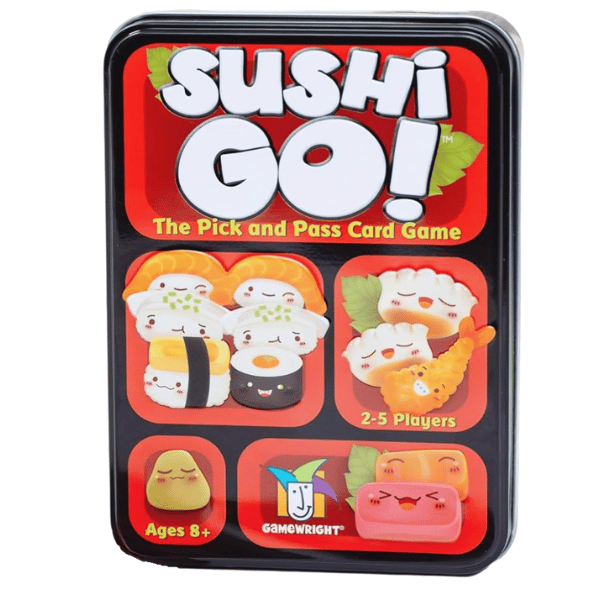
Sushi Go!

6. Sushi Go!

My kids love drafting cards because it feels like they get secret picks every round. Plus, the art is adorable without being too “little kid.”

Why it works

  • Cute theme
  • Great for teaching choices
  • Plays well with mixed ages
  • Can take with you anywhere

Age sweet spot: 8–13

Grab the Game on Amazon


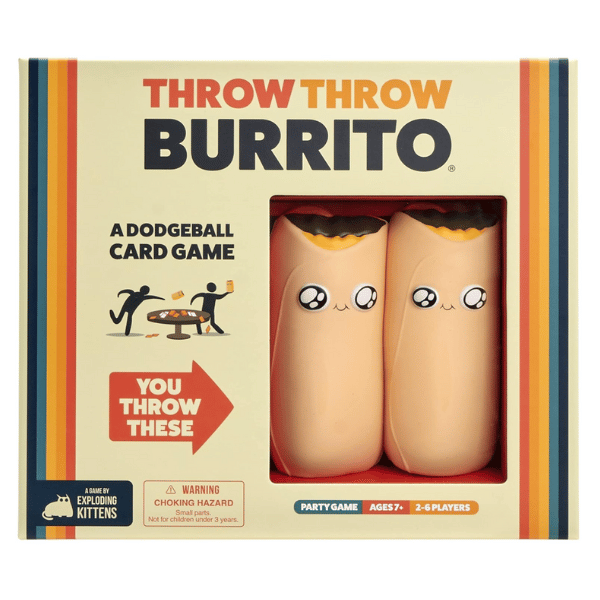
Throw Throw Burrito

7. Throw Throw Burrito

The inflatable burrito battles are pure bliss for my kids. There’s strategy in there somewhere, but no one ever remembers because they’re too busy dodging foam food flying across the living room.

Why it works

  • Movement keeps everyone engaged
  • Laughs every single time
  • A rare game that works for older kids too

Age sweet spot: 7–14

Grab the Game on Amazon


Qwirkle

8. Qwirkle

When I need something calmer but still fun, this is my go-to. The kids settle into it, almost like a puzzle with a competitive streak.

Why it works

  • Visually clear
  • Easy patterns to spot
  • Feels challenging without being stressful

Age sweet spot: 6–12

Grab the Game on Amazon


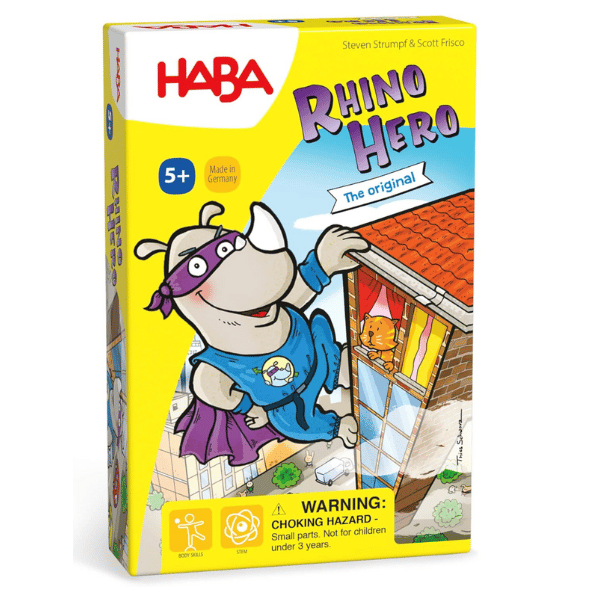
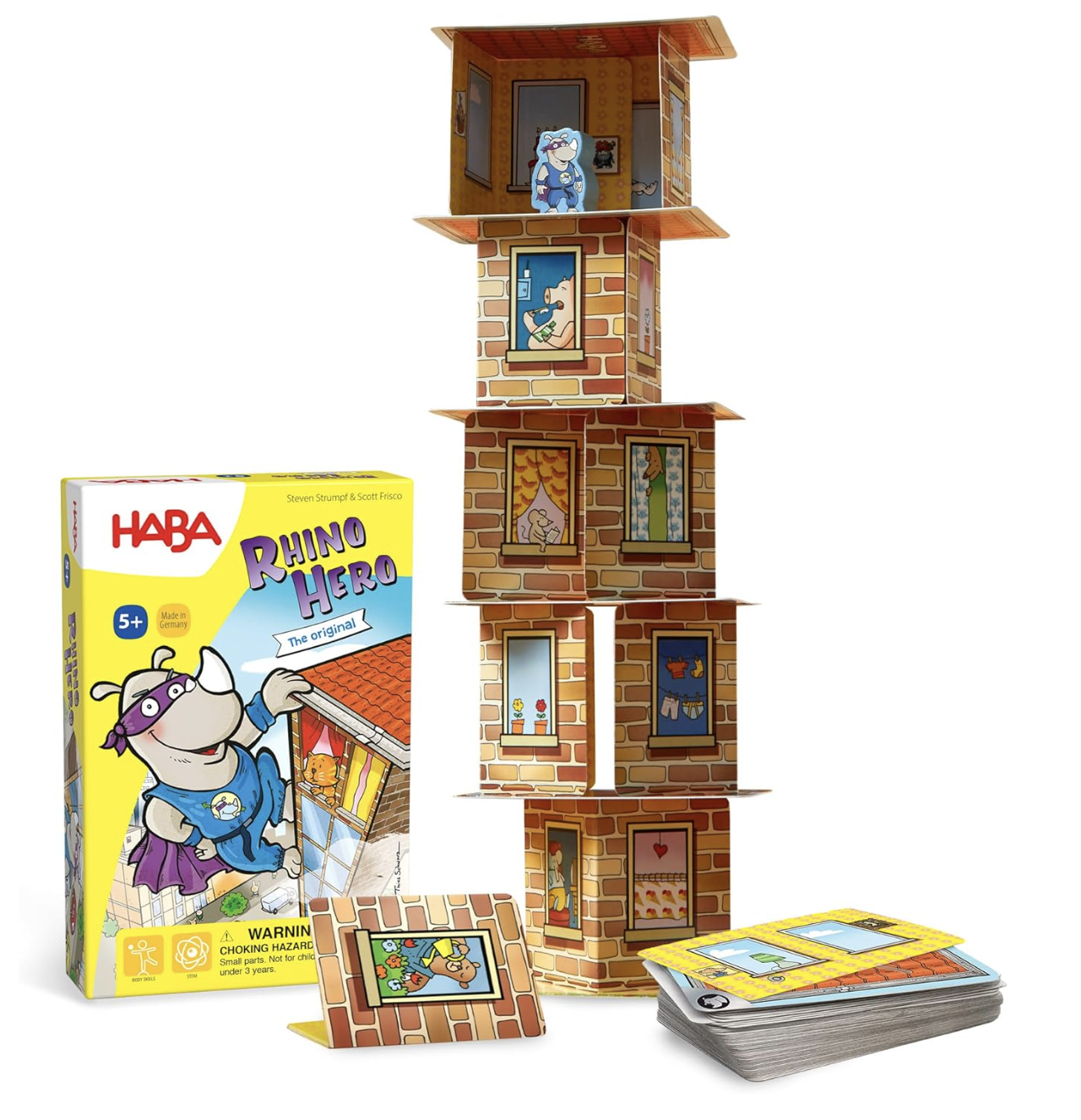
Rhino Hero

9. Rhino Hero

A dexterity game that looks ridiculous but somehow becomes very serious in our house. My kids love stacking the cards and holding their breath as the tower wobbles.

Why it works

  • Short games
  • Tactile play
  • No reading required
  • Compact and portable – great for travel

Age sweet spot: 5–10 (can play with younger kids, just be sure to remove the small pieces that are choking hazards from those under 3)

Grab the Game on Amazon


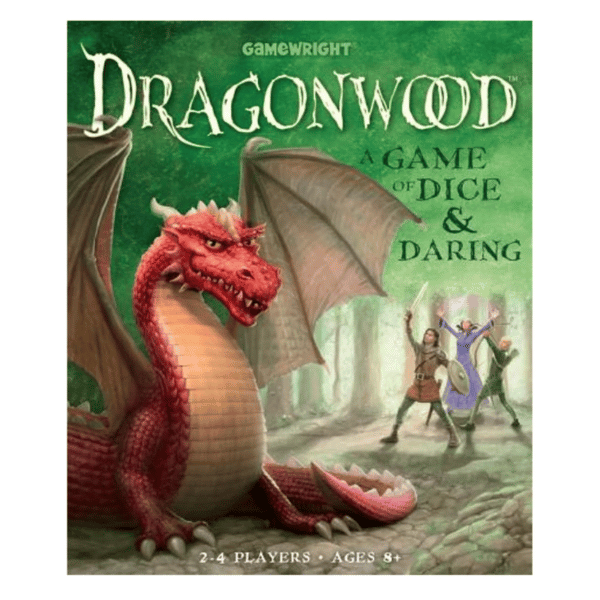
Dragonwood

10. Dragonwood

This game gives kids a small taste of adventure without complex rules. My kids get invested fast—they root for their cards like they’re tiny heroes.

Why it works

  • Light fantasy
  • Dice rolling keeps the energy up
  • Feels exciting without being overwhelming
  • Playthrough sweet spot – takes about 20 minutes

Age sweet spot: 8–12

Grab the Game on Amazon


In the end

I don’t expect board games to replace tablets permanently. I’ve accepted that screens are part of our world. But having a stack of games that actually pull my kids away — willingly — is something I’ll never stop appreciating. These are the ones that stuck, the ones they ask for, the ones that turned “five more minutes on the iPad” into “wait, can we play again?”

More from Tabletop Gurus

Continue reading

STEM Games That Feel Like Play – So Fun, Kids Won’t Realize They’re Learning

STEM Games That Feel Like Play – So Fun, Kids Won’t Realize They’re Learning

Smart, hands-on games that sneak in STEM skills without feeling like homework. Perfect for curious kids who love to build, think, and explore.

STEM Games That Feel Like Play

Learning doesn’t have to feel like school. These STEM-inspired games sneak in math, logic, and creativity — and your kids will be too busy laughing to notice.

The Games


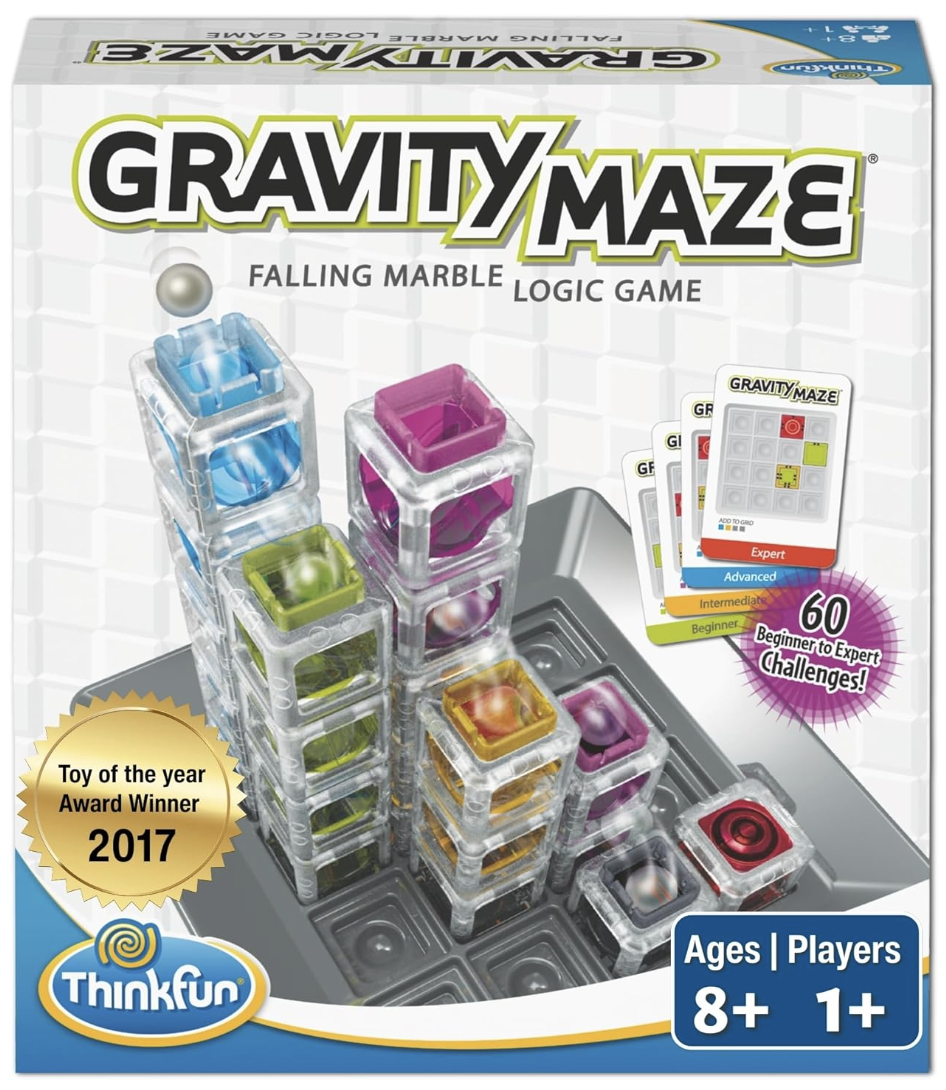
Gravity Maze

1. Gravity Maze

Part marble run, part logic puzzle. Players build towers to guide a marble to its target. It’s a brain workout disguised as a game — and satisfying for adults too.

Grab the Game on Amazon


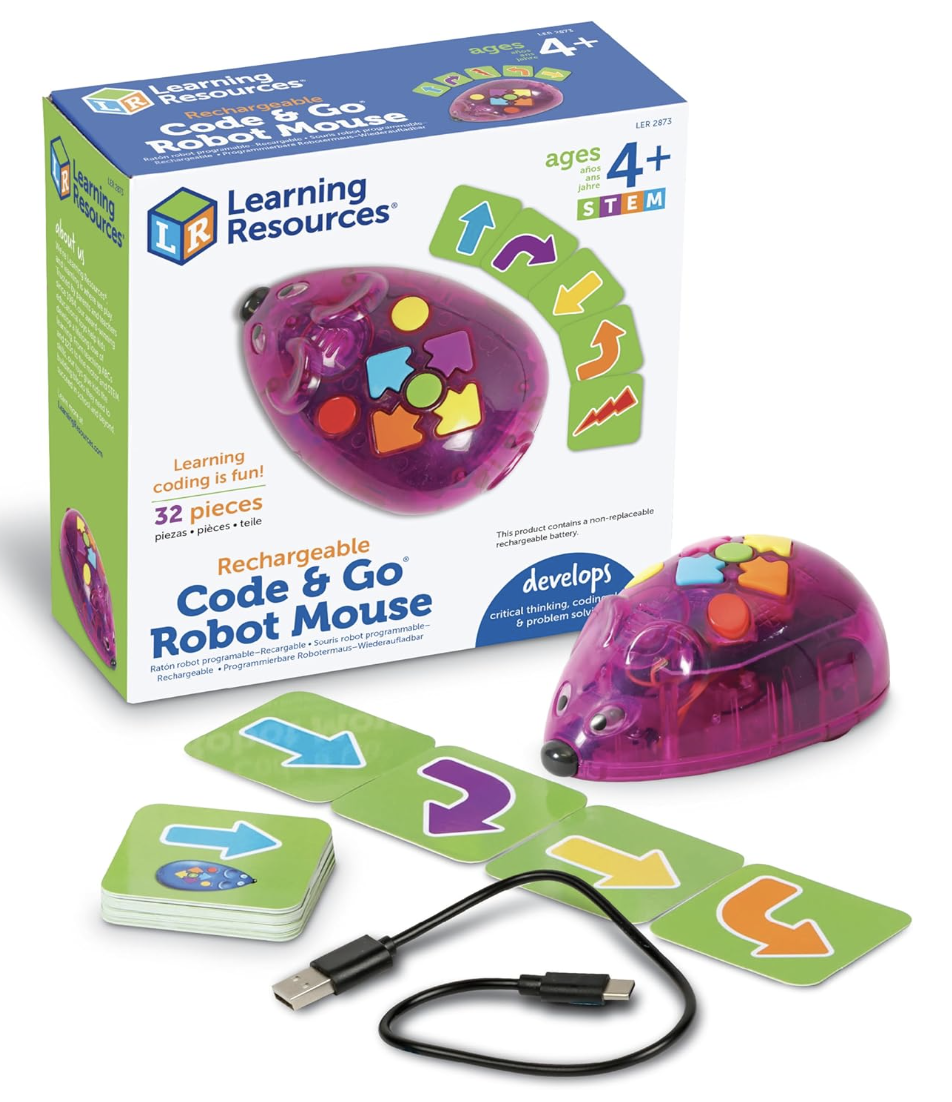
Robot Mouse

2. Robot Mouse

Teaches coding basics to preschoolers without a screen. Kids plan moves for their mouse learning sequencing and logic along the way. Simple, colorful, genius. Perfect for tabletop or floor play.

Grab the Game on Amazon


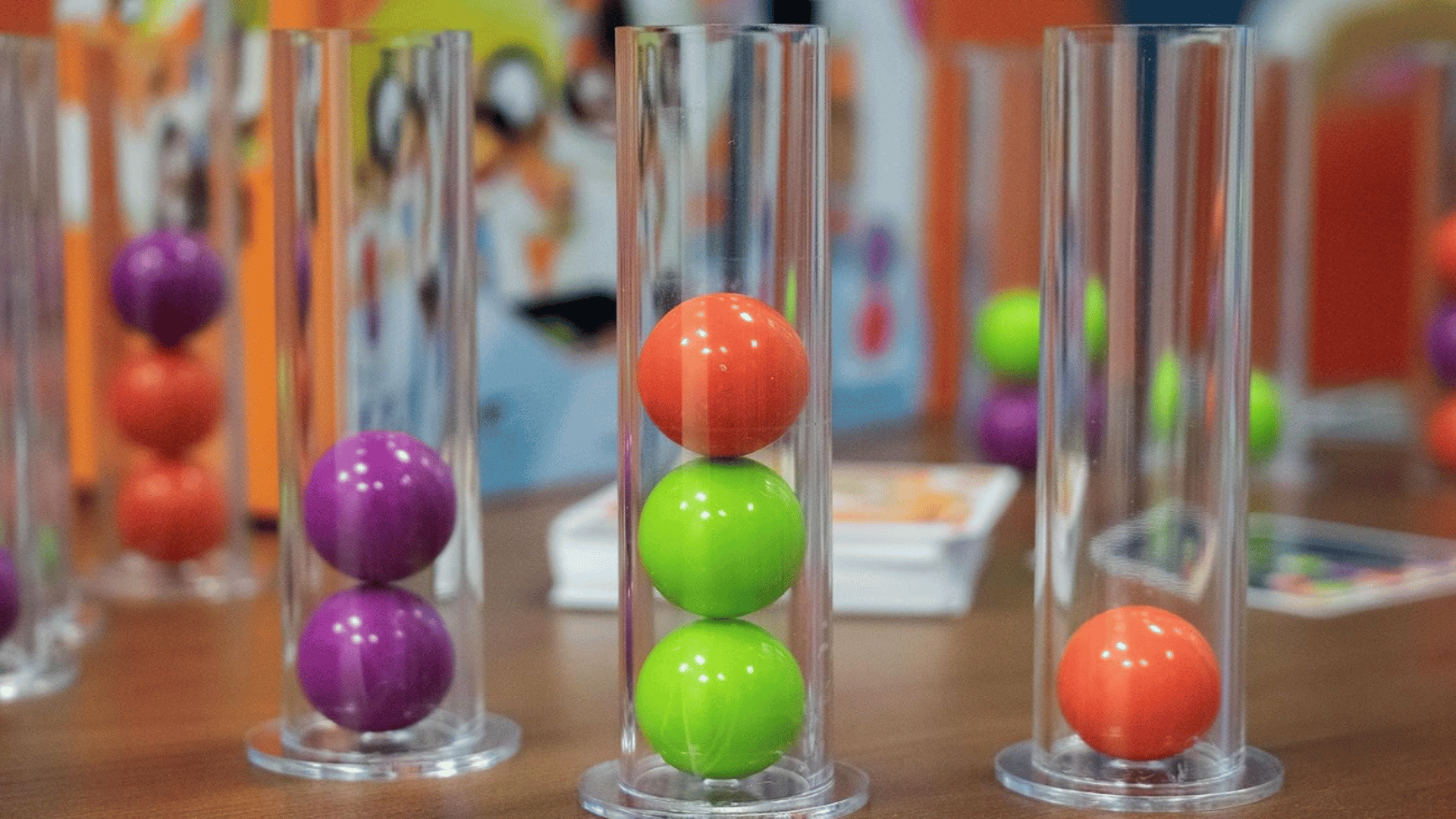
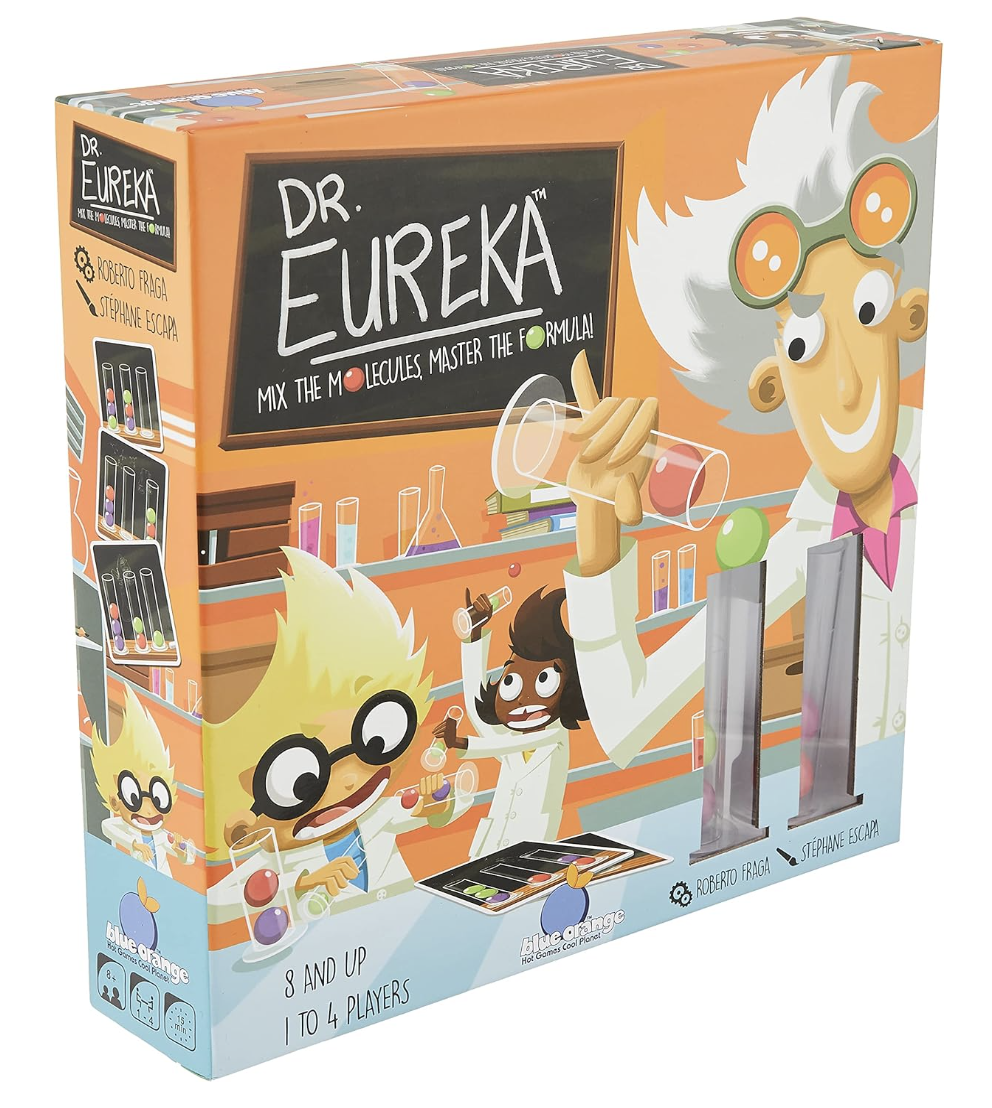
Dr. Eureka

3. Dr. Eureka

Pour colored balls between test tubes without touching them — sounds easy until it isn’t. Builds fine motor skills and flexible thinking. Also hilarious under pressure.

Grab the Game on Amazon


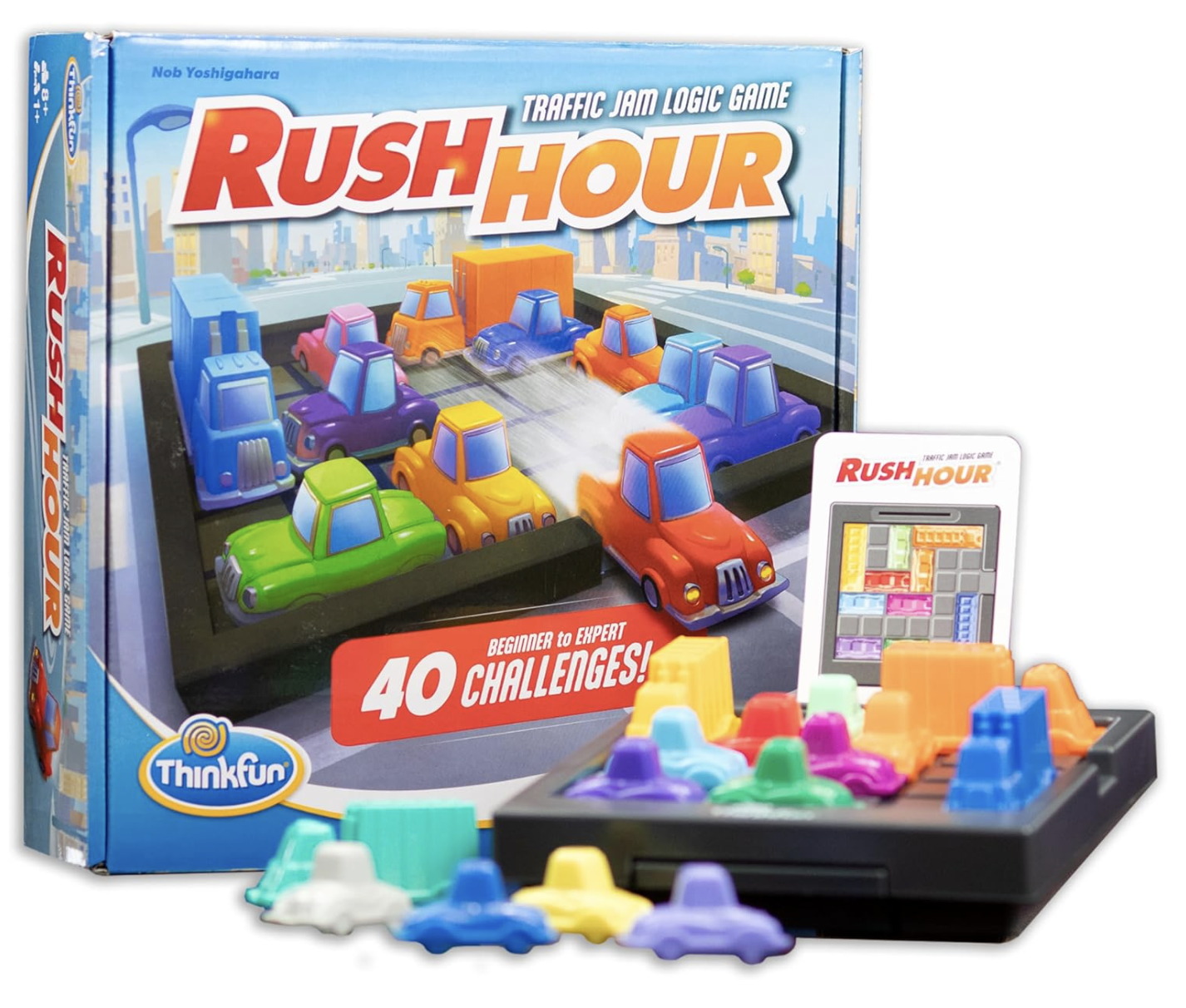
Rush Hour

4. Rush Hour

A traffic jam puzzle game where players slide cars to free the trapped one. Teaches spatial reasoning, patience, and grit. Bonus: solo play means quiet time for parents.

Grab the Game on Amazon


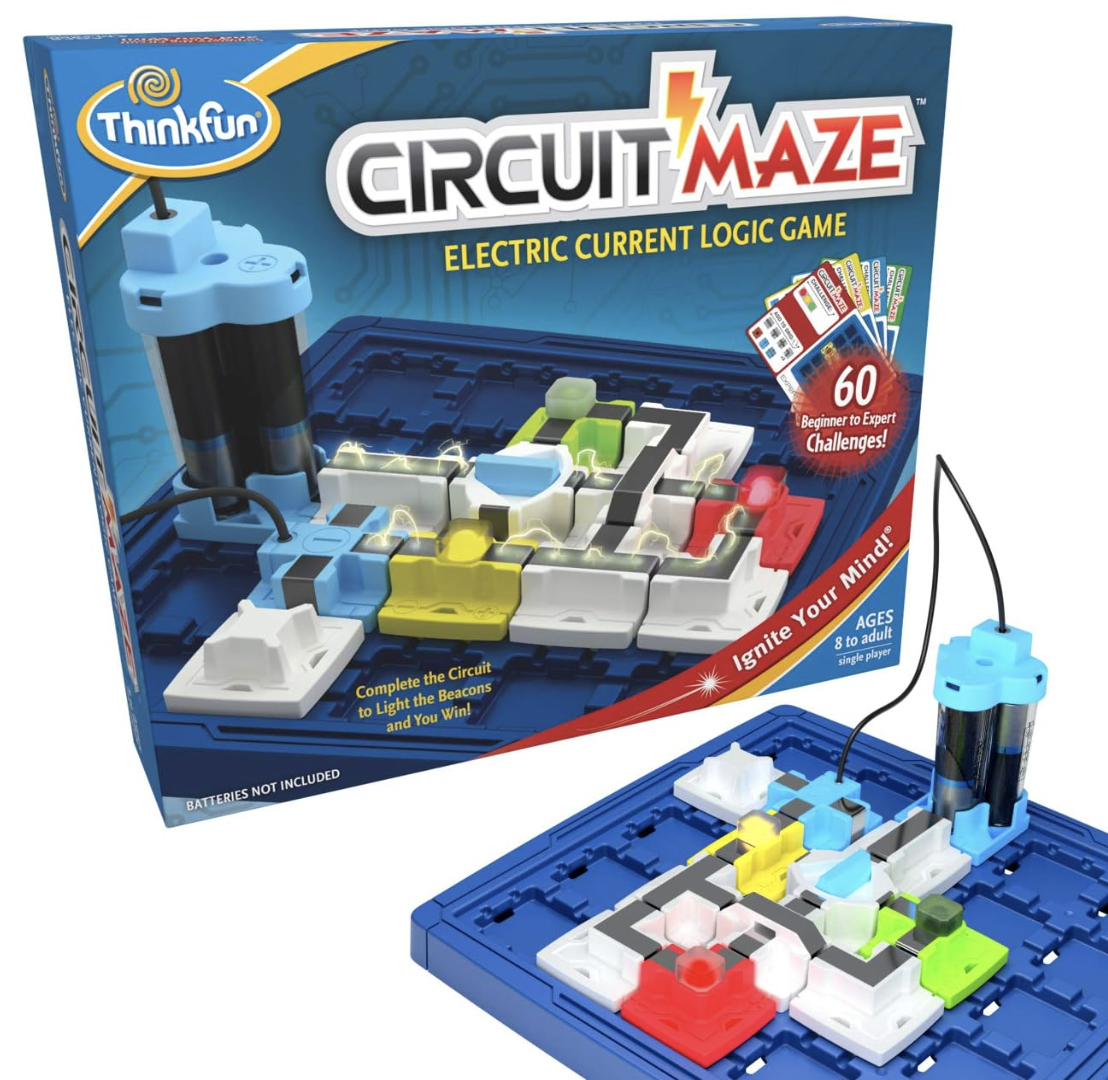
Circuit Maze

5. Circuit Maze

Kids learn how electricity works by lighting up circuits to complete challenges. It’s hands-on science made fun — and they’ll feel like tiny engineers.

Grab the Game on Amazon


🎲 Guru Tip: Let your kids “teach” you how to play. Explaining the rules boosts their confidence and reinforces what they’ve learned.

More from Tabletop Gurus

Continue reading

Cooperative Board Games That Teach Teamwork AND Save Game Night

Cooperative Board Games That Teach Teamwork AND Save Game Night

Say goodbye to sibling rivalry — and hello to teamwork. These cooperative games teach strategy, empathy, and problem-solving while keeping game night fun for everyone.

Cooperative Board Games That Teach Teamwork

Tired of game nights that end with someone storming off? We’ve been there. That’s why cooperative games are pure magic — everyone wins or loses together.

Here are a few of our favorite peacekeeping picks:


Outfoxed

1. Outfoxed!

Yes, it’s back — because it’s that good. This is the gateway co-op game for kids. You all work together to solve the mystery before the fox escapes. Simple setup, great replay value, zero tears.

Find Outfoxed! on Amazon


Forbidden Island

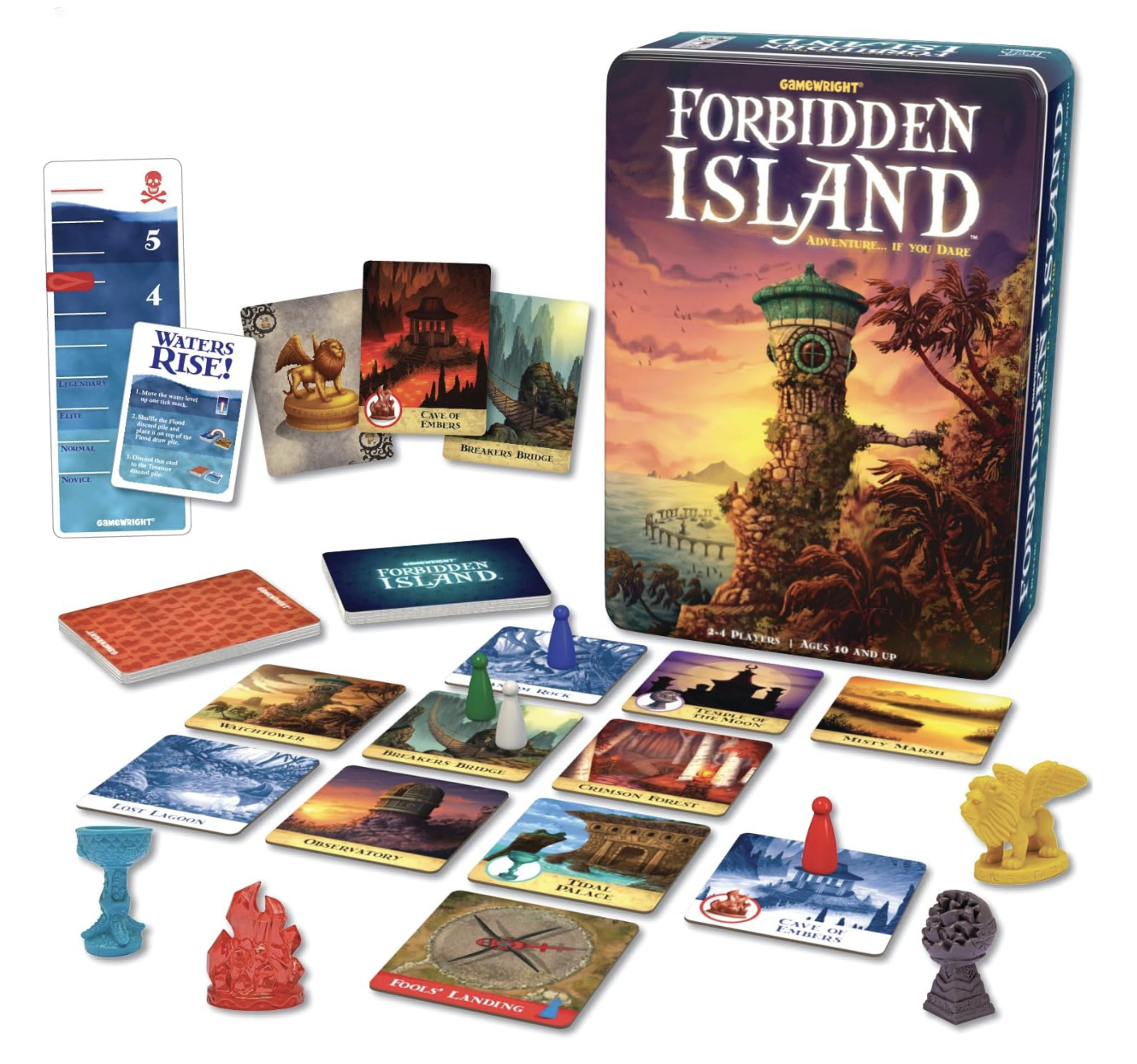
2. Forbidden Island

A visual stunner that teaches teamwork under pressure. The island is sinking, and you have to grab the treasures before everything disappears. Great for ages 8+ who love problem-solving and drama.

Find Forbidden Island on Amazon


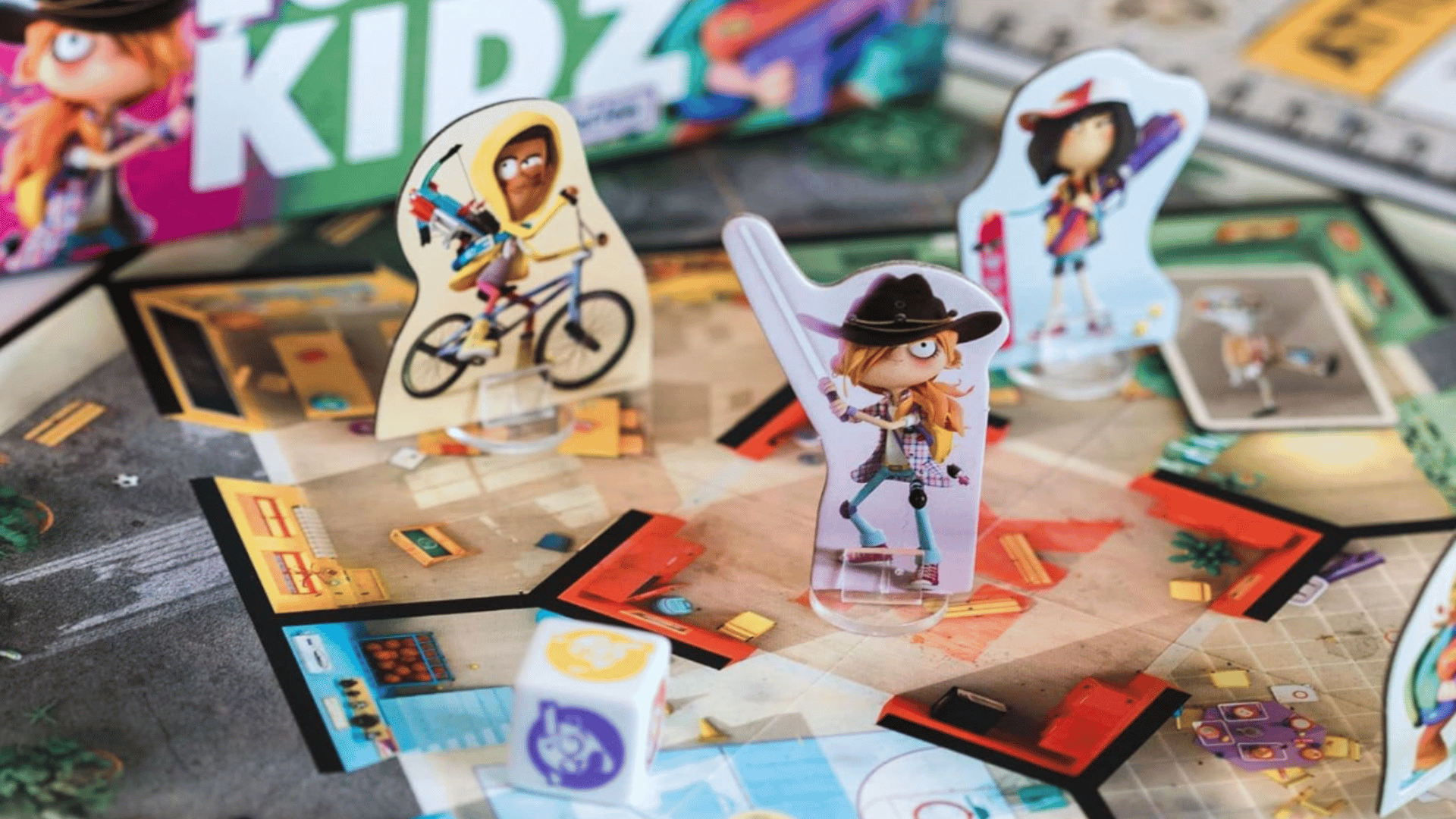
Zombie Kidz Evolution

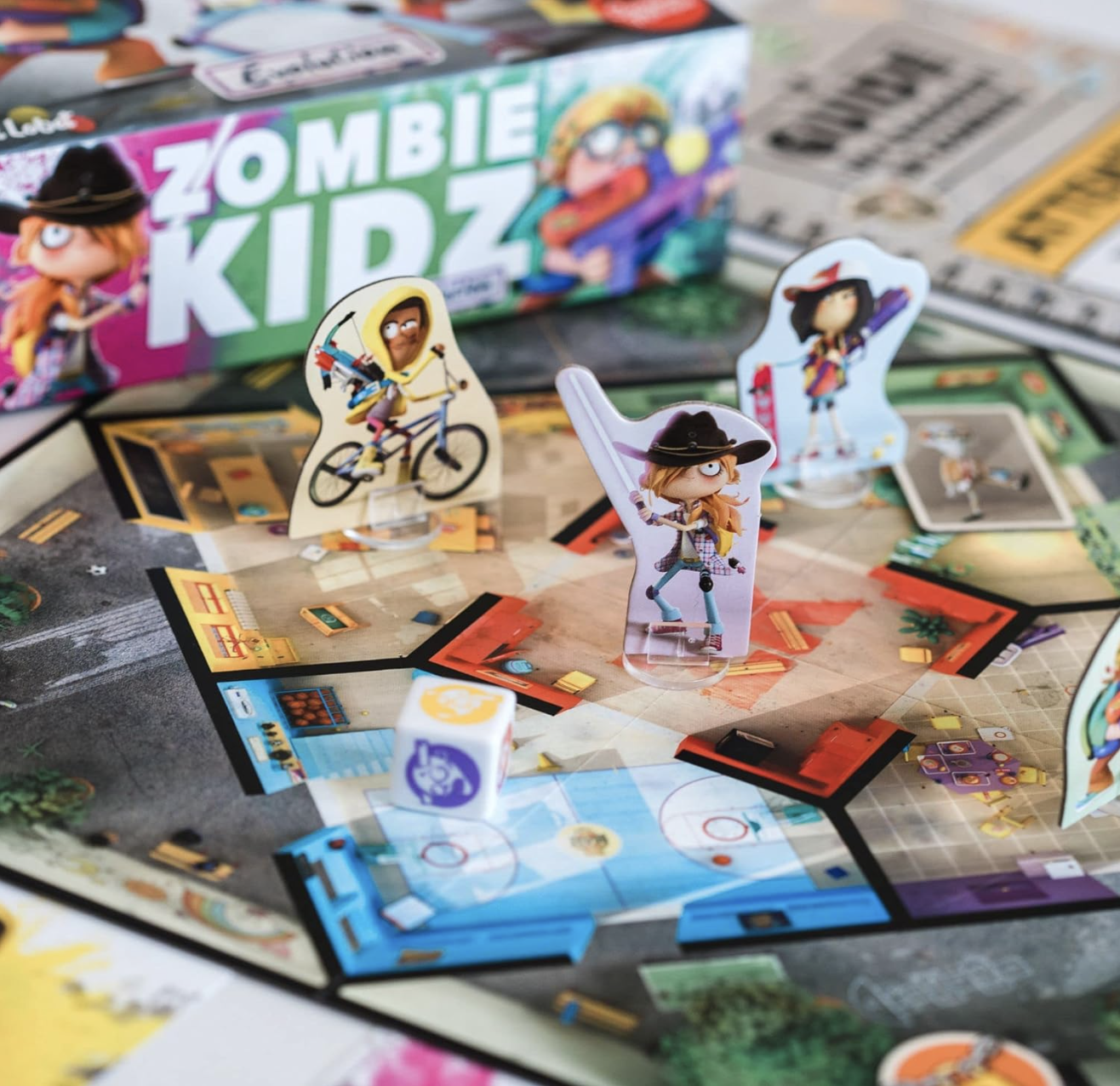
3. Zombie Kidz Evolution

Co-op meets campaign mode. Kids defend their school from zombies (adorable ones, promise) — and the game actually evolves as you play, with stickers and new powers. It’s teamwork with bragging rights.

Find Zombie Kidz Evolution on Amazon


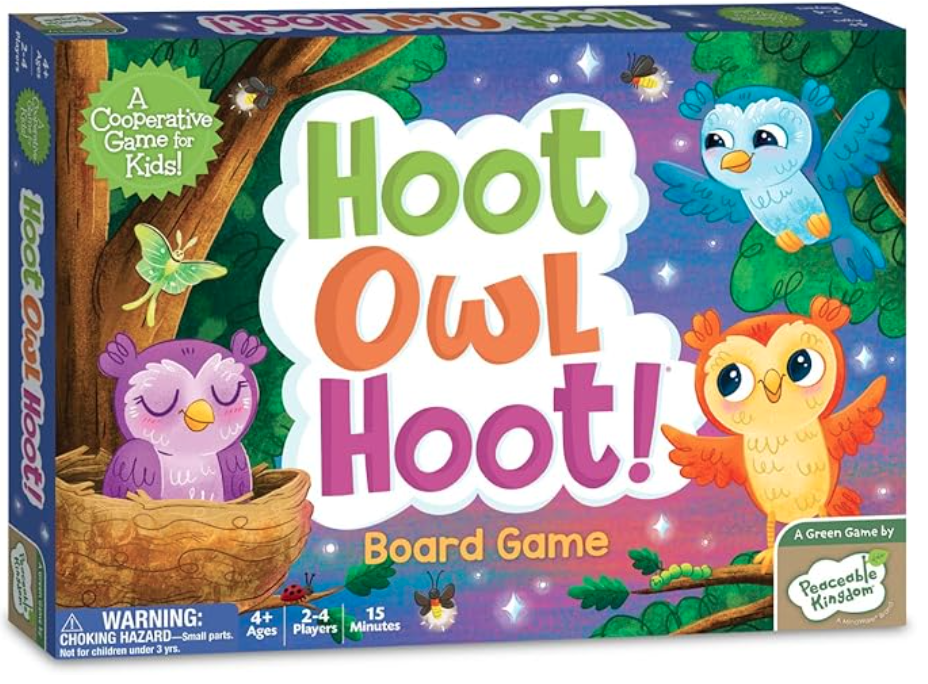
Hoot Owl Hoot!

4. Hoot Owl Hoot!

A great starter co-op for younger players. Help the owls fly back to their nest before sunrise. It’s simple, colorful, and teaches turn-taking and shared goals — no reading required.

Find Hoot Owl Hoot! on Amazon


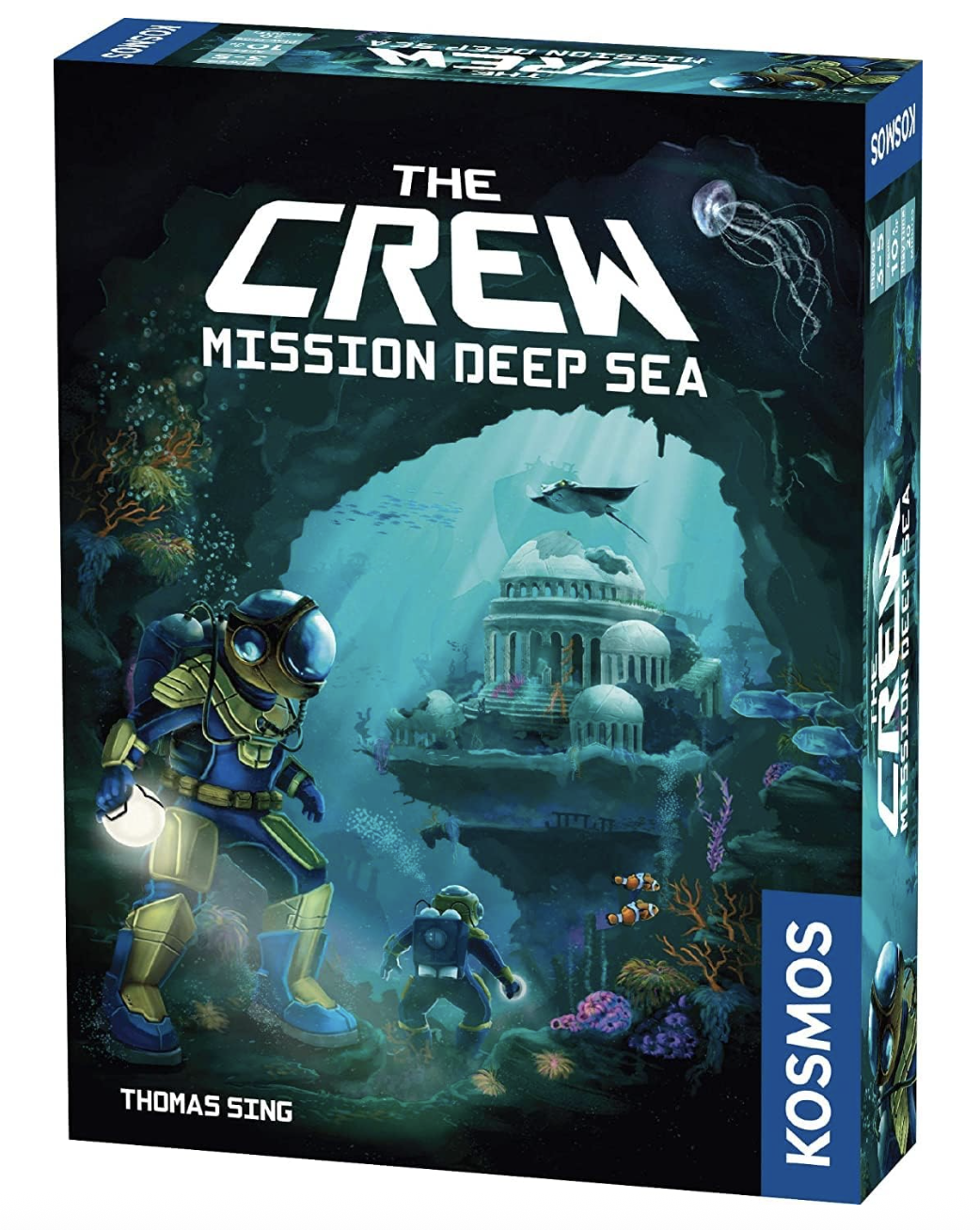
The Crew

5. The Crew

Older kids (and parents) will love this one. A cooperative trick-taking card game where communication is limited — and that’s the challenge. Feels smart, strategic, and deeply satisfying when you pull it off.

Find The Crew on Amazon


🎲  Guru Tip: Let your most competitive player be “team captain.” They’ll still get to lead — without steamrolling everyone else.

More from Tabletop Gurus

Continue reading

Best Board Games for 6-Year-Olds (That Parents Actually Enjoy Too)

Best Board Games for 6-Year-Olds (That Parents Actually Enjoy Too)

Discover fun, easy-to-learn board games for 6-year-olds that you’ll love playing too. Less screen time, more giggles — and no tears over who wins.

Best Board Games for 6-Year-Olds

Let’s be honest — most “kids’ games” are… fine. Once. Maybe twice if you’ve had enough coffee.
But there are a few rare gems that hit the sweet spot: easy enough for a 6-year-old to master, fun enough for adults to actually want to play again.

Here are our top picks:


Outfoxed

1. Outfoxed

A cooperative mystery game where you all work together to solve who stole Mrs. Plumpert’s pot pie. Think Clue, but faster, friendlier, and with more adorable foxes. Kids feel smart solving clues, and parents won’t lose their sanity explaining the rules for the fifth time.

Grab the Game on Amazon


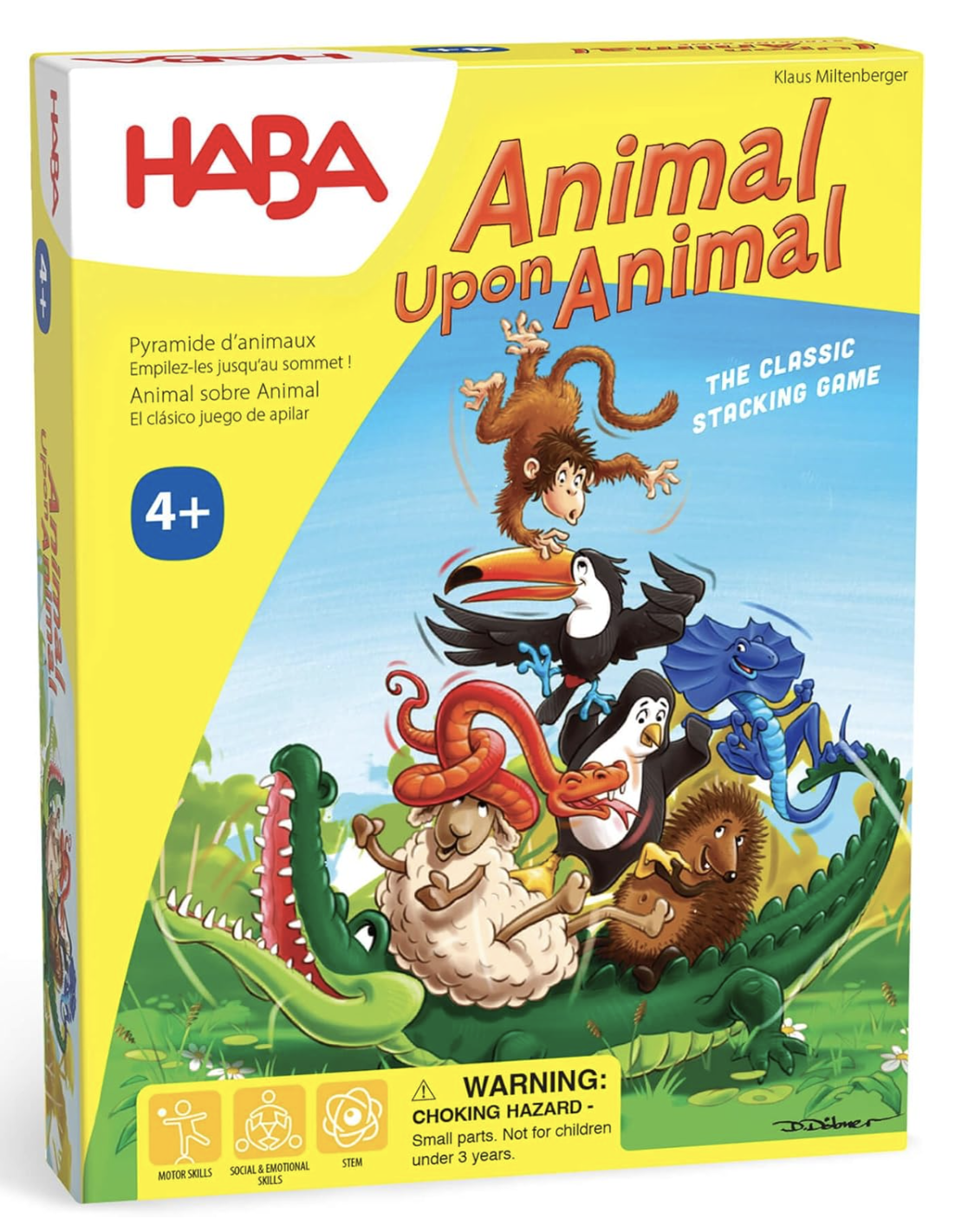
Animal Upon Animal

2. Animal Upon Animal

A dexterity stacking game with wooden animals that somehow turns into 20 minutes of pure joy (and chaos). Great for fine motor skills, patience, and laughing when everything topples over — again.

Grab the Game on Amazon


Rhino Hero

3. Rhino Hero

Imagine if Jenga met superheroes. Players build a tower from cards, and then move a tiny wooden rhino up the levels. It’s tense, silly, and surprisingly competitive. Perfect for kids who love building and balancing.

Grab the Game on Amazon


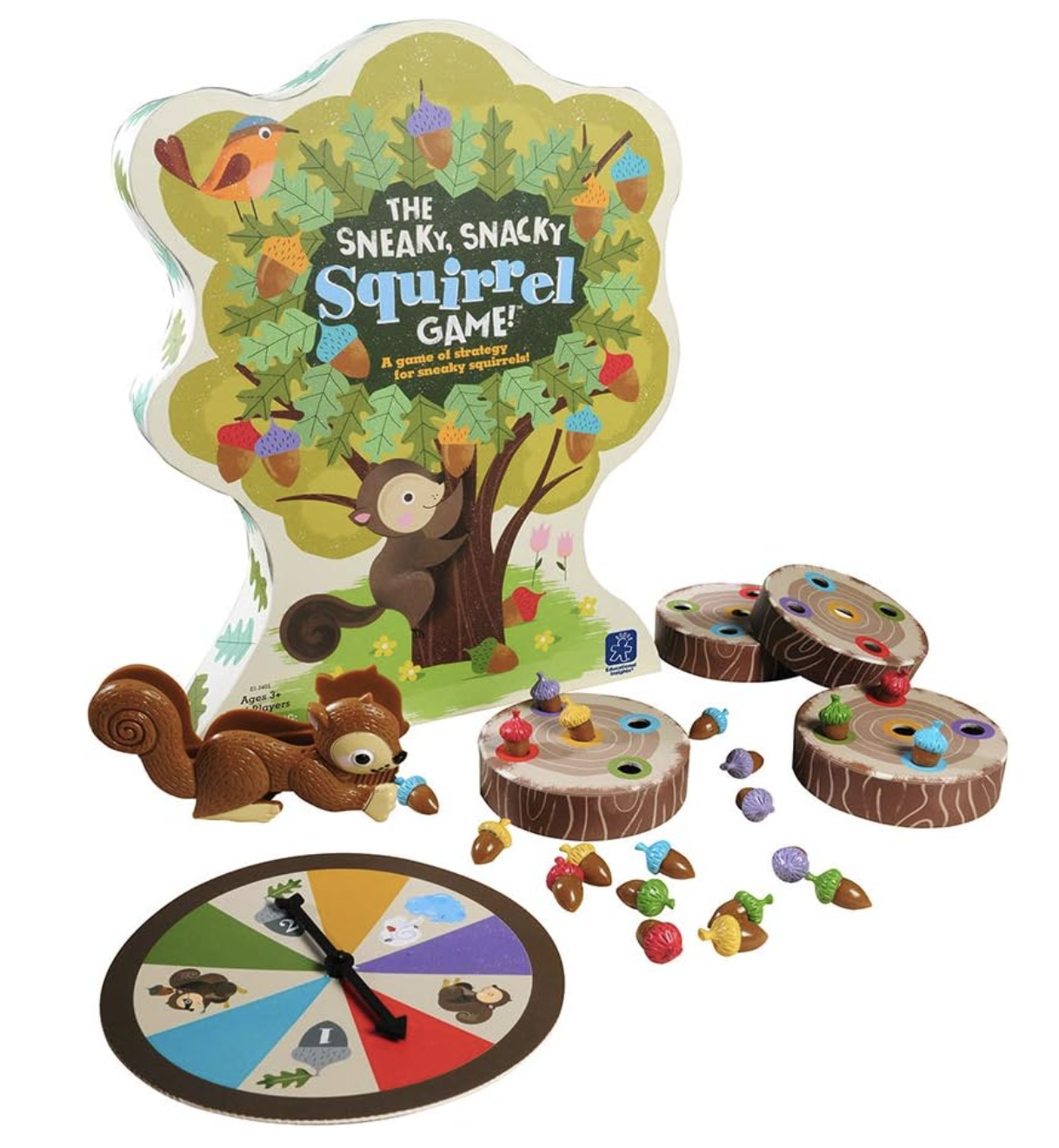
The Sneaky, Snacky Squirrel Game

4. The Sneaky, Snacky Squirrel Game

Color matching and fine motor skills in one adorable package. Great for younger 6-year-olds or mixed ages. Also, the little squirrel grabber? Instant hit.

Grab the Game on Amazon


🎲 Guru Tip: Keep a few of these games handy for after-dinner energy spikes. They take 15 minutes or less, which means everyone wins — even bedtime.

More from Tabletop Gurus

Continue reading

Board Game Accessories You Didn’t Know You Needed

Board Game Accessories You Didn’t Know You Needed

Level up game night with the best board game accessories you didn’t even know existed. From organizers to upgrades, these essentials make every game smoother (and way more fun).

.

Board Game Accessories You Didn’t Know You Needed

Let’s be honest — the right accessory can turn a good game night into a great one. And the wrong setup (hello, flying cards and lost tokens) can turn Catan into chaos.
If you’ve been playing board games for a while, you already know the little frustrations. Tiny baggies that rip, disorganized boxes, endless setup time. But here’s the good news: there’s an accessory for everything.
Whether you’re a casual gamer or a full-blown shelf-of-shame collector, here are the upgrades that actually make game night better.


Game Organizers & Inserts

Say goodbye to box chaos. Inserts keep every token, tile, and mini right where it belongs. They make setup 5x faster and cleanup almost painless.

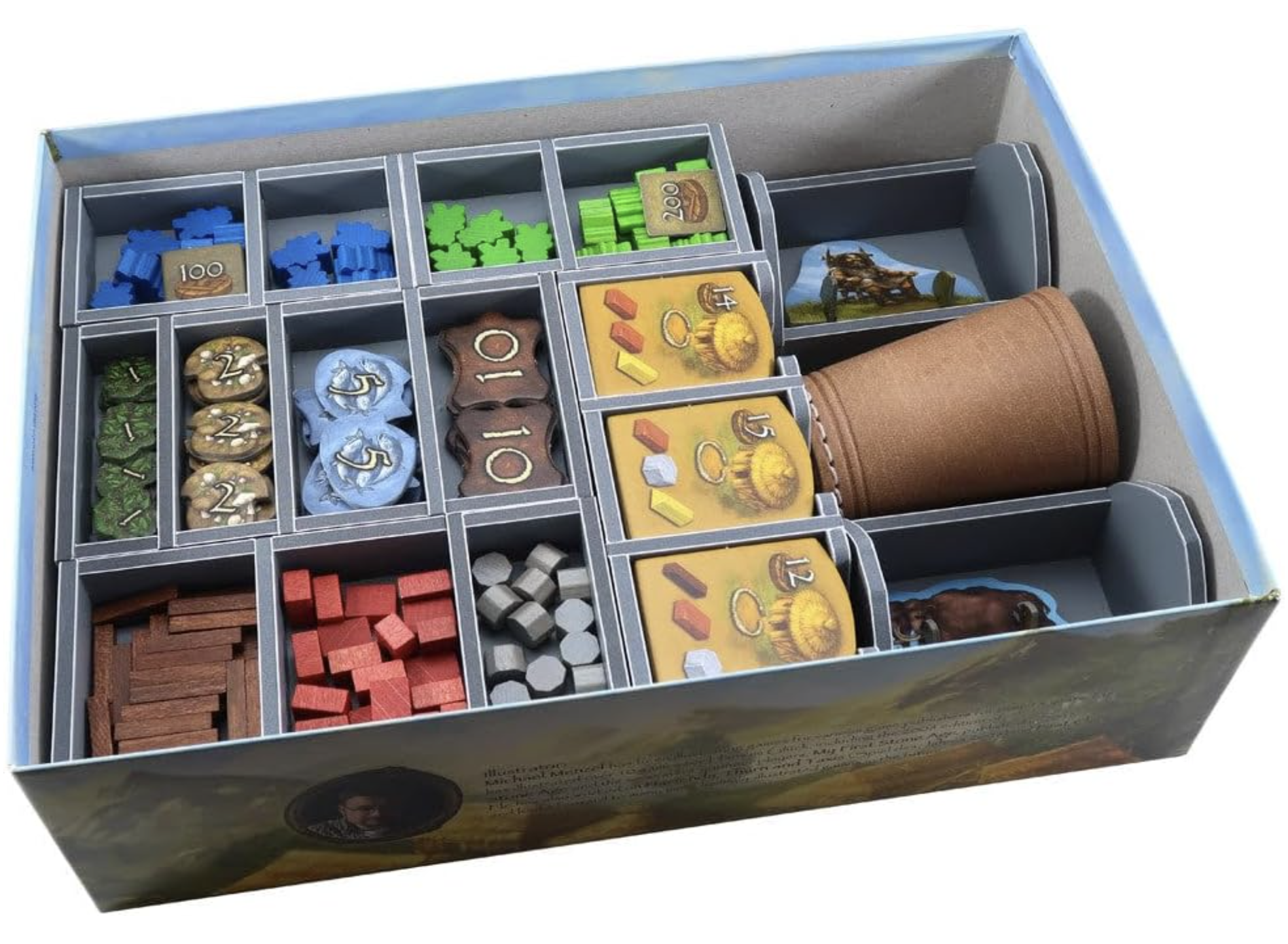
space foam core organizers

Foam Core Organizers

Try foam core organizers for a lightweight, budget-friendly way to keep all your tokens, cards, and minis in perfect order. They’re easy to assemble and won’t add bulk to your game boxes.

Find Foam Core Organizers on Amazon

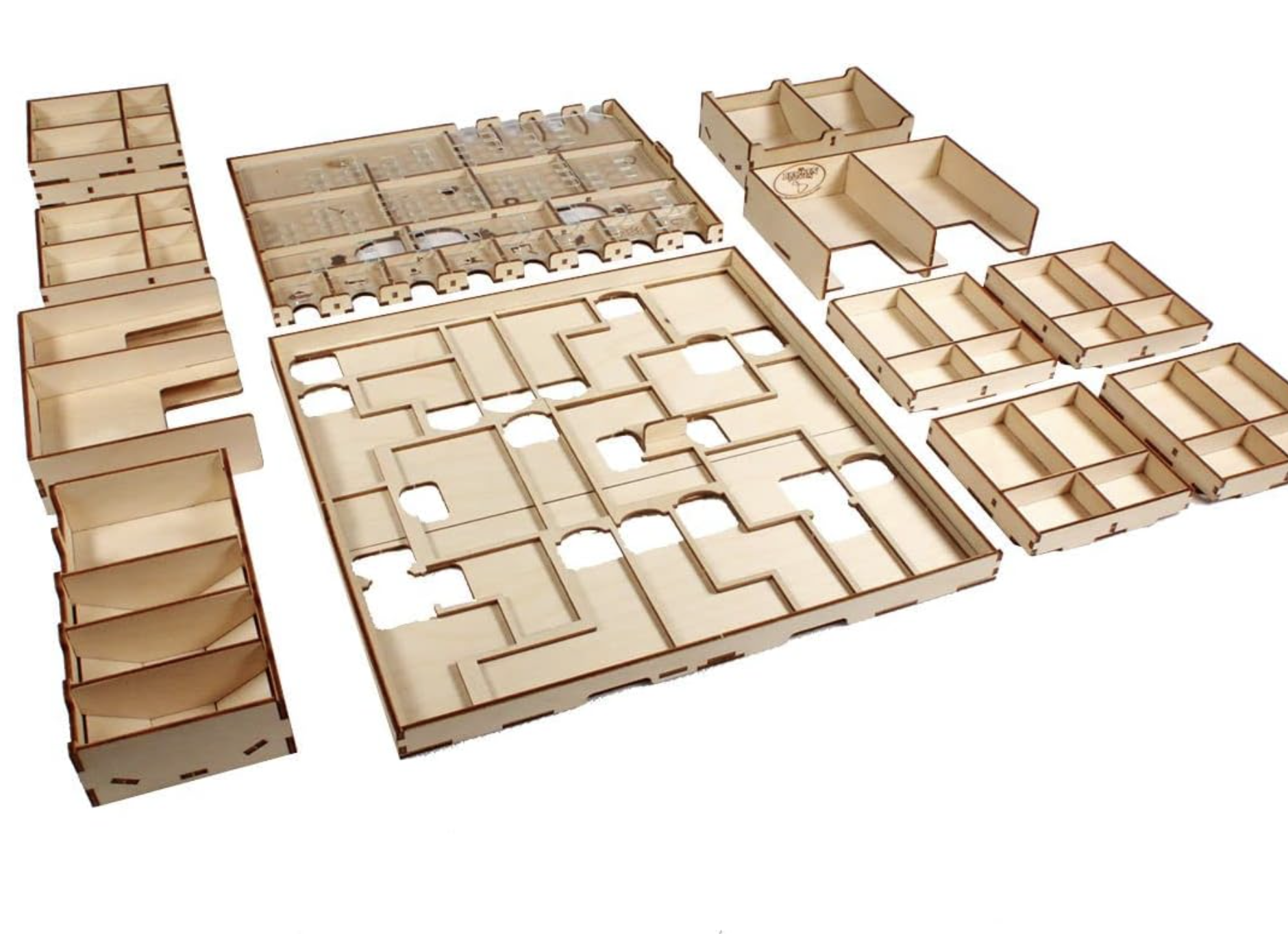
Broken Token wooden inserts

Wooden Inserts

For a more premium touch, upgrade to Broken Token wooden inserts — beautifully crafted organizers that make setup and cleanup almost as satisfying as the game itself. Both styles are available on Amazon and fit a wide range of popular board games.

Find Wooden Inserts on Amazon


Card Sleeves

They’re not glamorous, but they’re essential. A few shuffles without sleeves and your favorite cards start looking … well-loved.

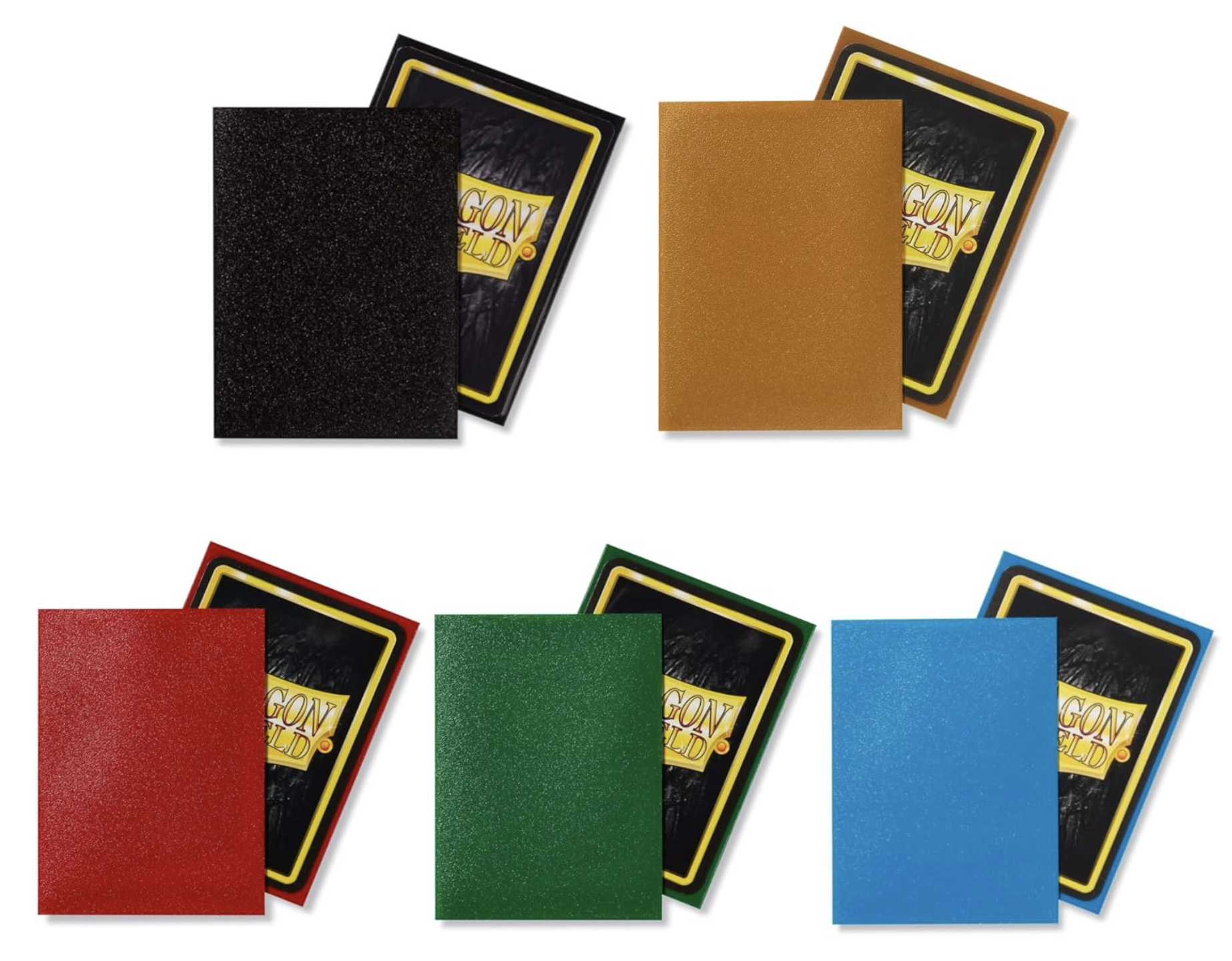
Dragon Shield Card Sleeves

Dragon Shield Card Sleeves

Protect your cards (and your sanity) with Dragon Shield Sleeves, available on Amazon. These fan-favorite sleeves are known for their durability, smooth shuffle feel, and long-lasting clarity. With dozens of color options, you can match every deck to your style — or your faction loyalty.

Find these card sleeves on Amazon


Battle Game Mats & Table Covers

Game mats are fun to use because they bring your favorite game or card game to life. They add color, texture and a professional feel to your setup. Make every game feel a little more special, and a lot more immersive.

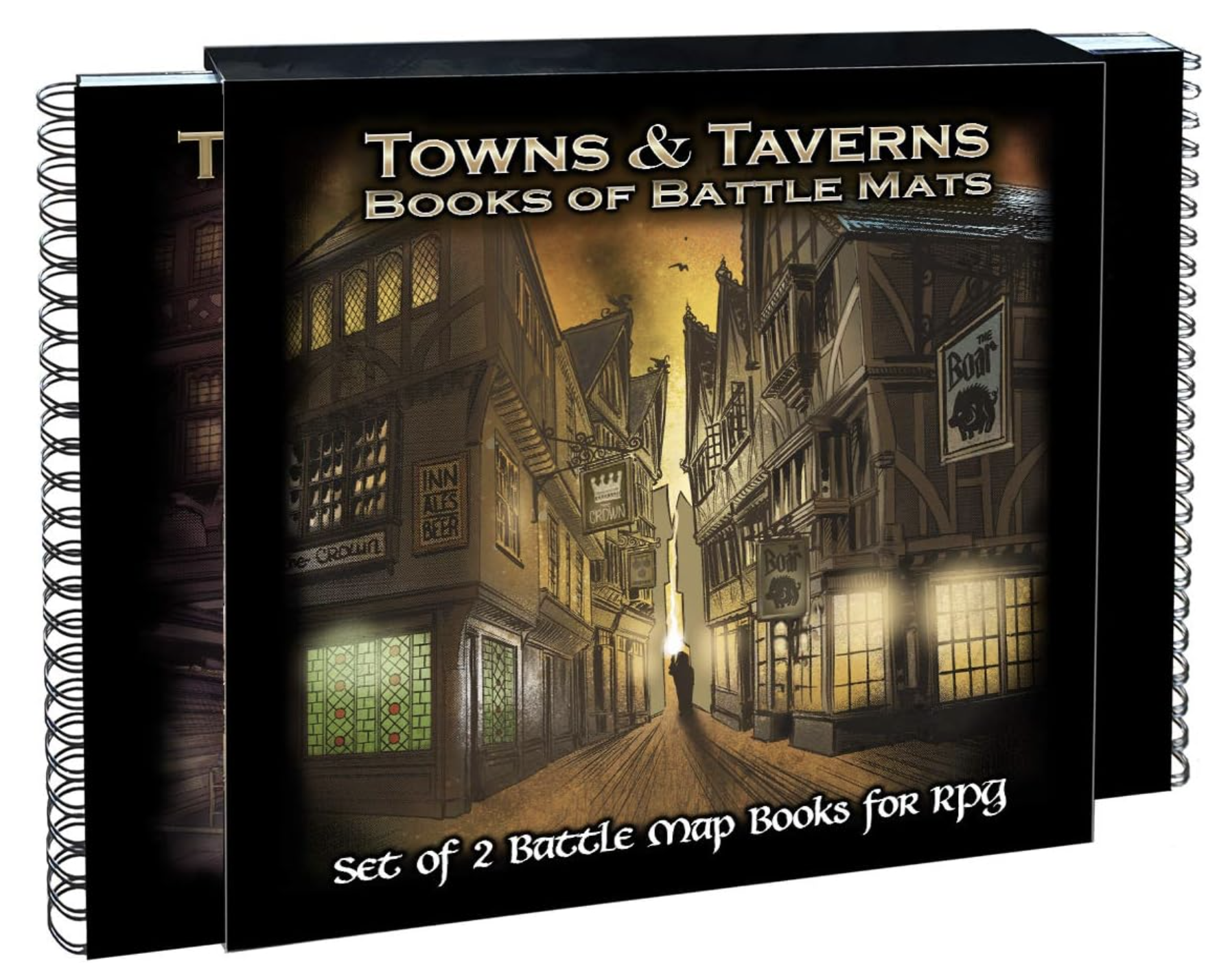
Loke Battle Mats

Loke Battle Mats

Bring your tabletop adventures to life with Loke Battle Mats, like the Towns & Taverns edition found on Amazon. Each spiral-bound book folds flat to reveal beautifully illustrated, wipe-clean maps that instantly elevate your RPG sessions. Perfect for DMs who want immersive worlds without hours of setup.

Fiind Loke Battle Mats on Amazon


Dice Towers & Trays

No more runaway dice or dented tables. Towers keep the rolls fair; trays keep them quiet. It’s one of those upgrades you don’t realize you need until you use it once.

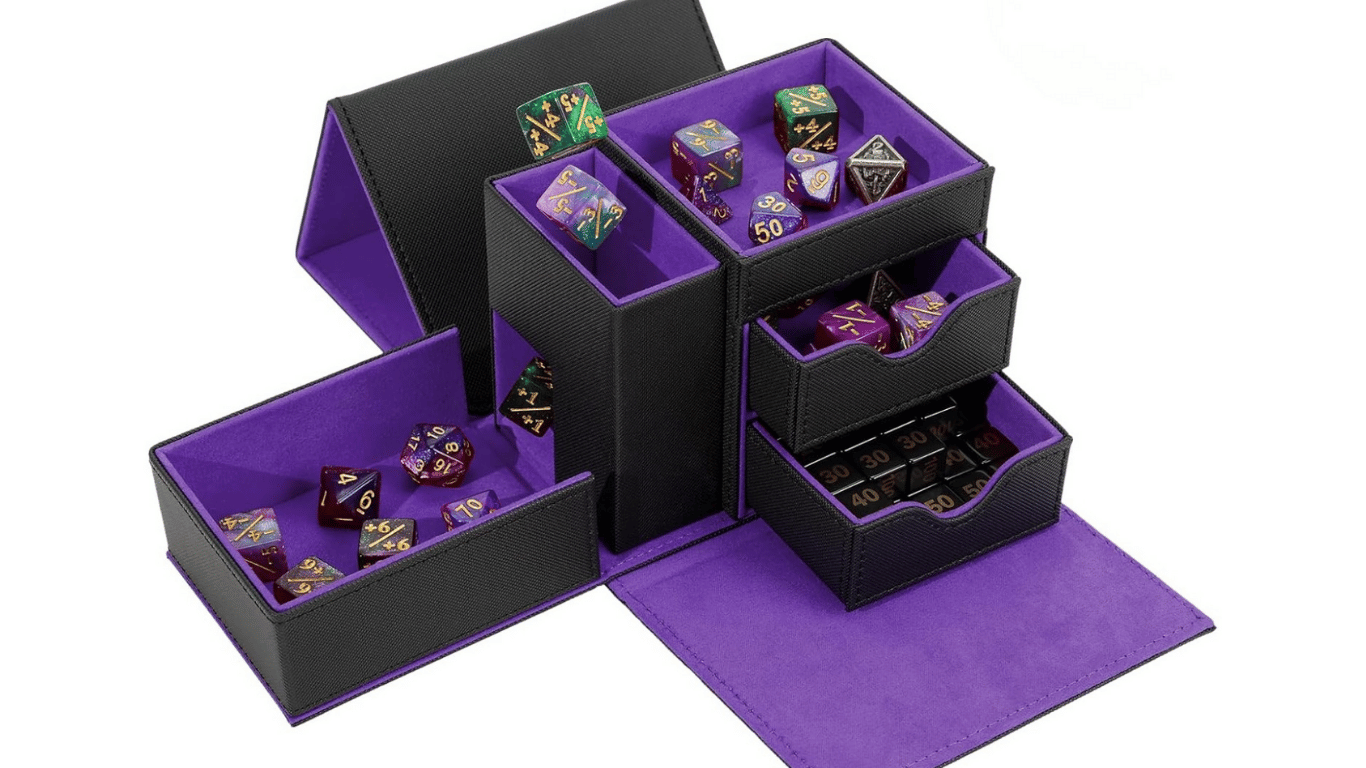
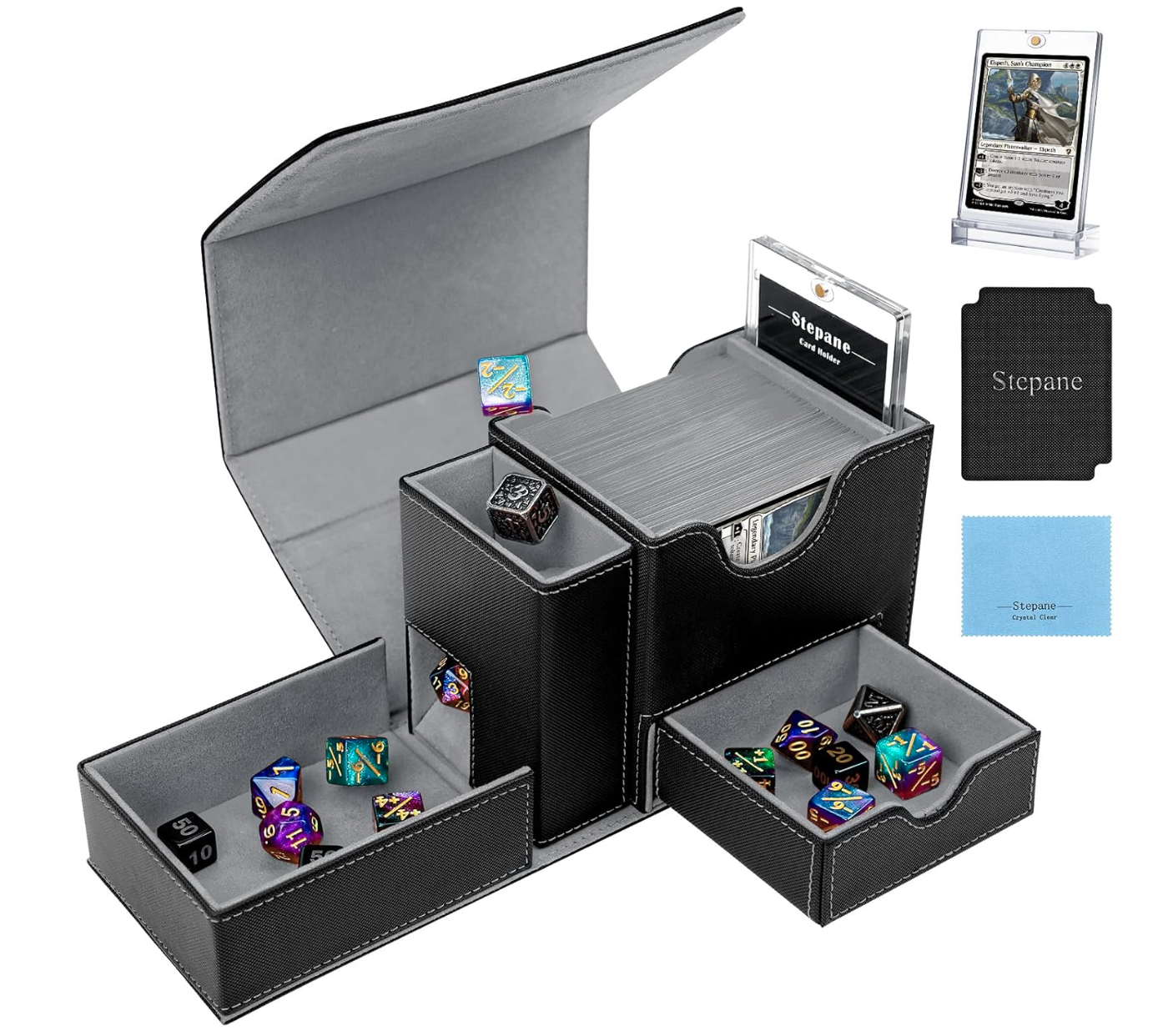
Deck Box with a Commander Display and Dice Tower

MTG Deck Box with Commander Display and Dice Tower

Keep your decks and dice protected with the MTG Deck Box with Commander Display and Dice Tower, available on Amazon. It fits up to 100 double-sleeved or 220 unsleeved cards, includes a built-in dice tray, and is scratch-resistant and portable — perfect for Magic nights on the go.

Find this Dice Tower and Deck Box on Amazon

Board Game Accessories You Didn’t Know You Needed

3-in-1 Dice Tower and Tray Set

Or, try a 3-in-1 Dice Tower and Tray Set, complete with a storage drawer and rolling platform. Whether you’re at home or traveling to a tournament, these compact towers keep your rolls fair and your dice in check.

Find this Dice Tray on Amazon


Component Upgrades

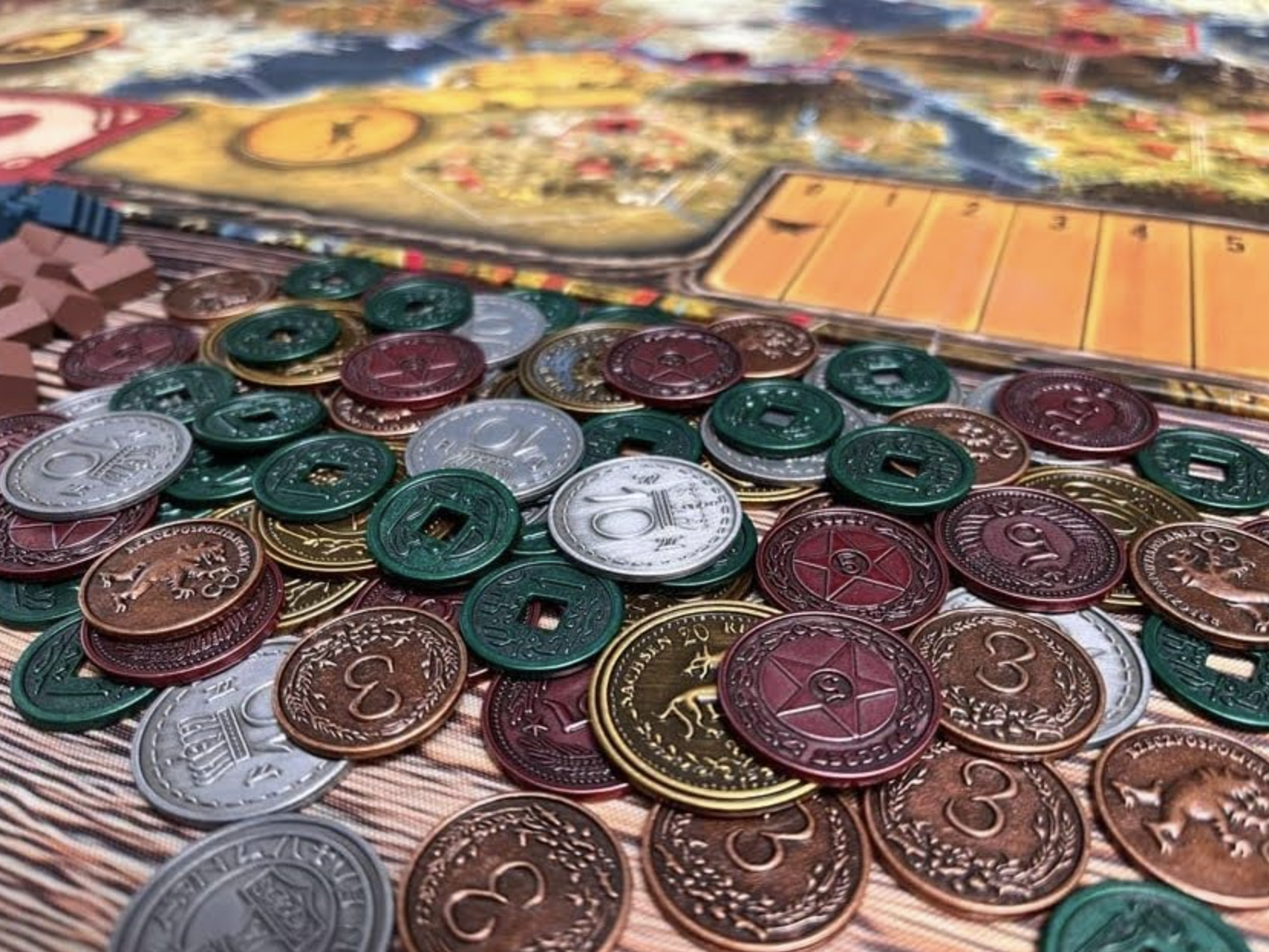
Replace flimsy cardboard coins with metal ones. Swap generic tokens for custom minis or realistic resources. It’s all about immersion — these tiny touches elevate your favorite games instantly.

Metal Coins

Metal Coins

Add a little luxury to your next game night with Stonemaier Games Metal Coins — solid, weighty pieces that make every purchase, trade, or treasure find feel that much more satisfying.

Find Metal Coins on Amazon

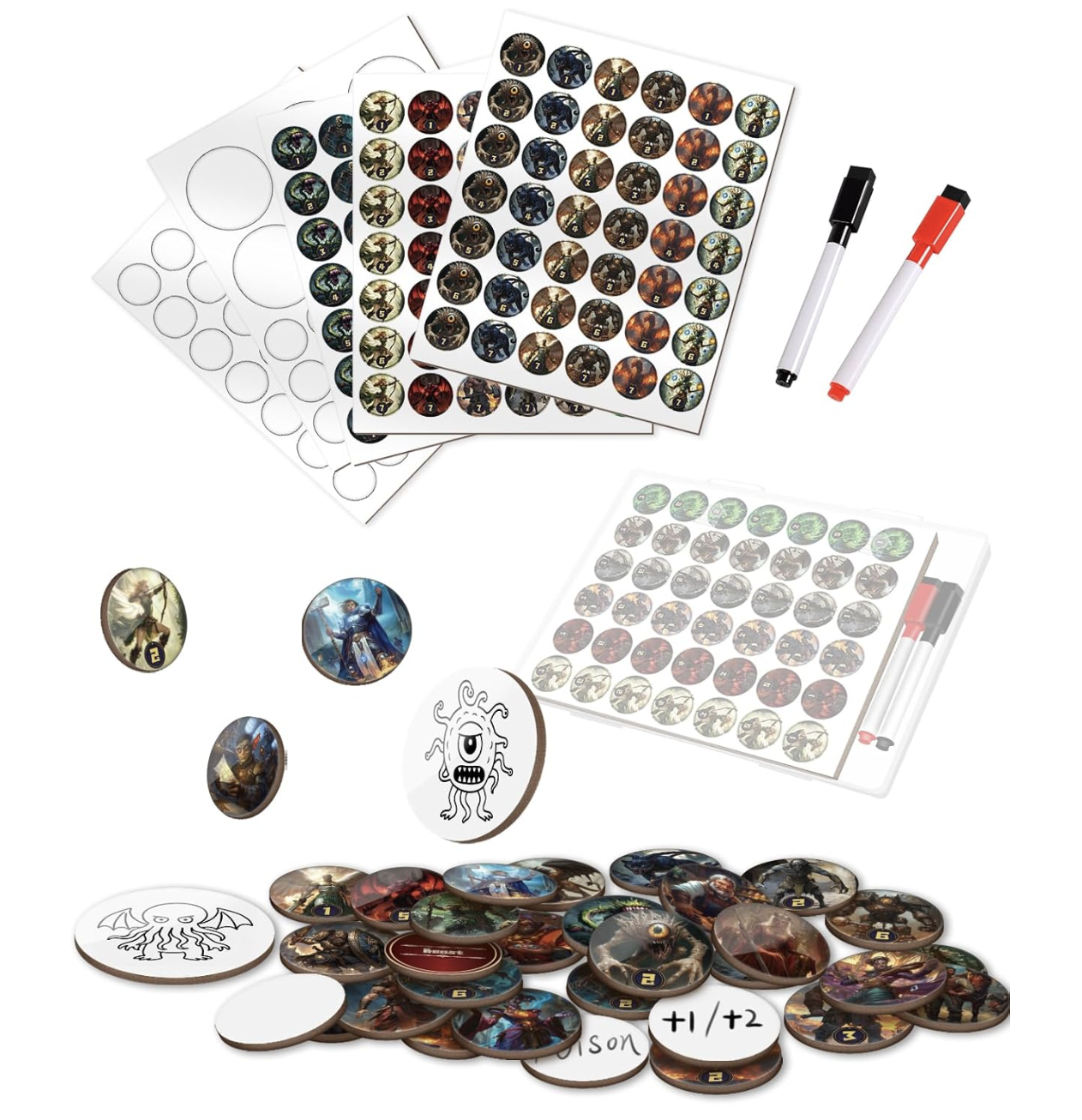
Dry-Erase Token Set

Dry-Erase Token Set

Pair them with a Dry-Erase Token Set, also available on Amazon, to replace paper trackers and clutter with a clean, reusable upgrade. Both options combine function with serious table appeal.

Find this Dry-Erase Token Set on Amazon


Lighting & Ambiance

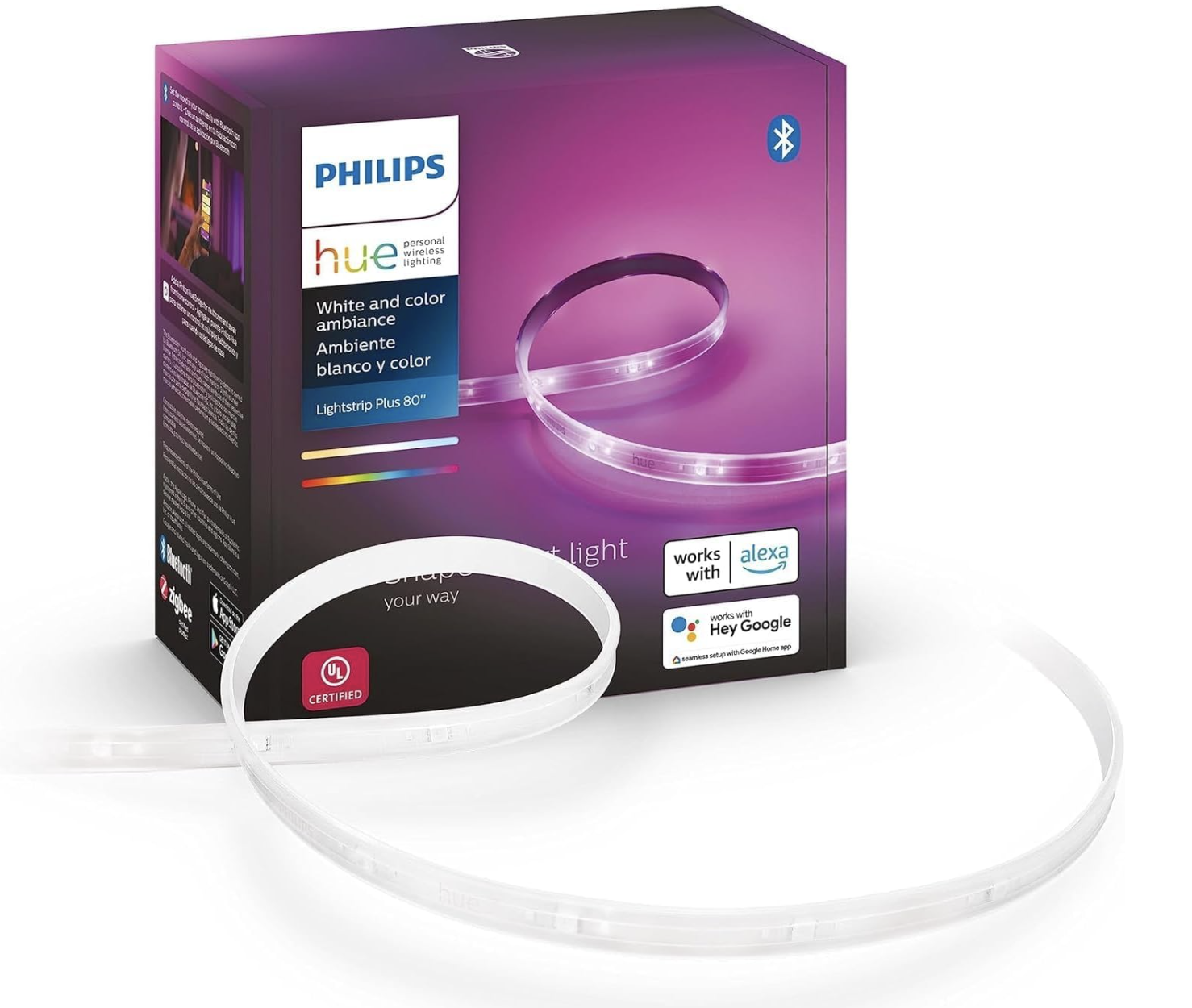
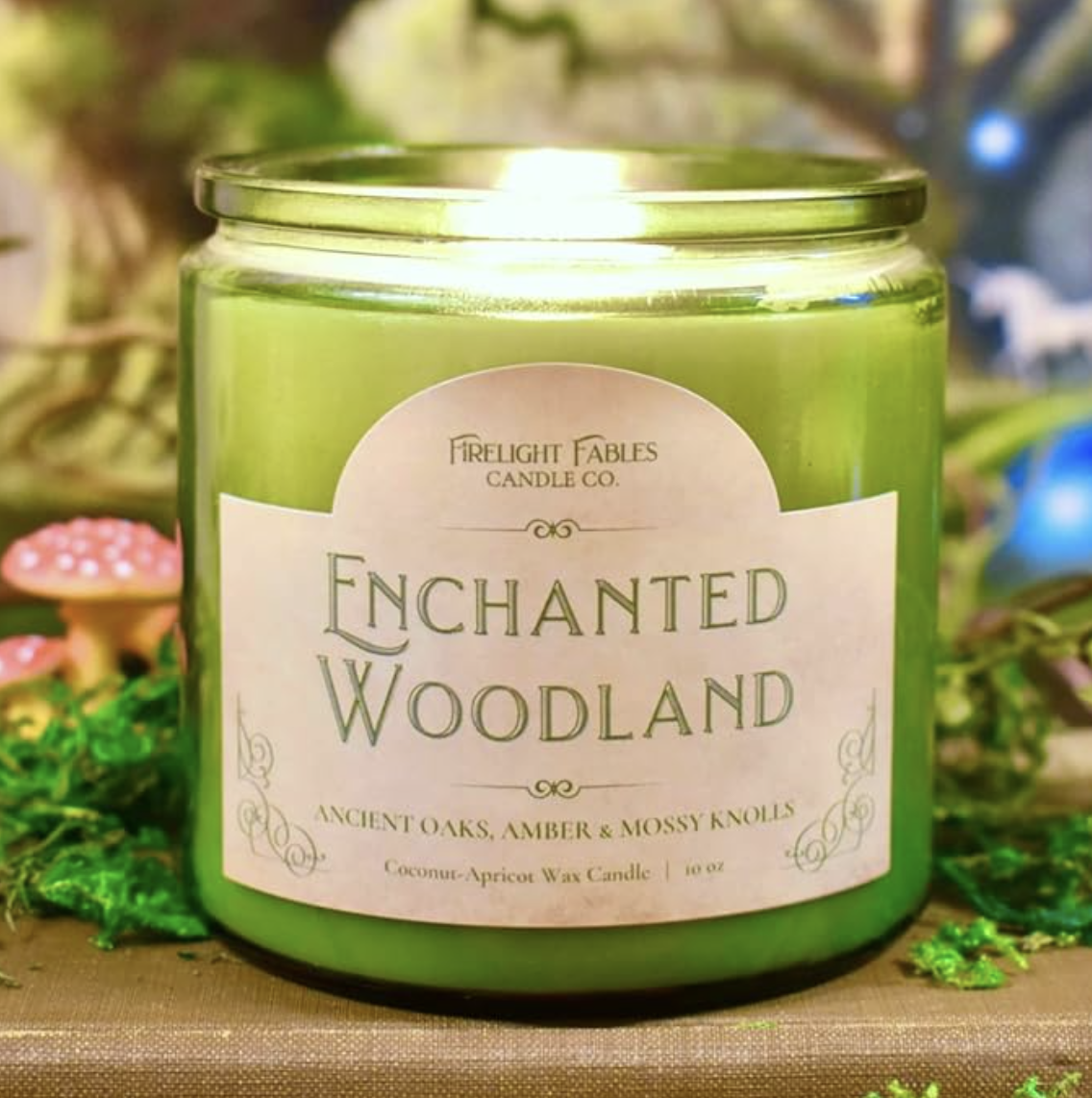
A little mood lighting sets the tone. Warm light for cozy family games; LEDs for sci-fi adventures. Bonus points for candles that smell like adventure (yes, that’s a thing).

Philips Hue Light Strip

Setting the Mood

Set the perfect gaming mood with a Philips Hue Light Strip, letting you adjust your lighting to match the tone of your game — from cozy tavern glow to sci-fi neon.

Find this Philips Hue Light Strip on Amazon

tabletop RPG candles

An Atmospheric Touch

Or, for a more atmospheric touch, try tabletop RPG candles, crafted to evoke immersive scents like “Dungeon,” “Forest,” or “Wizard’s Study.” They’re a simple way to make every session feel like a cinematic experience.

Find this Enchanted Woodland Candle on Amazon


Looking for the perfect gift for the gamer in your life? You don’t need to go big. Start with something simple like sleeves, trays, or an insert for their favorite game. These small upgrades add a touch of polish (and a lot less chaos) to every playthrough. Because sometimes, the best gift isn’t a brand-new game. It’s making the ones they already love even more enjoyable.

More from Tabletop Gurus

Continue reading

How to Teach Board Games Without Losing Your Mind

How to Teach Board Games Without Losing Your Mind

Teaching board games doesn’t have to be stressful. Here’s how to explain rules, keep players engaged, and actually have fun on game night.

How to Teach Board Games Without Losing Your Mind

We’ve all been there. You’ve invited friends over for a cozy game night. You’ve picked out something fun. Something that’s not too complicated, but enough to keep things interesting. Then, ten minutes in, you’re three rule explanations deep, your friends are glazing over, and someone just asked, “Wait … what are we trying to do again?”

Teaching board games can test your patience more than losing to a ten-year-old playing Uno. But it doesn’t have to be that way. Here’s how to make the process smoother, faster, and (dare we say) fun — for everyone involved, even your kids.

Pick the right game for your group

Before the rules even hit the table, know your audience.

If you’re teaching a group of casual players, Twilight Imperium probably isn’t the move. Start with something approachable — Catan, Ticket to Ride, or Azul. These games have clear goals, short turns, and easy-to-grasp mechanics that still feel rewarding. Proof’s in the pudding – Catan became our gateway game.

If your players are more experienced, then sure, break out the heavy hitters. Just remember: your goal isn’t to impress them with complexity — it’s to get everyone playing together.

Skip the rulebook (at least at first)

Nothing kills game night faster than someone reading the rulebook word-for-word.

Instead, learn it ahead of time and walk players through the basics as you go. Start with the big picture: “Here’s what we’re trying to do and how you win.” Then work your way into the details as they come up.
People learn best by doing, not by sitting through a lecture.

Use examples — real ones

If you can demonstrate a turn, do it. Show how movement works, what a trade looks like, or how combat resolves. Abstract concepts click faster when players see them in action. And if someone’s confused, let them take a mock turn before things officially start. That little bit of hands-on practice can make the difference between smooth sailing and chaos.

Embrace mistakes

Someone will forget a rule. Someone will miscount resources. Someone will build their settlement where they weren’t supposed to.

It’s fine. Let it slide early, keep the game moving, and circle back later if needed. The goal of a first playthrough isn’t perfection — it’s enjoyment. Once everyone’s hooked, they’ll care more about getting it right next time.

Keep the energy up

Nobody wants to feel like they’re in class. Add humor, celebrate good moves, and keep things moving even if there’s a little confusion. If the vibe stays light, people are more likely to ask questions, stay engaged, and (most importantly) want to play again.

End on a win

Even if the first game is messy, celebrate the fun moments — the ridiculous trades, the surprise victories, the epic blunders. That’s what people remember. Not who technically won, but how it felt to play together.

Teaching board games is an art, not a science. It takes a mix of patience, people skills, and humor. But when you pull it off — when the table’s laughing, the game’s flowing, and everyone’s asking, “Can we play again?” — it’s worth every rule you stumbled through.

So next time, take a deep breath, grab your rulebook, and remember: you’re not just teaching a game, you’re building a new group of gamers.


More from Tabletop Gurus

Continue reading

How to Get Your Kids into Board Gaming (Without Bribing Them)

How to Get Your Kids into Board Gaming (Without Bribing Them)

Want to turn family nights into fun nights? Here’s how to get your kids into board gaming — no bribes, no boredom, just stories, laughter, and connection.

Remember when “family game night” meant pulling Sorry! out of the closet, realizing two pieces were missing, and spending half the night arguing about who cheated? Yeah, us too.

But something magical happens when you find the right game for your kids — the one that clicks, holds their attention, and maybe even sparks a little friendly competition. The trick is figuring out how to get there without turning it into homework.

Start with stories, not rules

Most kids don’t care about mechanics or strategy. They care about adventure. They want to feel like they’re part of a world, not trapped in a math problem disguised as fun.

Games like Outfoxed! or Sleeping Queens sneak in counting and logic, but they’re wrapped in stories that make sense to kids. There’s a mission, a mystery, or a dragon somewhere — and that’s what keeps them playing.

Keep it short (for everyone’s sanity)

Attention spans are … well, let’s just say they vary. Start with games that play in under 20 minutes. Let them win sometimes (yes, really).

The point isn’t to finish the game — it’s to make sure they want to play again next week.

Pick the right level of chaos

Every family has its own energy. Some thrive on noise and laughter. Others prefer a calmer vibe.

If your crew loves to joke and shout, go for party-style games like Throw Throw Burrito or Taco Cat Goat Cheese Pizza.

If you’ve got quiet thinkers, something like Dragonwood or Qwirkle hits the sweet spot — simple moves, colorful pieces, just enough strategy to feel grown-up.

Make it feel like an event

Pizza night? Perfect excuse for a game. Lazy Sunday afternoon? Build a mini tournament.

The more you build routine around it, the more kids will look forward to it. Before long, they’ll be the ones asking, “Can we play tonight?”

Guru tip: let them be the ones to pick the game or set up the board. A little ownership goes a long way.

Be patient with the rules

You know that moment when you realize you’ve been explaining for ten minutes and nobody’s listening? Yeah, we’ve all been there.

Skip the deep dive. Learn as you play. Let them make mistakes. Half the fun is watching them figure it out — and sometimes, they’ll find new “house rules” that actually make the game better.

Celebrate the small wins

You’re not trying to raise a future grand champion (unless you are, in which case, teach them Catan early). You’re trying to make memories.

Celebrate good moves, funny moments, and creative chaos. Keep it light, keep it fun, and soon game night will feel less like “family bonding” and more like the best part of the week.

More from Tabletop Gurus

Continue reading