The Best Board Games for Kids with ADHD (Fast, Fun, and Frustration-Friendly)

The Best Board Games for Kids with ADHD (Fast, Fun, and Frustration-Friendly)

If your kid has ADHD and loves games, you’re in the right place.
The Best Board Games for Kids with ADHD - Hero

If your kid has ADHD and loves games, you’re in the right place.

Kids with ADHD often thrive with board games—but only the right ones. Long turns, complicated rules, and waiting around can turn game night into meltdown city. 

The good news? There are fantastic board games that are:

  • Fast-paced
  • Visually engaging
  • Easy to learn
  • Great for building focus, impulse control, and frustration tolerance

Below, we’ve rounded up parent-tested, kid-approved board games that actually work—especially for gamers with ADHD. These are games families come back to again and again.

Let’s dive in.

What Makes a Game ADHD-Friendly?

Before we get to the list, here’s what we look for when choosing games for kids with ADHD:

  • Short playtime (15–30 minutes is the sweet spot)
  • Frequent turns or simultaneous play
  • Clear goals
  • Bright visuals or hands-on components
  • Low penalty for mistakes

Bonus points if the game encourages laughing instead of losing.


Skill-Building Games (That Don’t Feel Like Homework)

These games help kids practice focus, memory, planning, and frustration tolerance—without feeling like “learning games.”
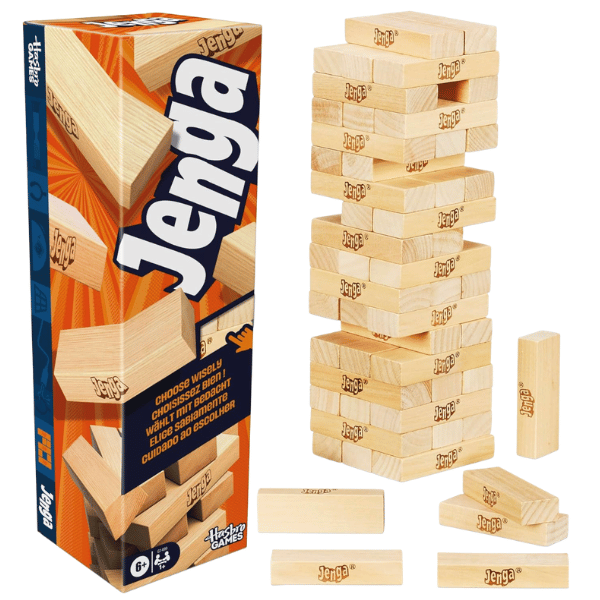
Jenga

1. Jenga

Best age: 6+
Vibe: Tense, silly, loud
Play style: Dexterity, turn-taking

Why it works:

  • Simple rules. Zero reading.
  • Builds impulse control and patience.
  • Immediate feedback—blocks fall, game resets, no grudges.

Parents often say Jenga is perfect for kids who struggle to sit still. Short turns keep everyone engaged, and even losing is funny.
Grab the Game on Amazon


Outfoxed!

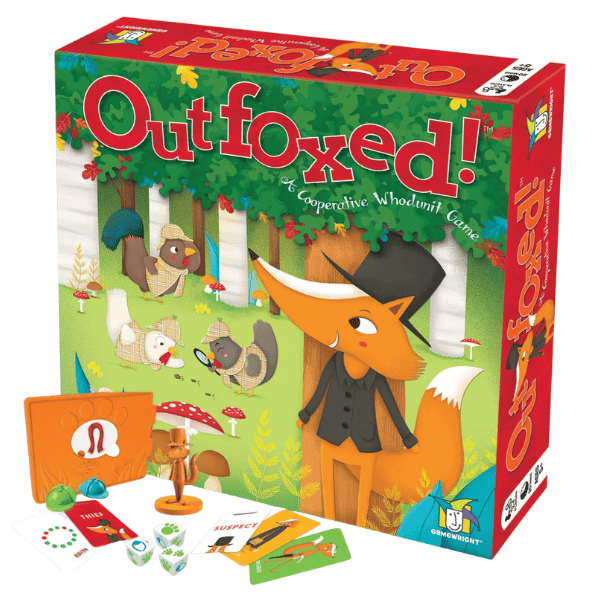
2. Outfoxed!

Best age: 5–8
Vibe: Cooperative mystery
Play style: Deduction, teamwork

Why it works:

  • Everyone plays together.
  • No one gets “knocked out.”
  • Encourages logical thinking without pressure.

Many parents praise Outfoxed! for kids who struggle with competition. You win or lose as a team, which lowers frustration and builds confidence.
Grab the Game on Amazon


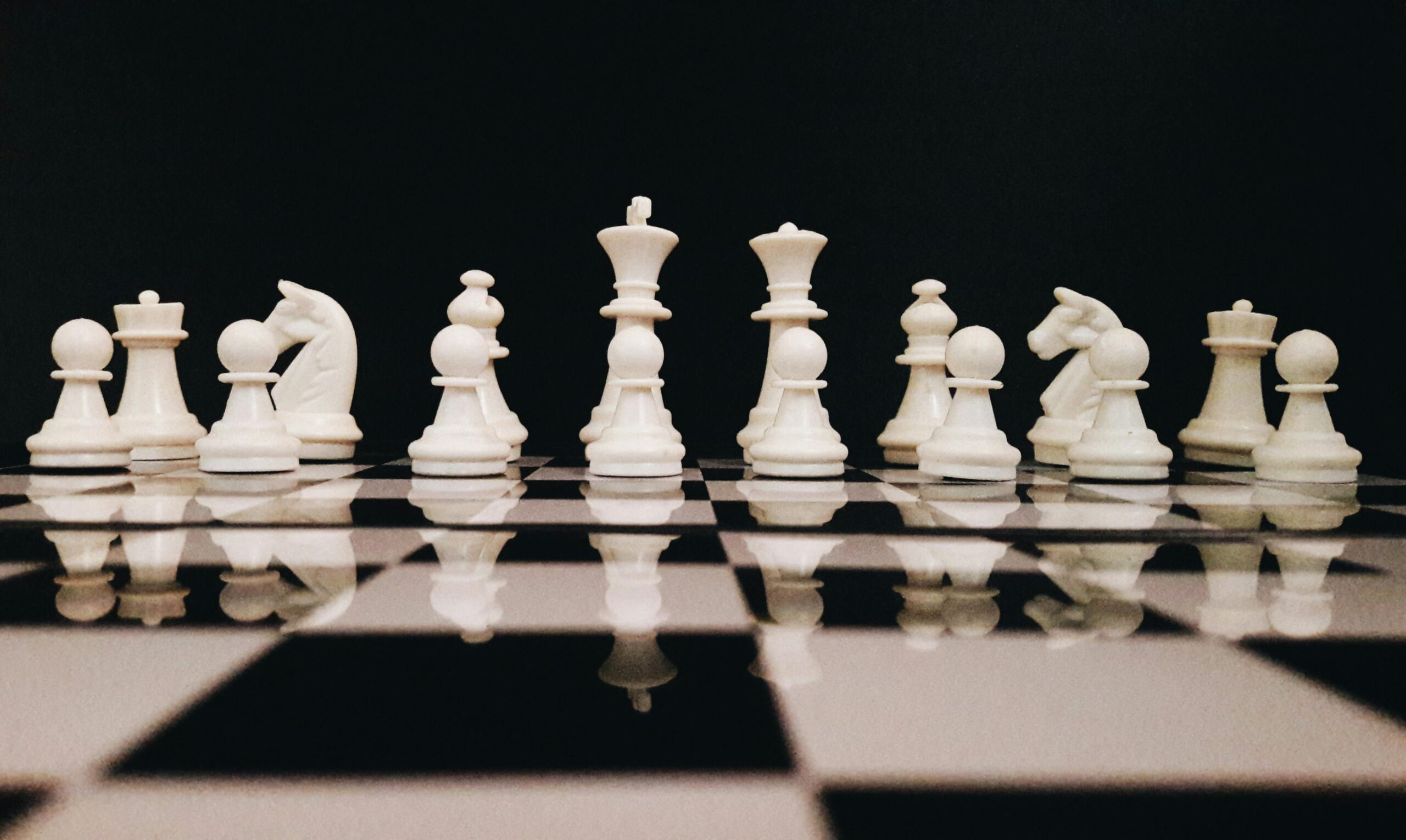
No Stress Chess

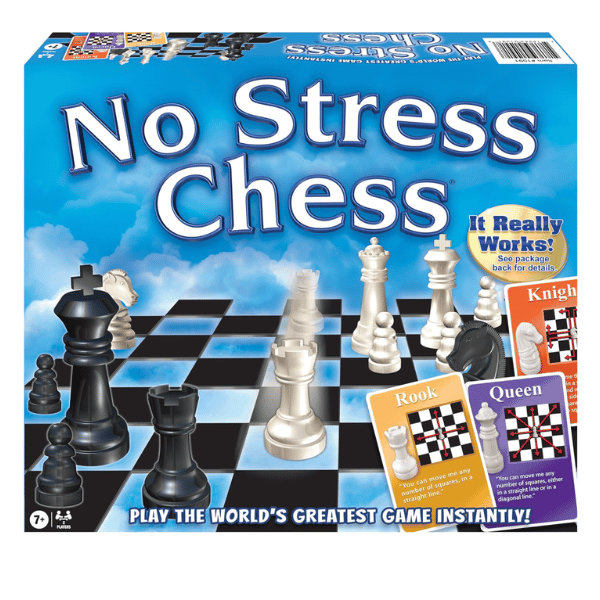
3. No Stress Chess

Best age: 7+
Vibe: Calm strategy
Play style: Guided decision-making

Why it works:

  • No memorization required.
  • Cards tell you what moves are allowed.
  • Reduces overwhelm while teaching planning.

This is a favorite among parents of kids who love strategy but get stuck with too many choices.
Grab the Game on Amazon


Chutes and Ladders

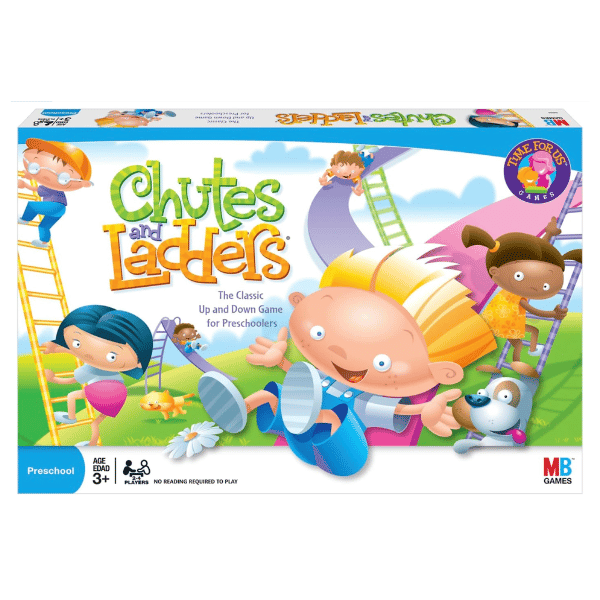
4. Chutes and Ladders

Best age: 4–6
Vibe: Classic chaos
Play style: Luck-based

Why it works:

  • Zero strategy required.
  • Teaches emotional regulation.
  • Big swings = big feelings = safe practice.

Yes, it’s simple. That’s the point. It’s great for practicing frustration tolerance in a low-stakes way.

Grab the Game on Amazon


Quick and Engaging Games (Because Waiting Is the Enemy)

These games are fast, loud, and perfect for kids who need constant engagement.
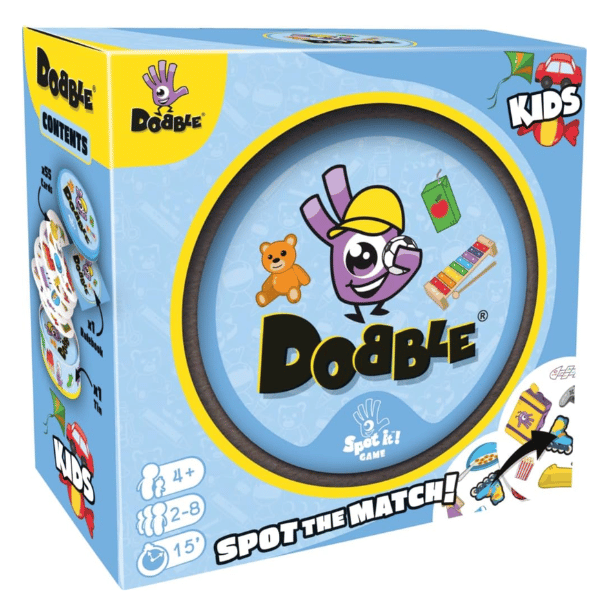
Dobble

1. Spot It! / Dobble

Best age: 4+
Vibe: High-energy chaos
Play style: Visual scanning, speed

Why it works:

  • Everyone plays at once.
  • Rounds last seconds.
  • Builds focus and visual processing.

Parents love this one because it scales well. Younger kids can play casually. Older kids go full competitive mode.
Grab the Game on Amazon


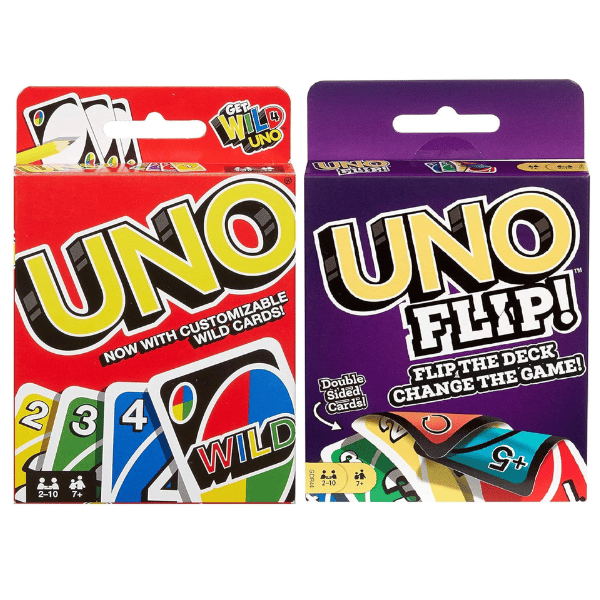
UNO

2. UNO

Best age: 7+
Vibe: Loud and dramatic
Play style: Hand management, luck

Why it works:

  • Familiar and predictable.
  • Short turns.
  • Lots of chances to recover after mistakes.

UNO is especially great for kids who need repetition and structure but still want excitement. Once you master UNO, try UNO Flip!
Grab the Game on Amazon


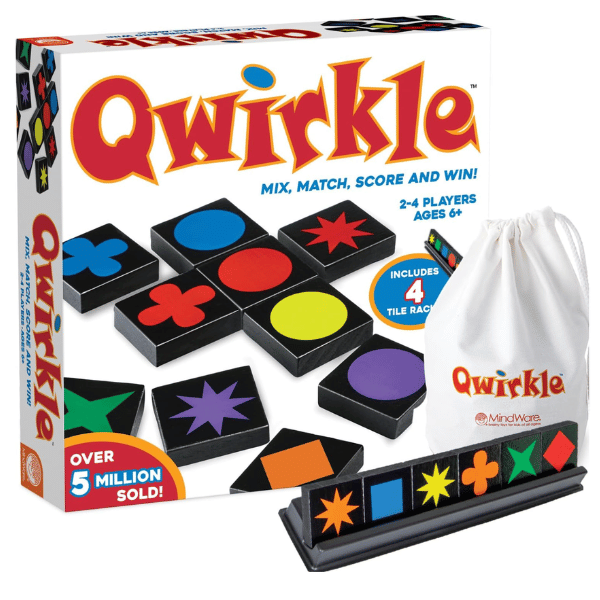
Qwirkle

3. Qwirkle

Best age: 6+
Vibe: Calm but clever
Play style: Pattern recognition

Why it works:

  • Color and shape-based.
  • No reading required.
  • Encourages planning without pressure.

This is a quieter option that still keeps kids engaged.

Grab the Game on Amazon


Strategy & Cooperation Games (For Kids Who Want “Real” Games)

These games feel big and exciting — but stay accessible.
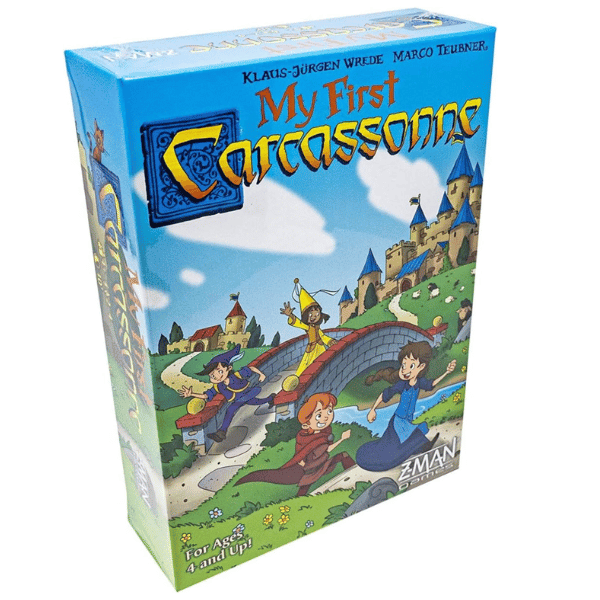
My First Carcassonne

1. My First Carcassonne

Best age: 4–7
Vibe: Gentle strategy
Play style: Tile placement

Why it works:

  • No reading.
  • Simple choices.
  • Visual and tactile.

Parents often say this is a great bridge from “kid games” to family games.
Grab the Game on Amazon


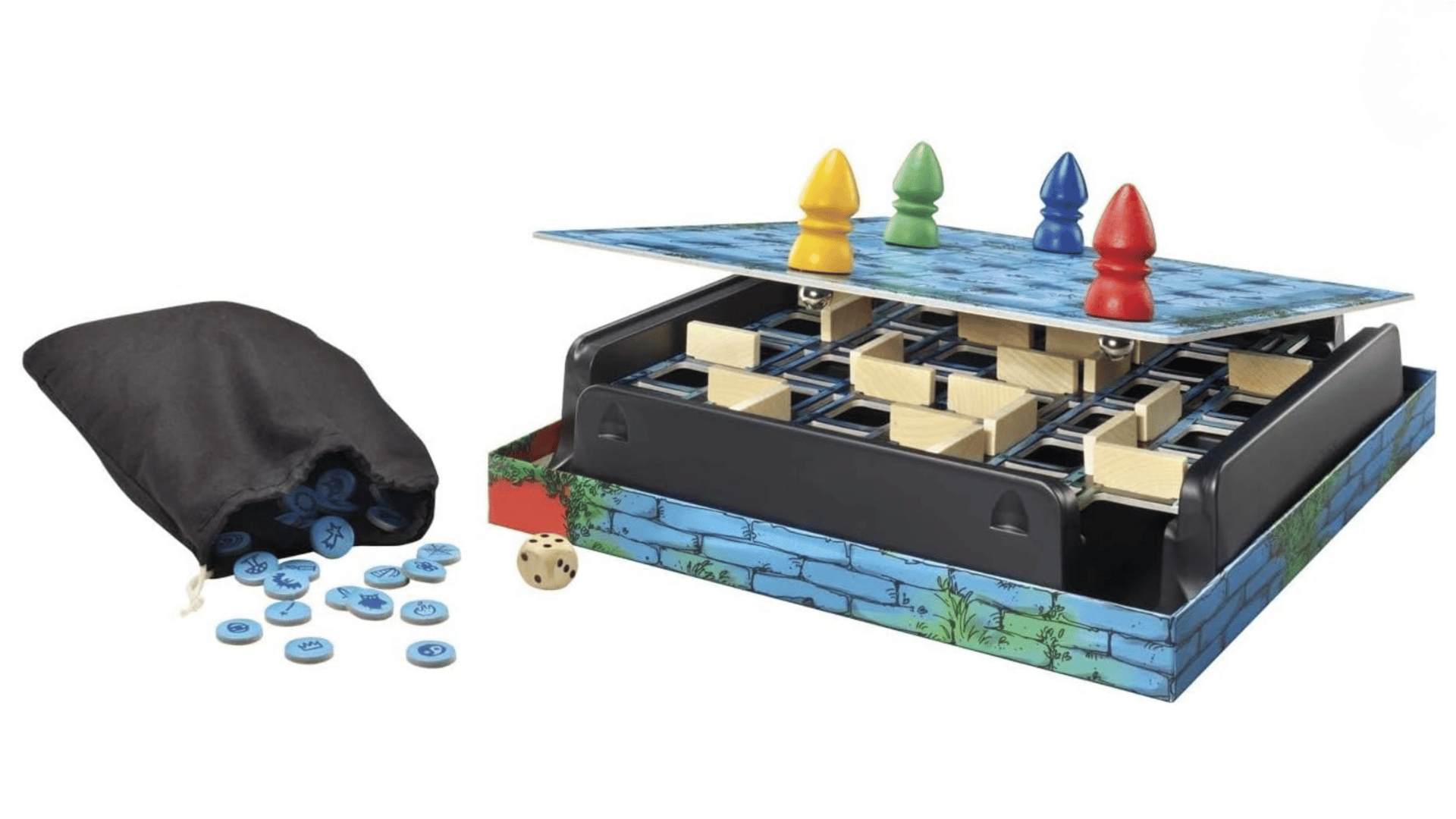
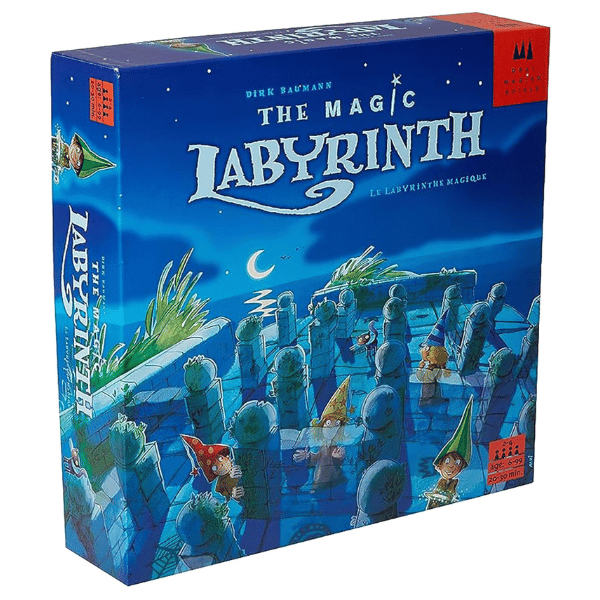
The Magic Labyrinth

2. The Magic Labyrinth

Best age: 6–10
Vibe: Magical memory challenge
Play style: Exploration, recall

Why it works:

  • Physical movement matters.
  • Memory is trained through play.
  • Mistakes are part of the fun.

Kids who struggle with focus often surprise parents with how locked-in they become.
Grab the Game on Amazon


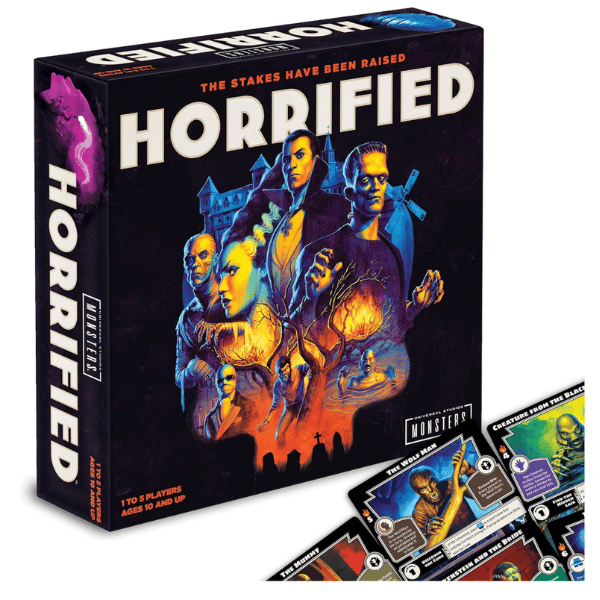
Horrified

3. Horrified

Best age: 8+
Vibe: Spooky teamwork
Play style: Cooperative strategy

Why it works:

  • Everyone works together.
  • Clear goals.
  • Encourages communication and planning.

Families often mention how this game keeps kids focused longer than expected. Especially kids who love themes and stories.

Grab the Game on Amazon


Tips for Playing Board Games with Kids Who Have ADHD

A few small tweaks can make a huge difference.

  • Start Short: Choose games under 30 minutes. You can always play again.
  • Focus on Fun, Not Winning: Celebrate silly moments. Laugh at mistakes. Keep the vibe light.
  • Use House Rules: Skip rules that cause stress. Add helpers. Simplify scoring. This is normal. You’re not cheating.
  • Offer Choices: Let kids choose between two games. Ownership = engagement.
  • End on a High Note: Stop while everyone’s still having fun—even if the game isn’t “finished.”
  • Final Thoughts: Kids with ADHD aren’t bad at board games. They just need games designed for how their brains work.

With the right picks, game night can build:

  • Focus
  • Emotional regulation
  • Confidence
  • Family connection

And most importantly, joy.

If your kid is a gamer at heart, these games give them a place to shine.


More from Tabletop Gurus

Continue reading

Poop Happens: The Surprisingly Great Games That Got Us Through Potty Training (and Beyond)

Poop Happens: The Surprisingly Great Games That Got Us Through Potty Training (and Beyond)

Potty training is hard — especially learning to go #2. These poop-themed games for kids, families, and adults turn bathroom humor into laughs, learning, and stress-free fun.

Poop Happens - Hero

Potty training can be hard.

Like, why-is-this-the-hardest-thing-I’ve-ever-done hard.

And once your kid masters going #1, congratulations — the training isn’t over. Not even close. Because learning to go #2? That’s a whole new boss level.

During that phase in our house, there was a lot of poop talk. A lot of giggling. And more conversations about bodily functions than we ever imagined having with another human being.

So instead of fighting it, we leaned in.

If poop was already the funniest topic in the house, why not use it? We picked up a few poop-themed games, started playing together, and honestly… they worked. They made the whole potty training process lighter, sillier, and way less stressful for everyone involved.

And because it turns out poop humor is basically timeless, we didn’t stop with kids’ games. We’ve added some grown-up options to the list too — because adults deserve dumb laughs just as much as kids do.

Here are the best poop games for kids, families, and adults — the ones that got us through potty training and still make game night way more entertaining.

Poop-Themed Games for Little Kids (Perfect for Potty Training)

If you’re searching for potty training games that actually help, poop games for toddlers and preschoolers can normalize bathroom talk, reduce anxiety, and turn stress into giggles.


Dont Step In It

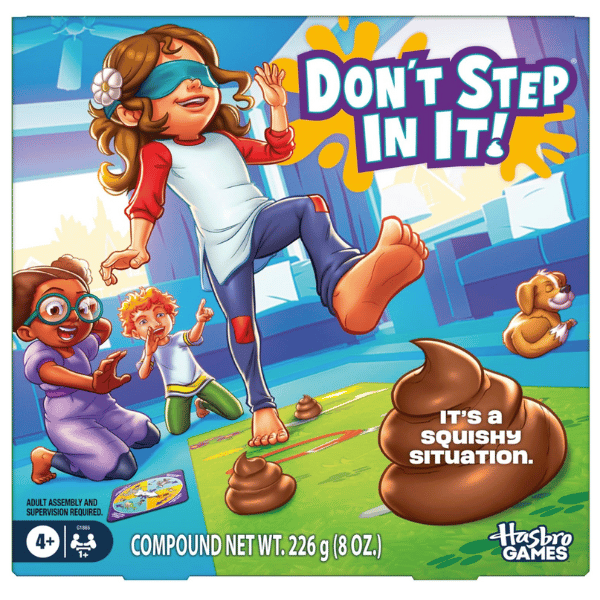
Don’t Step In It!

Playtime: 10-15 minutes
Players: 1+
Age: 4+

This one is pure preschool chaos — in the best way. Players spin, reach, grab, and try to match the right poop to the right animal. There’s a blindfold involved. There are chunky pieces. There is zero chance of quiet play.

Why we love it:

  • Big laughs with very simple rules
  • Reinforces matching and fine motor skills
  • Makes poop feel funny instead of scary

This is perfect for younger kids who are still figuring things out and need potty talk to feel safe and silly.

And if unicorns are more your vibe, no worries, there’s a unicorn edition ready for you. 

Grab the Game on Amazon


Shoot the Poop

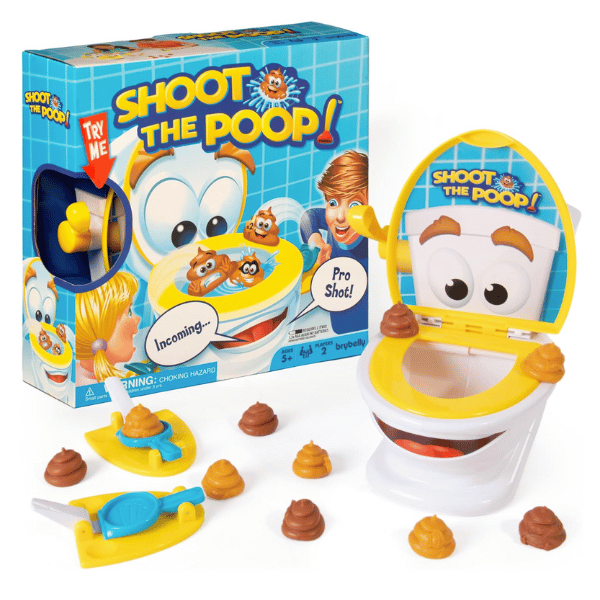
Shoot the Poop

Playtime: 5 minutes
Players: 2
Age: 5+

If your kid loves launching things across the table, this one’s a winner. Players literally shoot little poop pieces into targets, racing to score points before everyone else.

Why we love it:

  • Quick rounds (a great attention-span match)
  • Builds hand-eye coordination
  • Turns poop jokes into active play

It’s fast, ridiculous, and shockingly competitive for something involving tiny plastic turds.

Again, if unicorns are more your vibe, you can grab the unicorn edition for your little here.

Grab the Game on Amazon


Poop Bingo

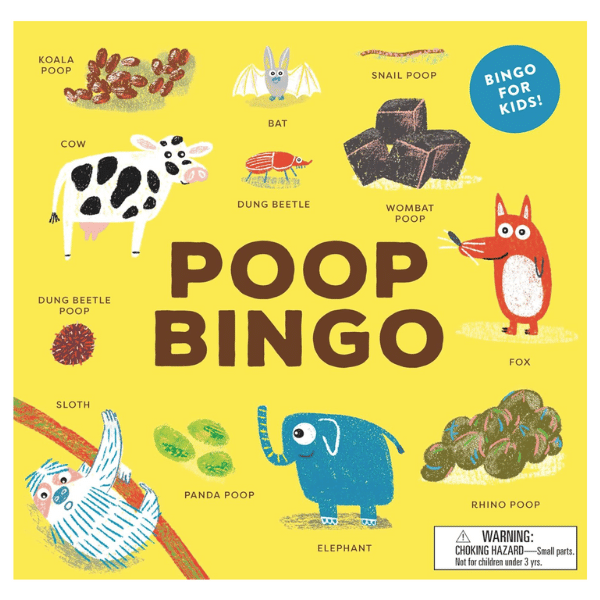
Poop Bingo

Playtime: 10-15 minutes
Players: 3–8
Age: 3+

This one leans more educational, but still keeps the humor front and center. Kids match poop sounds, images, and prompts in a bingo-style format that feels like play — not learning.

Why we love it:

  • Reinforces potty vocabulary without pressure
  • Interactive sounds keep kids engaged
  • Feels comforting and familiar during potty routines

It’s a great bridge game for kids who are still a little unsure about the whole process.

Grab the Game on Amazon


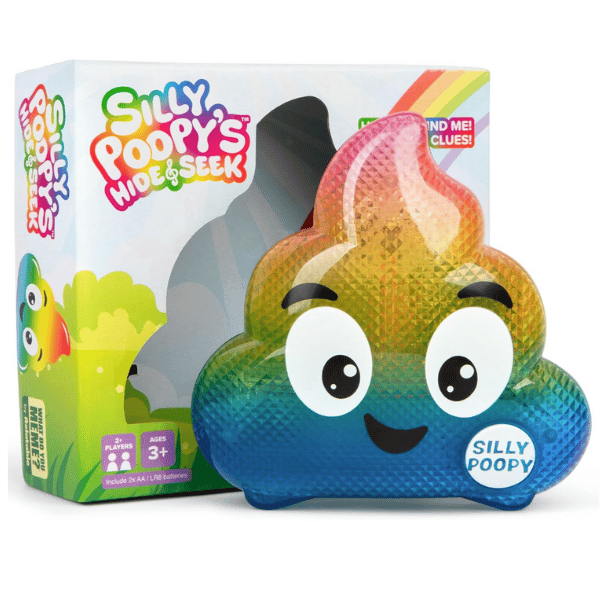
Silly Poopys Hide and Seek

Silly Poopy’s Hide & Seek

Playtime: Depends on how hard you hide it
Players: 2+
Age: 3+

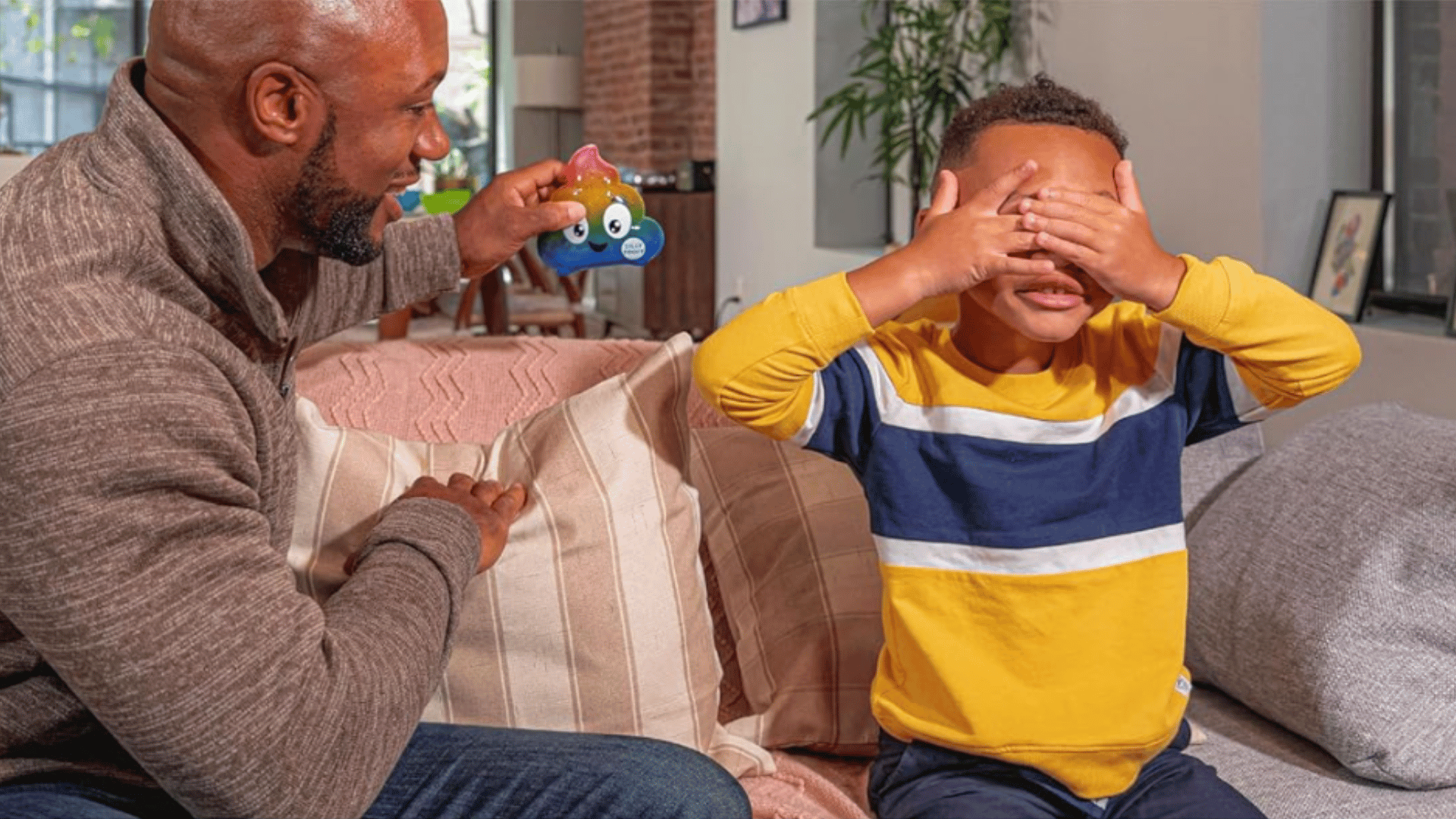
This interactive, light-up toy turns the classic game of hide-and-seek into a sillier, more playful experience for toddlers. It features a poop-shaped character that “comes alive” when turned on – making goofy sounds (including funny fart noises), giving simple auditory clues, and singing in cheerful celebration when found.

Why we love it:

  • It encourages active play, listening skills and cooperative movement 
  • Adds a dose of silly fun that keeps kids engaged 
  • It’s a straightforward loop – hide, seek, find, celebrate 

It’s an easy one for littles to enjoy independently or with others. 

Grab the Game on Amazon


Family & Older Kid Poop Games

Once kids are more confident, these poop-themed family games keep the laughs coming and work well for mixed ages — including adults who swear they’re above potty humor (they’re not).

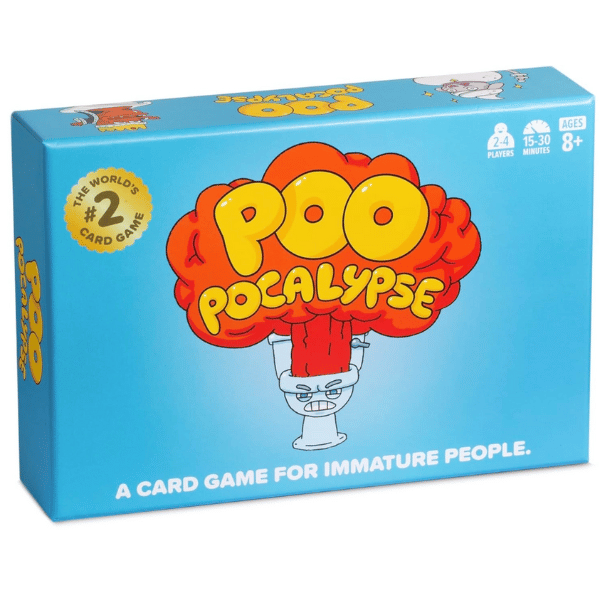
Poop Pocalypse

Poop-Pocalypse

Playtime: 15–30 minutes
Players: 2–4
Age: 8+

This is where things level up. Poo-Pocalypse is a silly card game where players try to avoid being overtaken by — you guessed it — poop.

Why we love it:

  • Easy to learn, fast to play
  • Silly without being too gross
  • Works for mixed-age groups

It’s goofy fun that older kids actually want to play (which is saying something).

Grab the Game on Amazon


Poop the Game - Special Edition

Poop the Game – Special Edition

Playtime: 10–15 min
Players: 2–5
Age: 6+

Simple rules, fast turns, and plenty of “eww” moments. This one feels like a classic party game with a bathroom-humor twist.

Why we love it:

  • Great filler game between bigger titles
  • Easy for non-gamers to jump into
  • Brings out laughs across age groups

It’s the kind of game that starts as a joke and ends with everyone asking for another round.

Grab the Game on Amazon


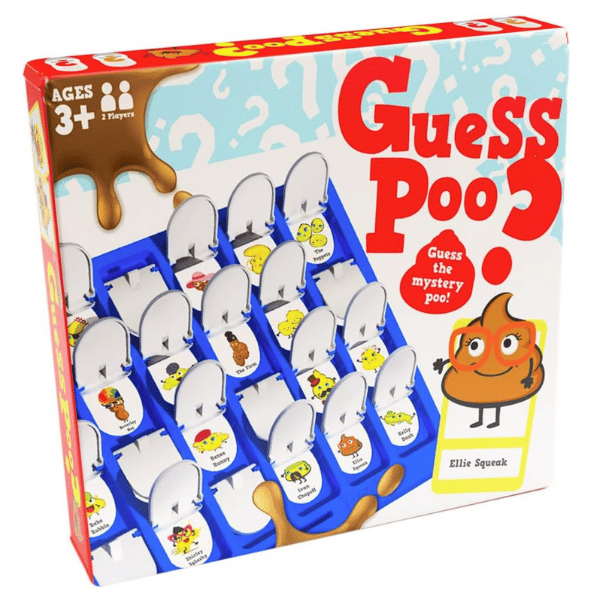
Guess Poo?

Guess Poo?

Playtime: 10–15 min
Players: 2
Age: 6+

This is a lighthearted, humorous guessing game designed for kids and adults to enjoy together. Players take turns asking yes/no questions about a mystery “poo” hidden somewhere on the game board

Why we love it:

  • It’s quick and easy to play
  • A fantastic way to entertain kids
  • Brings out laughs across age groups

Simply ask a question, flip, and guess! Just like the classic game for kids but with a poop-tastic twist.

Grab the Game on Amazon


Why Poop Games Actually Help (Yes, Even for Potty Training)

Here’s the thing: kids already think poop is hilarious. Fighting that instinct just adds tension to an already stressful potty training phase. Poop games normalize the conversation, remove pressure, and make the whole experience feel less intimidating.

They also create positive associations with bathroom talk — which can be incredibly helpful when kids are learning to listen to their bodies.

And honestly? They make us laugh too.

Potty training isn’t magical. It’s messy, awkward, and exhausting. But if a silly poop game can turn one more stressful moment into a giggle-filled memory, we’re all for it.

Because sometimes the best way through a hard phase … is leaning straight into the poop jokes.

More from Tabletop Gurus

Continue reading

Valentine’s Date Night, But Make It Fun

Valentine’s Date Night, But Make It Fun

Games & Cozy Picks for the Perfect Night In (No Reservations Required)

Valentine’s Date Night

Some Valentine’s Days call for reservations, babysitters, and fancy shoes.

Others call for sweatpants, snacks, and something to do together that isn’t scrolling on opposite ends of the couch.

If you’re planning a date night in — or shopping for a gift you’ll actually use again — these picks hit the sweet spot: playful, cozy, and low-effort to start.

💕 Quick Valentine’s Date Night Picker

Short on time? Start here.

  • Want cooperative play? → Codenames: Duet
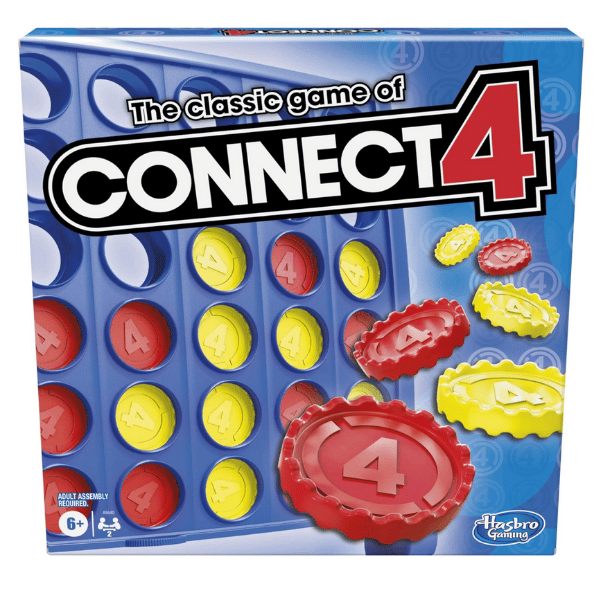
  • Want fast competition?Connect 4
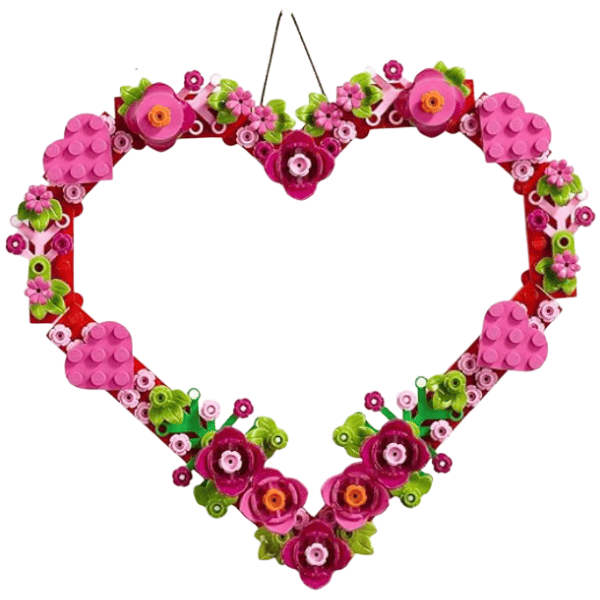
  • Want cozy vibes?LEGO Decorative Heart
  • Want to talk without it getting weird?Conversation Card Game for Couples

All picks are easy to grab on Amazon (Prime-friendly if you’re cutting it close).


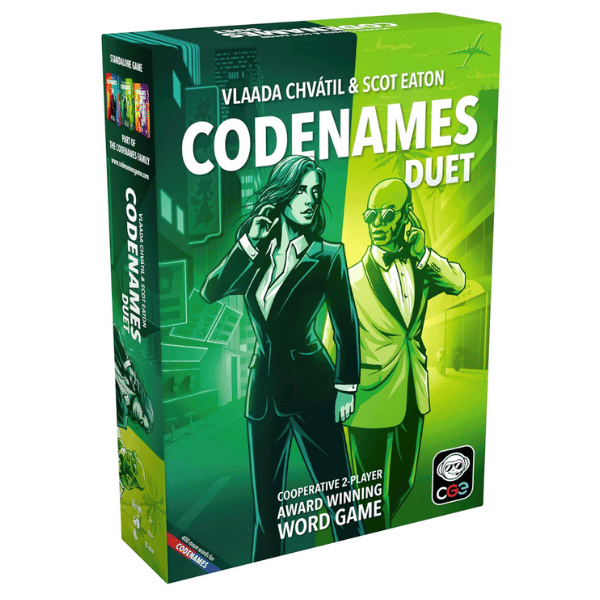
Codenames: Duet Board Game (2nd Edition)

Codenames: Duet (2nd Edition)

For couples who like working together
  • Best for: Playful couples
  • Time: 15 to 20 minutes
  • Vibe: Cooperative. Relaxing. Friendly.

A great two-person game. It’s cooperative which can be a nice change of pace. It also won’t ruin the night. 

It strengthens communication, provides hours of entertainment and has good replay value. Teh real strategy comes in knowing how your partner thinks and which clue words to use to get them to guess what they need to guess. 

Why it works for Valentine’s:

  • You’re working together and not against each other
  • Easy to play even if you’re tired
  • Quick setup

It feels more like hanging out than “doing an activity.” Which is exactly what I want most nights.

Grab the Game on Amazon


Connect 4

Connect 4 – Classic, Competitive, Surprisingly Intense

For couples who love friendly trash talk
  • Best for: Quick dates or weeknight play
  • Time: 10–15 minutes
  • Vibe: Competitive, nostalgic

Fast rounds, easy rematches, no rules explanation. It’s simple. It’s classic. And somehow it still gets dramatic.

Perfect when dinner’s almost ready or you want something playful without committing to a long game.

Why it works for Valentine’s:

  • Short attention span friendly
  • Easy to gift, easy to play
  • Feels nostalgic in the best way

Grab the Game on Amazon


LEGO Heart Ornament Building Toy Set

LEGO Decorative Heart (Valentine’s Edition)

For cozy, calm, “let’s do something together” nights
  • Best for: Low-key evenings
  • Time: 30–60 minutes
  • Vibe: Calm, creative, cozy

Shared focus, no screens, built-in keepsake.

Not every date night needs competition.

This is a quiet, collaborative activity you can build together — then keep on display as a reminder that you actually did something together.

Want something more detailed? Try these:

Picked a flower bouquet? Don’t forget your vase

Why it works for Valentine’s:

  • Zero stress
  • Looks great when finished
  • Feels thoughtful without being complicated

Grab it on Amazon


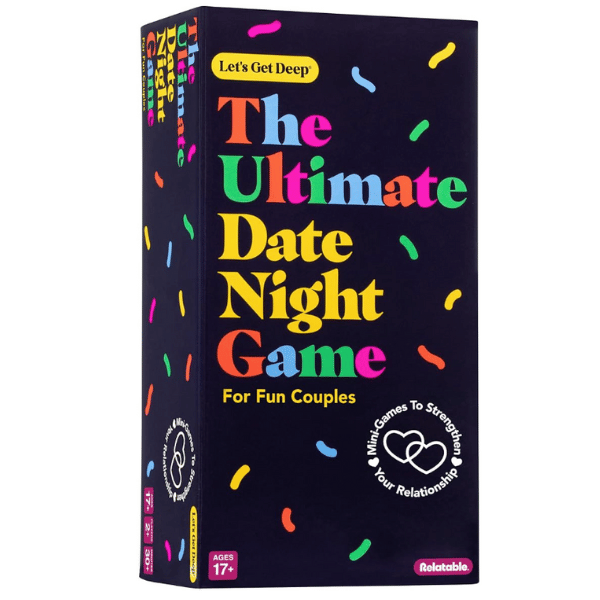
The Ultimate Date Night Game by Relatable

The Ultimate Date Night Game by Relatable

A real game, but not a stressful one
  • Best for: Couples who want structure without pressure
  • Time: 30 to 60 minutes
  • Vibe: Playful, thoughtful, low-key intentional

This one feels like a middle ground between a conversation deck and a full-on game night.

You get cards. You get prompts. You get a spinner. There is a flow, which I appreciate on nights when my brain is tired and I do not want to decide what happens next.

That said, this still isn’t about winning or losing. No scorekeeping. No bragging rights. The goal is simple. Spin. Draw a card. Do the thing. Talk. Laugh. Learn something new about the person you already know pretty well.

I like this one when I want guidance but not homework.

Why it works for Valentine’s:

  • Gives the night a rhythm
  • Mixes fun with actual connection
  • Easy to pause or pick back up later

It’s great for couples who want a little direction but still want the night to feel relaxed. You can play it seriously. You can play it casually. Both work

Grab the Game on Amazon


Who This Gift Guide Is For:

  • Couples who prefer staying in
  • Parents squeezing in quality time
  • Anyone tired of overpriced dinners
  • Gift-givers who want something usable

Maybe skip this if:

  • You hate games entirely
  • You want ultra-formal vibes

Pick the option that matches your energy — silly, cozy, competitive, or connected.

There’s no wrong choice, just a better night in.


      More from Tabletop Gurus

      Continue reading

      10-Minute Games That Save Bedtime Chaos

      10-Minute Games That Save Bedtime Chaos

      Short, easy games that help kids wind down without the bedtime battle. These parent-approved 10-minute picks are fun, simple, and perfect for avoiding meltdowns at the end of a long day.

      The 10-Minute Game That Saves Bedtime Chaos - Plus a Few More That Help

      Bedtime at my house used to feel like herding squirrels. Sleepy-but-not-sleepy kids. Random bursts of energy. Tears because someone’s sock “felt weird.” You know the drill.

      Then I tried something strange out of desperation: a 10-minute game.

      It worked.

      Like we might actually survive bedtime kind of worked.

      Turns out, giving kids a tiny moment of connection before the whole “brush teeth, PJs, let’s not negotiate tonight” routine smooths out the bumpy parts. It’s fast, calm(ish), and feels like a reward instead of a fight.

      Here are a few games that won’t wind kids up too much, won’t drag into the night, and won’t send you hunting for lost pieces at 9:57 p.m.

      Our Picks


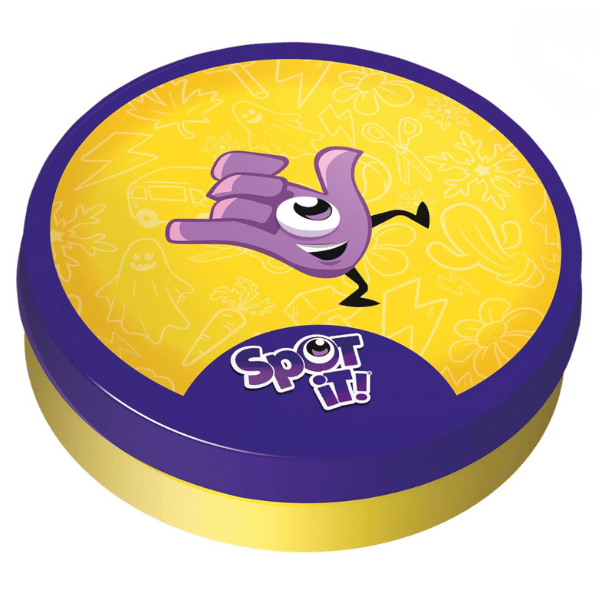
      Spot It!

      1. Spot It! — The One That Actually Ends Arguments

      If I had to pick a single game that saves my sanity at bedtime, it’s this one.

      Each round is short. Kids feel like geniuses when they win. And you can squeeze in two quick plays and still have time to get everyone upstairs.

      It also somehow stops the “I’m not tired” complaints because their brains get just the right amount of focus without tipping into hyper mode.

      Grab it on Amazon


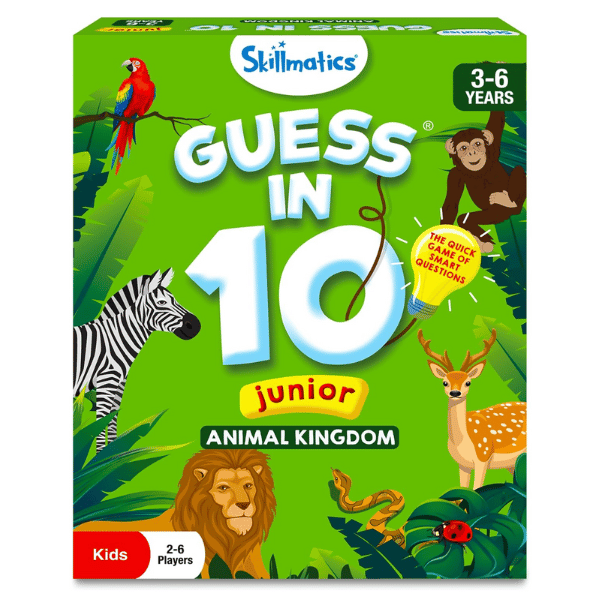
      Guess in 10 Junior

      2. Guess in 10 Junior — Great for Wiggly Brains

      This one feels like a game and a conversation at the same time. No pieces, no mess, no setup. Just quick questions and a couple of giggles.

      Perfect for kids who need something calm but still engaging.

      Grab it on Amazon


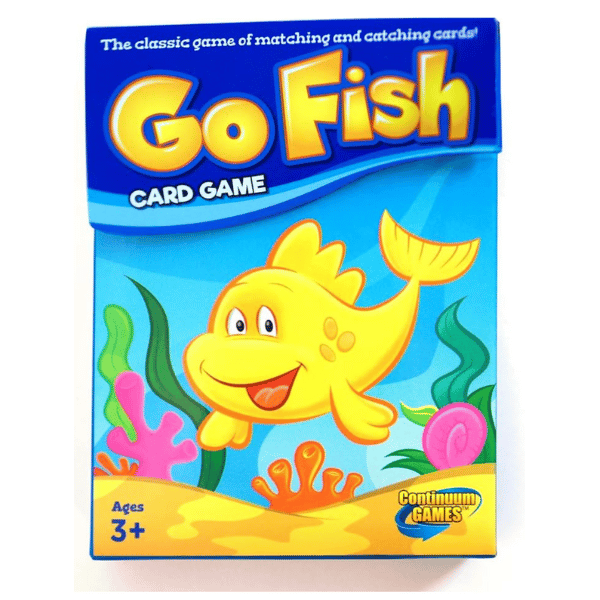
      Go Fish

      3. Go Fish — Yes, the Classic One

      I didn’t expect my kids to love this, but they do. Something about the routine of it helps them settle. It’s predictable and soothing — kind of like a warm blanket but with cute cards.

      The whole thing takes under 10 minutes unless someone gets dramatic about losing… which is still better than a bedtime meltdown.

      Grab it on Amazon


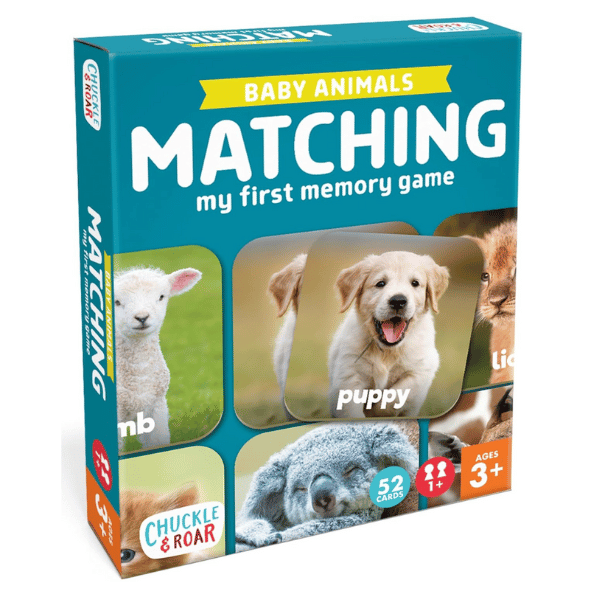
      Memory Match

      4. Memory Match — The “Let’s Wind Down Our Brains” Game

      If your kids bounce off the walls after dinner, this helps slow the pace.

      The matching part is calm. The turns are fast. And you can control the length by choosing how many cards you lay out.

      I usually go with six pairs. Anything more than that and we risk chaos.

      Grab it on Amazon


      Why This Trick Works

      Kids love routines, but they also love connection. When those two things link together right before bedtime, the transition feels smoother.

      A short game:

      • gives structure
      • gives attention
      • gives them something to “finish,” which helps them shift into bedtime mode

      And, bonus, it turns the end of the day into something sweet instead of stressful.

      My kids now ask, “What’s tonight’s game?” instead of “Do I have to go to bed?”

      Honestly, I’ll take that win forever.

      More from Tabletop Gurus

      Continue reading

      Best Board Games to Play This Fall | Cozy, Competitive & Just Right

      Best Board Games to Play This Fall | Cozy, Competitive & Just Right

      Discover the perfect board games for fall nights—cozy for quiet evenings, competitive for game-night showdowns, and just right for a little friendly fun.

      Best Board Games to Play This Fall Cozy, Competitive & Just Right

      Why Fall Is Game Season

      As the leaves turn and the nights draw in, there’s nothing better than gathering around the table instead of another screen. Fall is perfect for games—warm drinks, comfy sweaters, snacks within reach. Whether you want a peaceful evening, a bit of head-to-head rivalry, or something in between, I’ve found games that hit the vibe just right.


      Cozy Picks for Chilly Evenings

      Set these beside a roaring fire, put on soft music, and you’re golden.

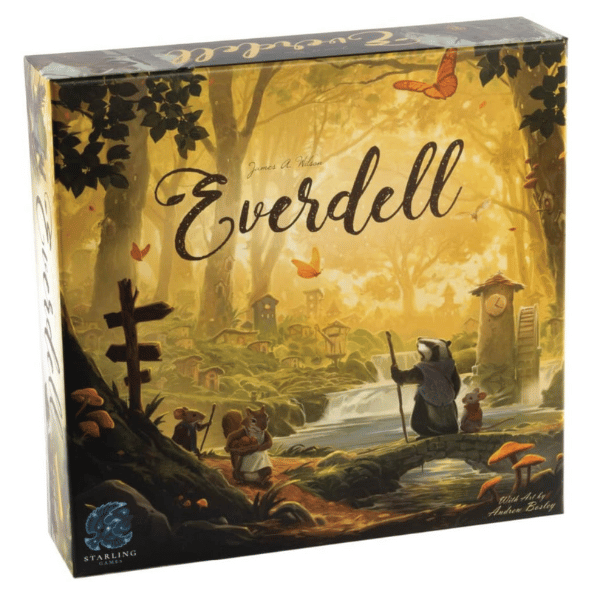
      Everdell

      Everdell

      A woodland city-building gem with beautiful art, relaxed play, and deep charm. Perfect for a mellow fall night in.

      Find it on Amazon

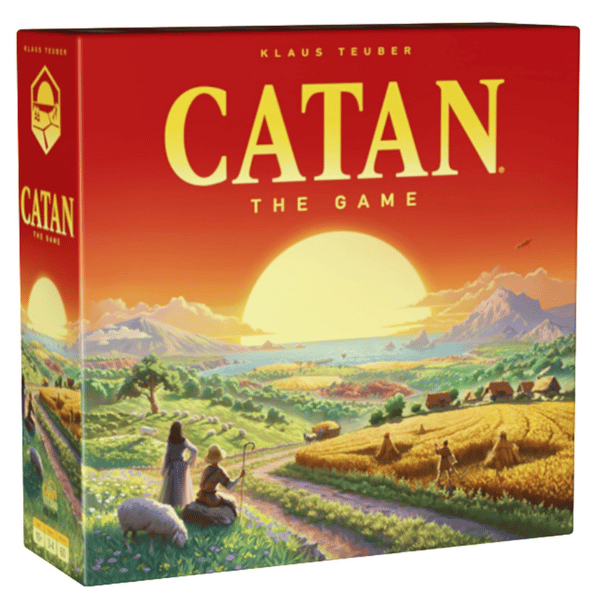
      Catan

      Catan

      Okay, maybe not ultra mellow—but the newer editions feel warm and inviting. Build settlements, trade resources, tell stories around the islands.

      Find it on Amazon


      Competitive (But Not Overwhelming)

      These games strike that balance: enough brain power to feel satisfying, not so much that you lose track of time.

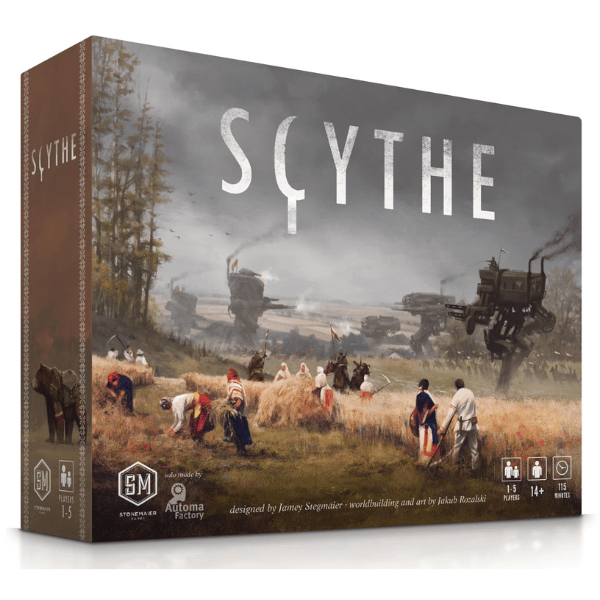
      Scythe

      Scythe

      For when you want real strategy without losing the cozy feel. Alternate history, gorgeous miniatures, intense but manageable sessions.

      Find it on Amazon

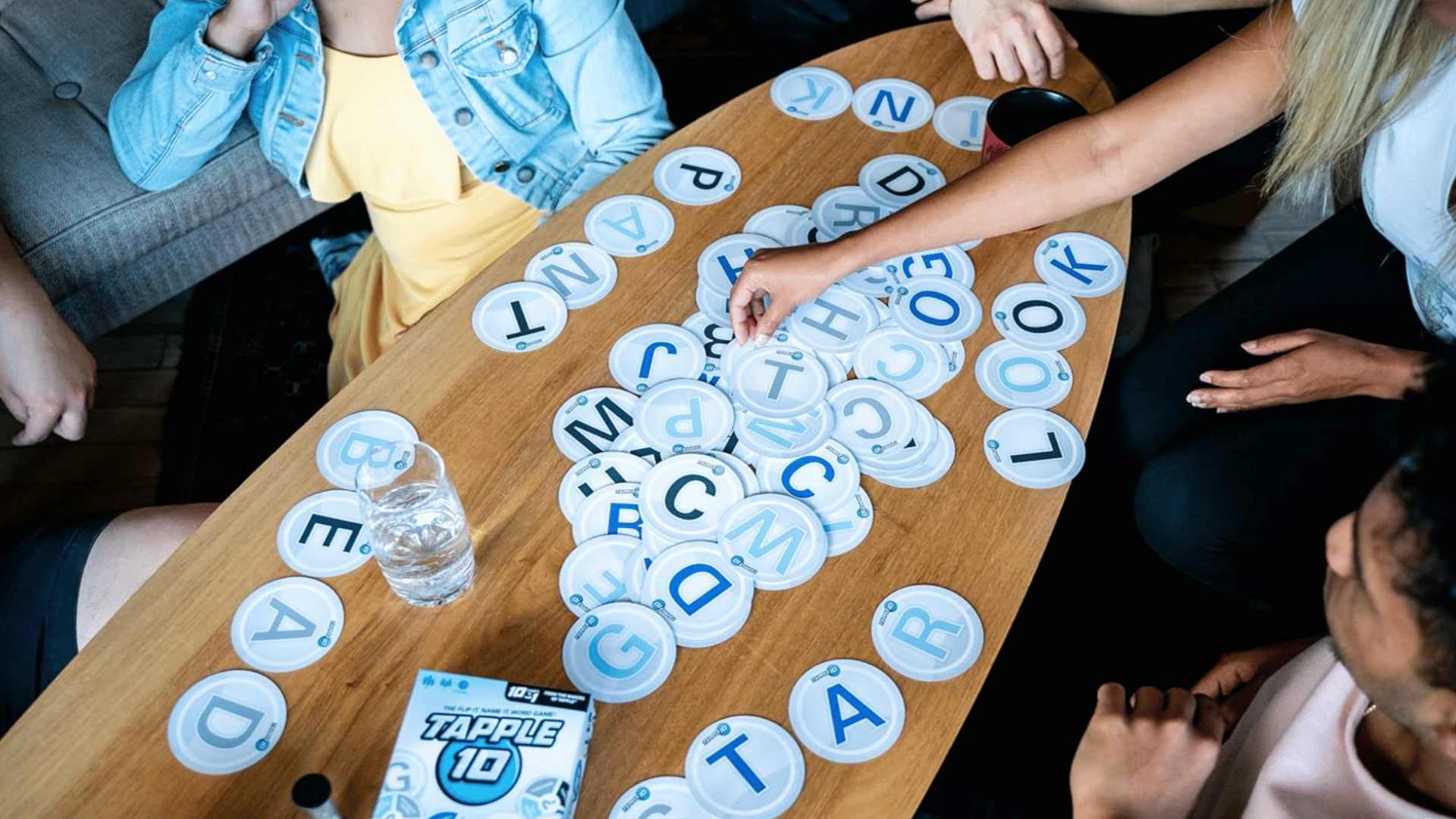
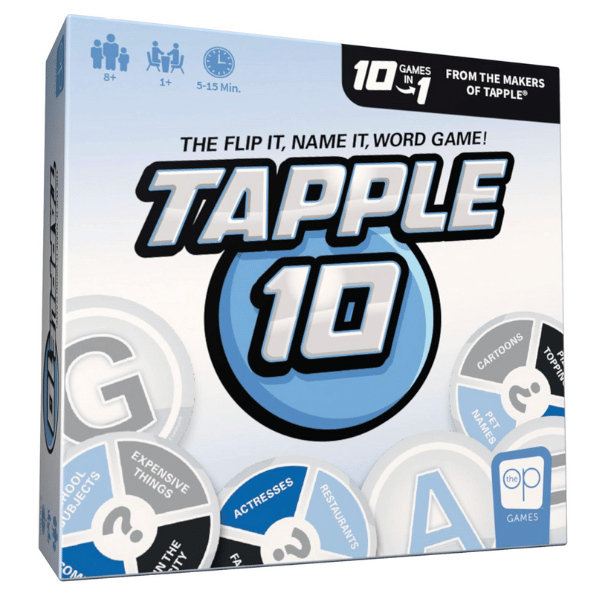
      Tapple 10

      Tapple 10

      Quick, word-game fun that brings out the friendly rivalry. Fast rounds, sharp thinking, perfect with snacks at hand.

      Find it on Amazon


      Just-Right Game Night Staples

      These picks work for any crowd — couples, friends, families — and they’ll keep things rolling without turning into a marathon.

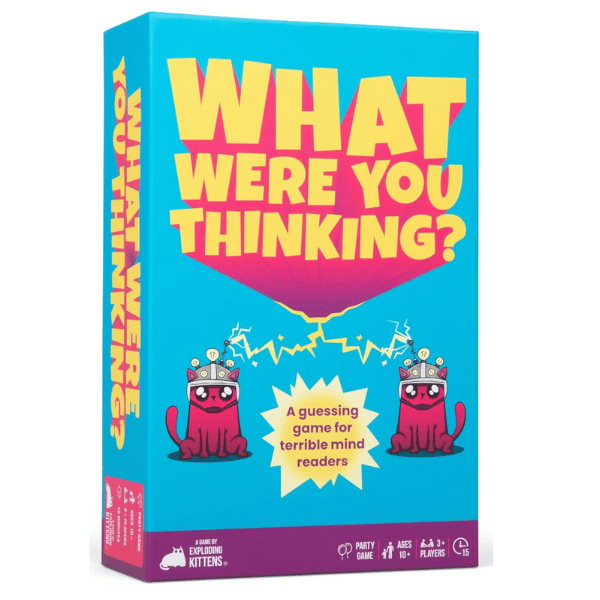
      What Were You Thinking?

      What Were You Thinking?

      Fun, light, social. Great party vibe without needing deep strategy. Ideal for mixed groups or when you’re in “hang out” mode.

      Fiind it on Amazon

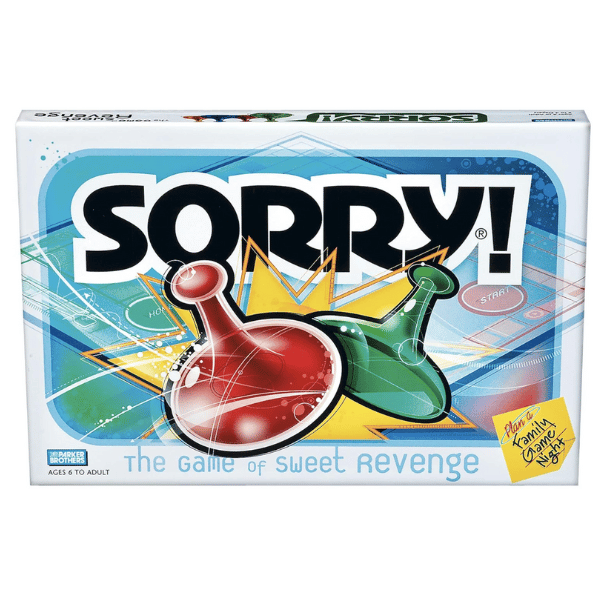
      Sorry!

      Sorry!

      Classic, simple, nostalgic. Easy to teach, easy to play, and a reminder of simpler game nights.

      Find it on Amazon


      Game-Night Setup Tips for Fall

      • Lighting matters: Swap harsh overhead lights for soft table lamps or warm-tone bulbs. Creepy shadows + small pieces = no thanks.
      • Comfort counts: Heaters, cozy socks, blankets nearby = more relaxed players = better vibes.
      • Snack smart: Choose low-mess snacks (popcorn in bowls, no dripping sauces) to keep the focus on the game, not cleanup.
      • Time check: Even better games can overstretch when bedtime looms or when you’ve committed to an early morning. Set a soft end-time and honor it.

      🎲 Guru Tip: Pick one “fancy” game for the season—and one fast, fun game as backup. When the mood shifts (kids tired, adults relaxed, just one hour left) you’ll be ready.

      Because the best game night is the one you actually play, not the one that sits pristine on the shelf.

      More from Tabletop Gurus

      Continue reading

      Board Game Accessories You Didn’t Know You Needed

      Board Game Accessories You Didn’t Know You Needed

      Level up game night with the best board game accessories you didn’t even know existed. From organizers to upgrades, these essentials make every game smoother (and way more fun).

      .

      Board Game Accessories You Didn’t Know You Needed

      Let’s be honest — the right accessory can turn a good game night into a great one. And the wrong setup (hello, flying cards and lost tokens) can turn Catan into chaos.

      If you’ve been playing board games for a while, you already know the little frustrations. Tiny baggies that rip, disorganized boxes, endless setup time. But here’s the good news: there’s an accessory for everything.

      Whether you’re a casual gamer or a full-blown shelf-of-shame collector, here are the upgrades that actually make game night better.


      Game Organizers & Inserts

      Say goodbye to box chaos. Inserts keep every token, tile, and mini right where it belongs. They make setup 5x faster and cleanup almost painless.

      space foam core organizers

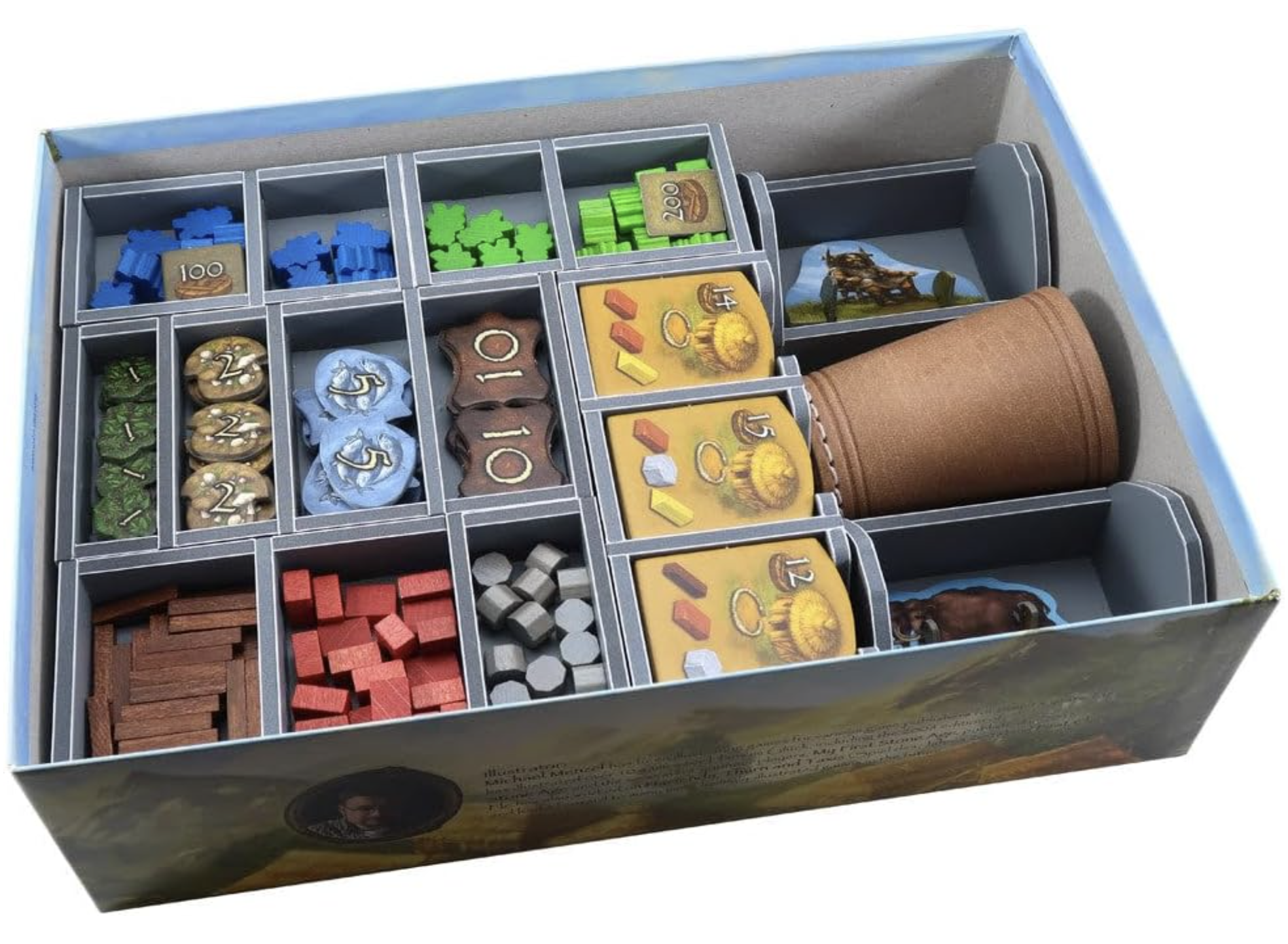
      Foam Core Organizers

      Try foam core organizers for a lightweight, budget-friendly way to keep all your tokens, cards, and minis in perfect order. They’re easy to assemble and won’t add bulk to your game boxes.

      Find Foam Core Organizers on Amazon

      Broken Token wooden inserts

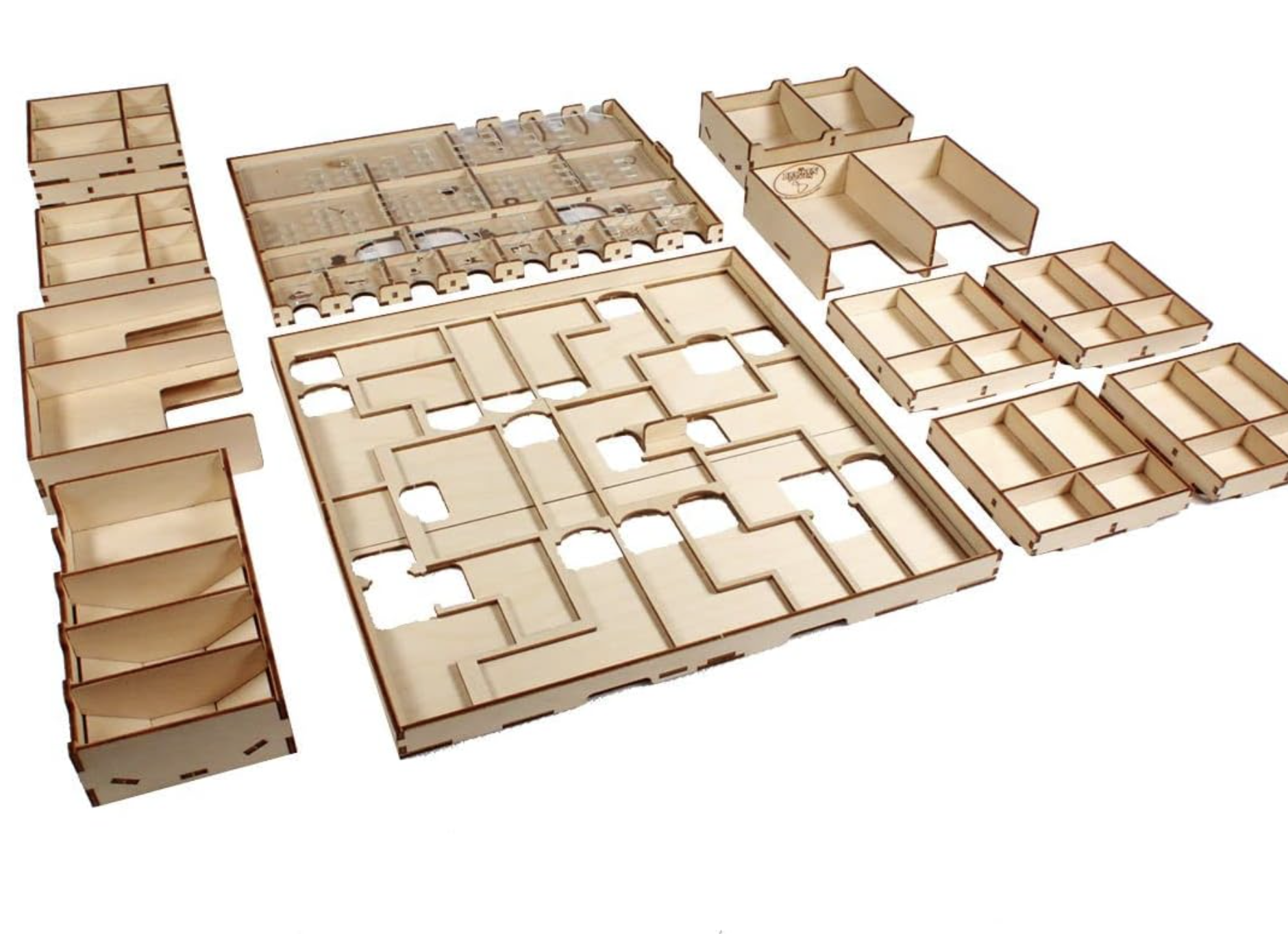
      Wooden Inserts

      For a more premium touch, upgrade to Broken Token wooden inserts — beautifully crafted organizers that make setup and cleanup almost as satisfying as the game itself. Both styles are available on Amazon and fit a wide range of popular board games.

      Find Wooden Inserts on Amazon


      Card Sleeves

      They’re not glamorous, but they’re essential. A few shuffles without sleeves and your favorite cards start looking … well-loved.

      Dragon Shield Card Sleeves

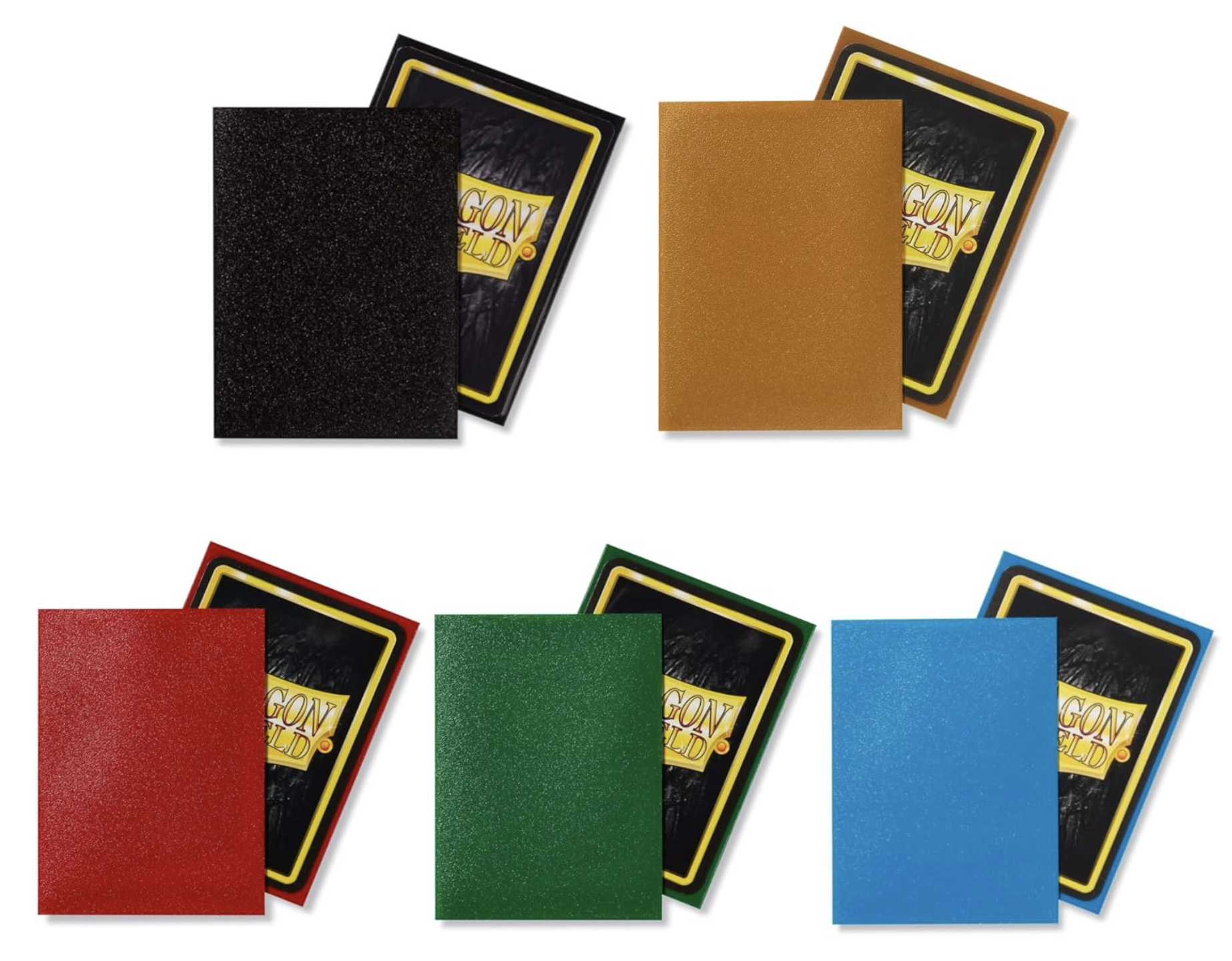
      Dragon Shield Card Sleeves

      Protect your cards (and your sanity) with Dragon Shield Sleeves, available on Amazon. These fan-favorite sleeves are known for their durability, smooth shuffle feel, and long-lasting clarity. With dozens of color options, you can match every deck to your style — or your faction loyalty.

      Find these card sleeves on Amazon


      Battle Game Mats & Table Covers

      Game mats are fun to use because they bring your favorite game or card game to life. They add color, texture and a professional feel to your setup. Make every game feel a little more special, and a lot more immersive.

      Loke Battle Mats

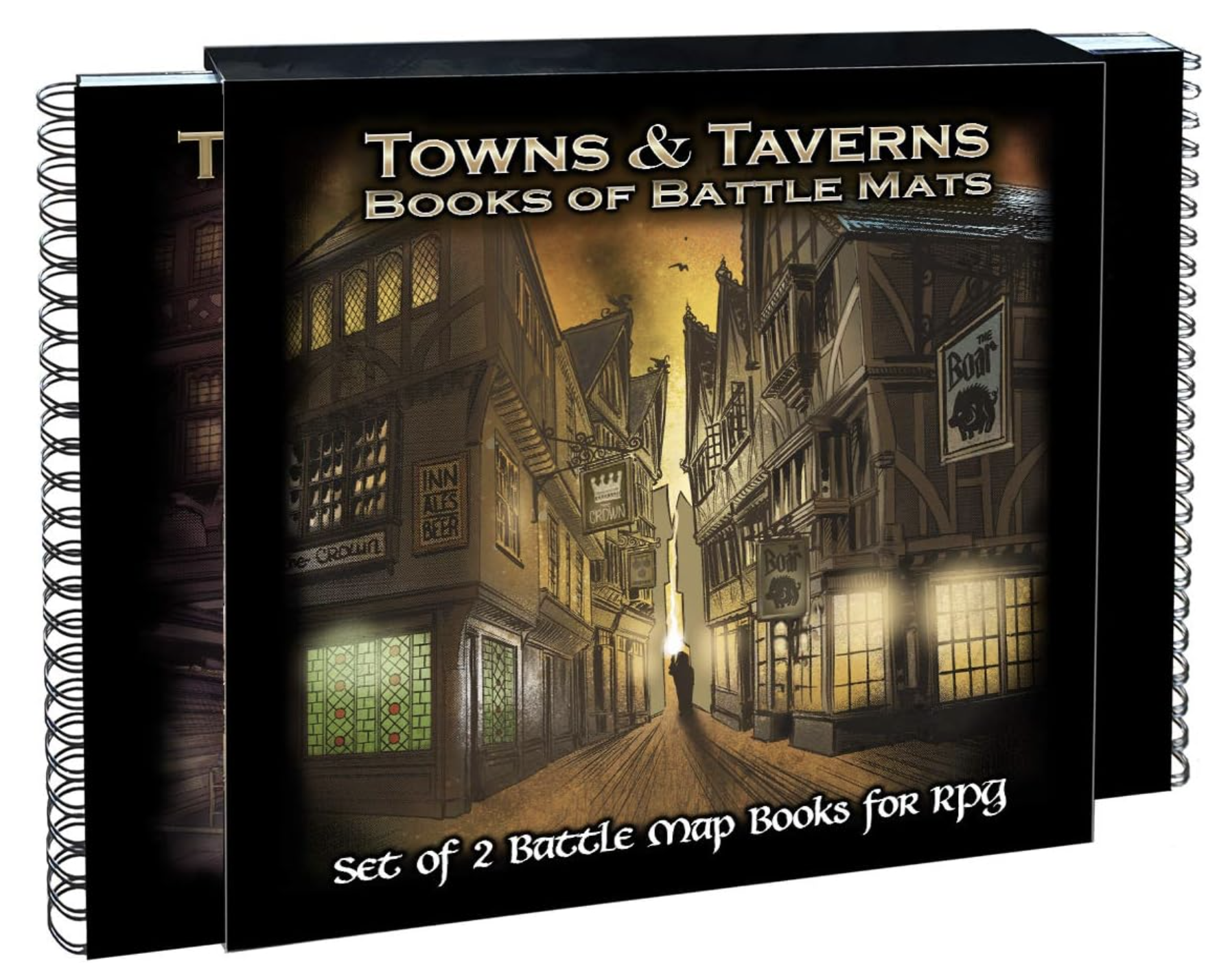
      Loke Battle Mats

      Bring your tabletop adventures to life with Loke Battle Mats, like the Towns & Taverns edition found on Amazon. Each spiral-bound book folds flat to reveal beautifully illustrated, wipe-clean maps that instantly elevate your RPG sessions. Perfect for DMs who want immersive worlds without hours of setup.

      Fiind Loke Battle Mats on Amazon


      Dice Towers & Trays

      No more runaway dice or dented tables. Towers keep the rolls fair; trays keep them quiet. It’s one of those upgrades you don’t realize you need until you use it once.

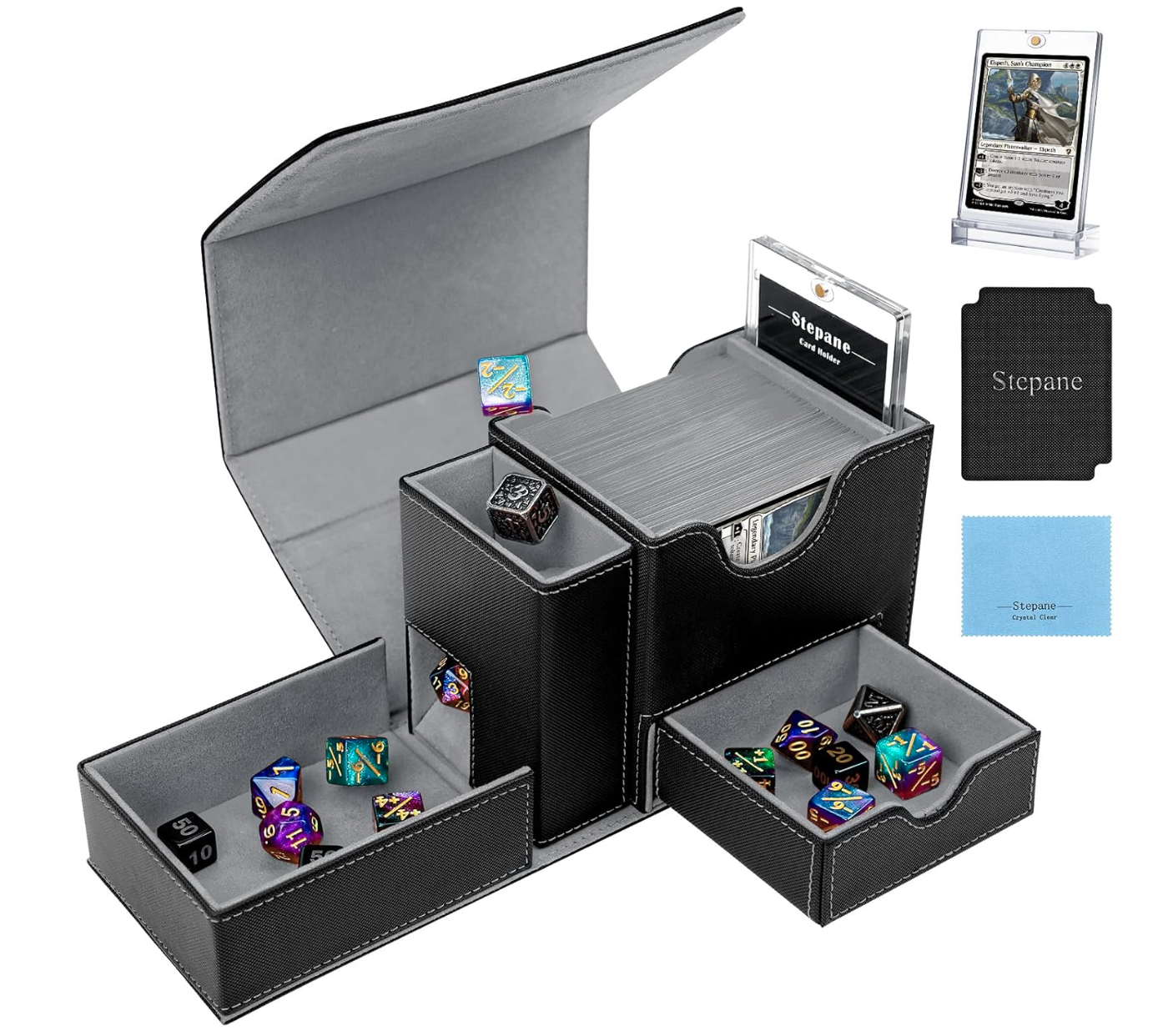
      Deck Box with a Commander Display and Dice Tower

      MTG Deck Box with Commander Display and Dice Tower

      Keep your decks and dice protected with the MTG Deck Box with Commander Display and Dice Tower, available on Amazon. It fits up to 100 double-sleeved or 220 unsleeved cards, includes a built-in dice tray, and is scratch-resistant and portable — perfect for Magic nights on the go.

      Find this Dice Tower and Deck Box on Amazon

      Board Game Accessories You Didn’t Know You Needed

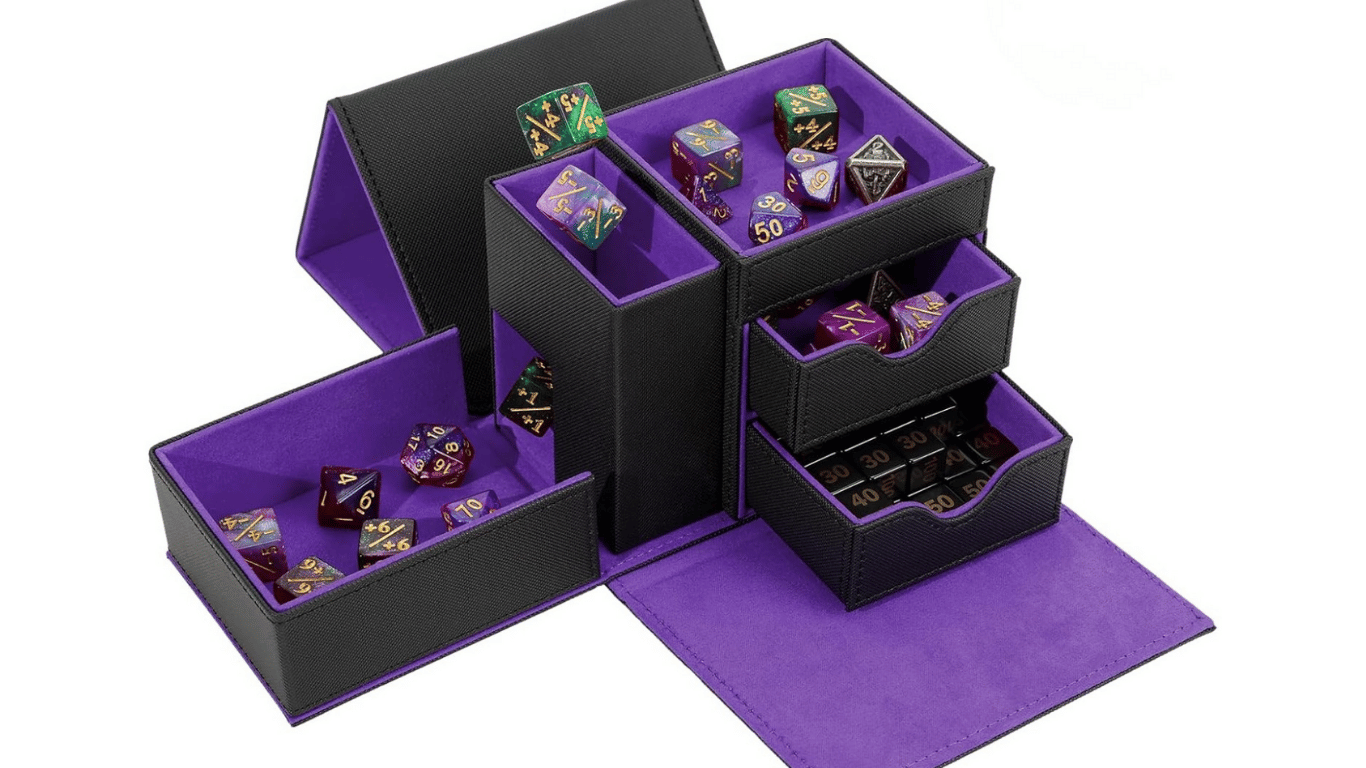
      3-in-1 Dice Tower and Tray Set

      Or, try a 3-in-1 Dice Tower and Tray Set, complete with a storage drawer and rolling platform. Whether you’re at home or traveling to a tournament, these compact towers keep your rolls fair and your dice in check.

      Find this Dice Tray on Amazon


      Component Upgrades

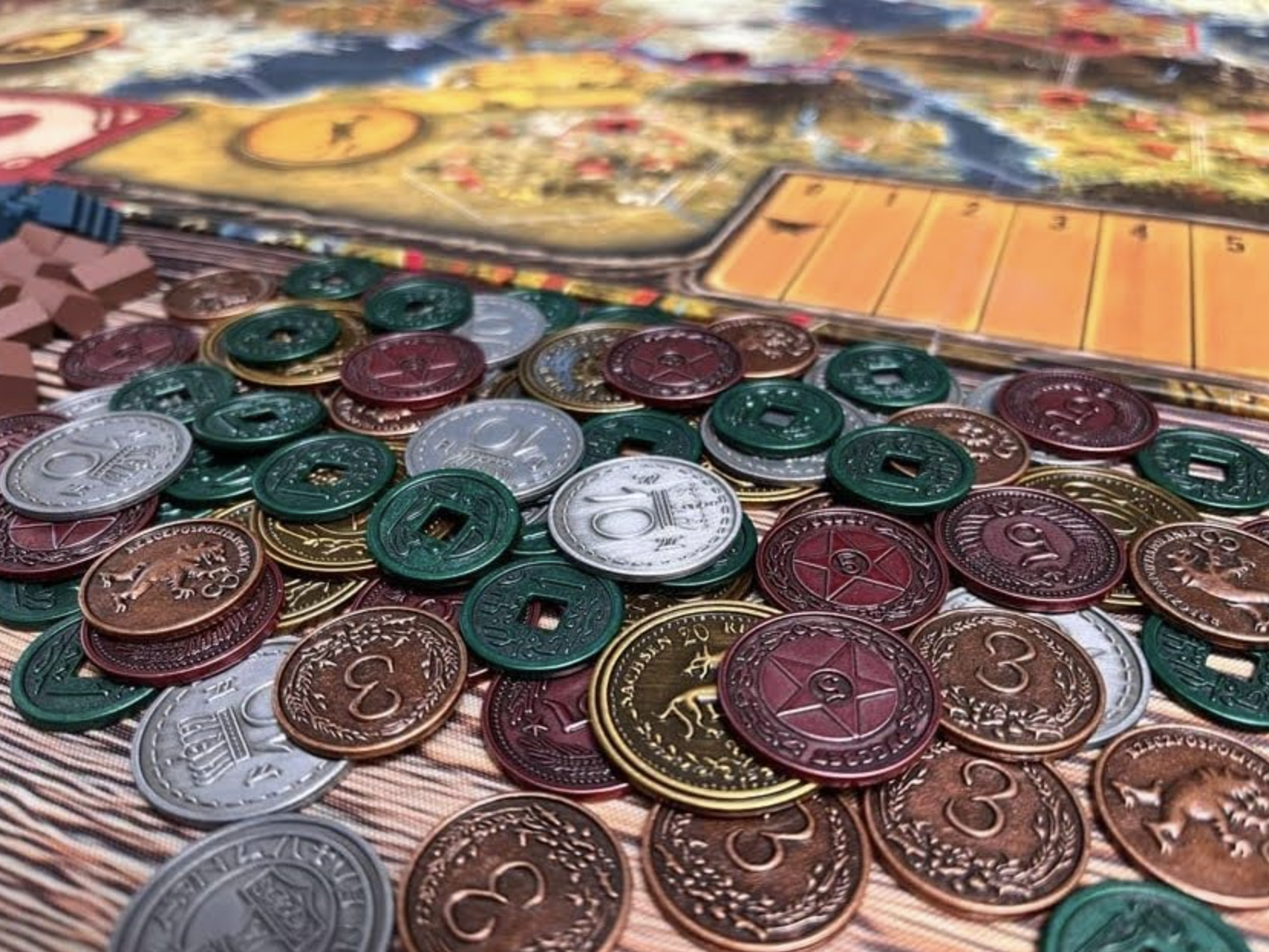
      Replace flimsy cardboard coins with metal ones. Swap generic tokens for custom minis or realistic resources. It’s all about immersion — these tiny touches elevate your favorite games instantly.

      Metal Coins

      Metal Coins

      Add a little luxury to your next game night with Stonemaier Games Metal Coins — solid, weighty pieces that make every purchase, trade, or treasure find feel that much more satisfying.

      Find Metal Coins on Amazon

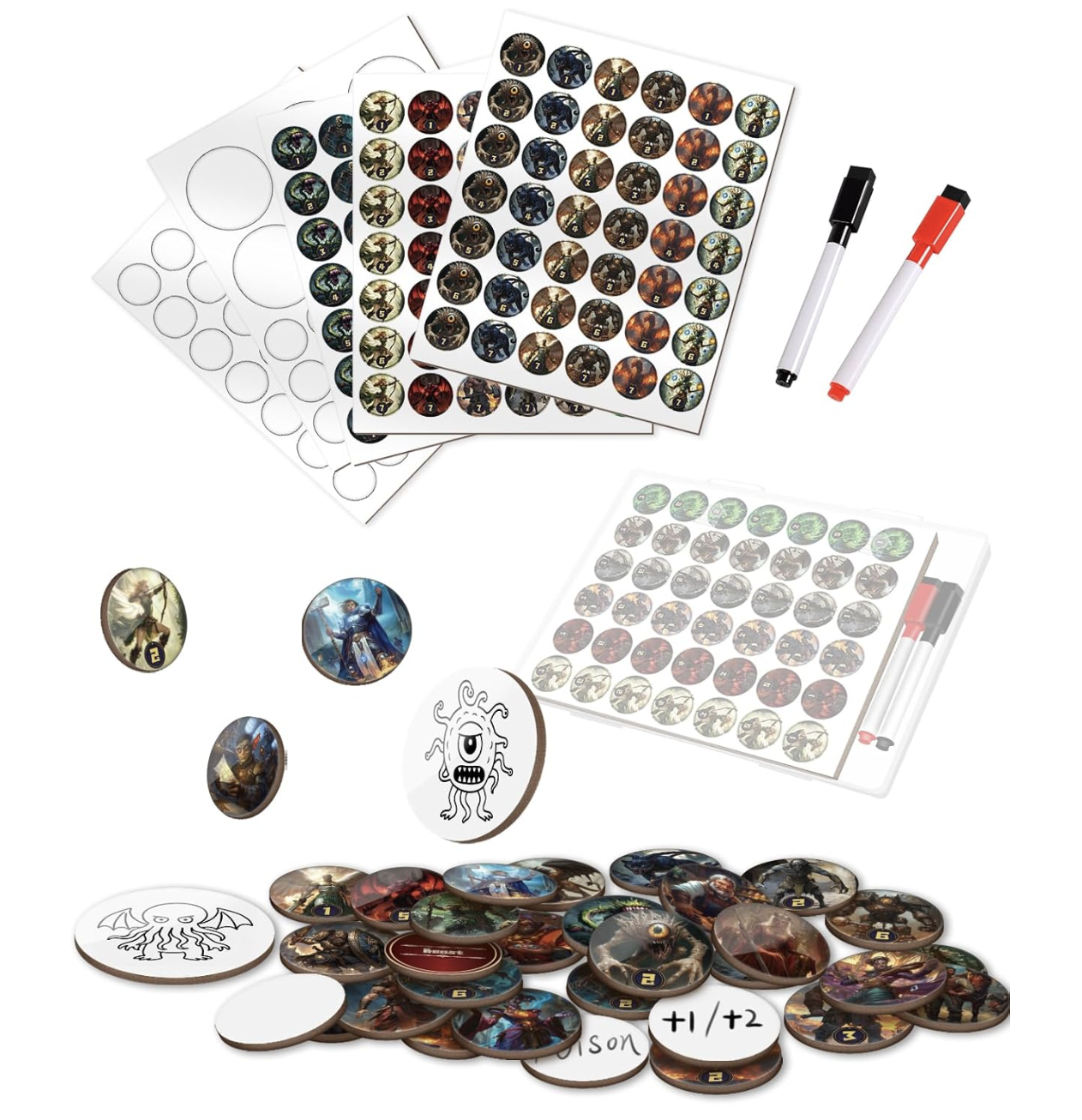
      Dry-Erase Token Set

      Dry-Erase Token Set

      Pair them with a Dry-Erase Token Set, also available on Amazon, to replace paper trackers and clutter with a clean, reusable upgrade. Both options combine function with serious table appeal.

      Find this Dry-Erase Token Set on Amazon


      Lighting & Ambiance

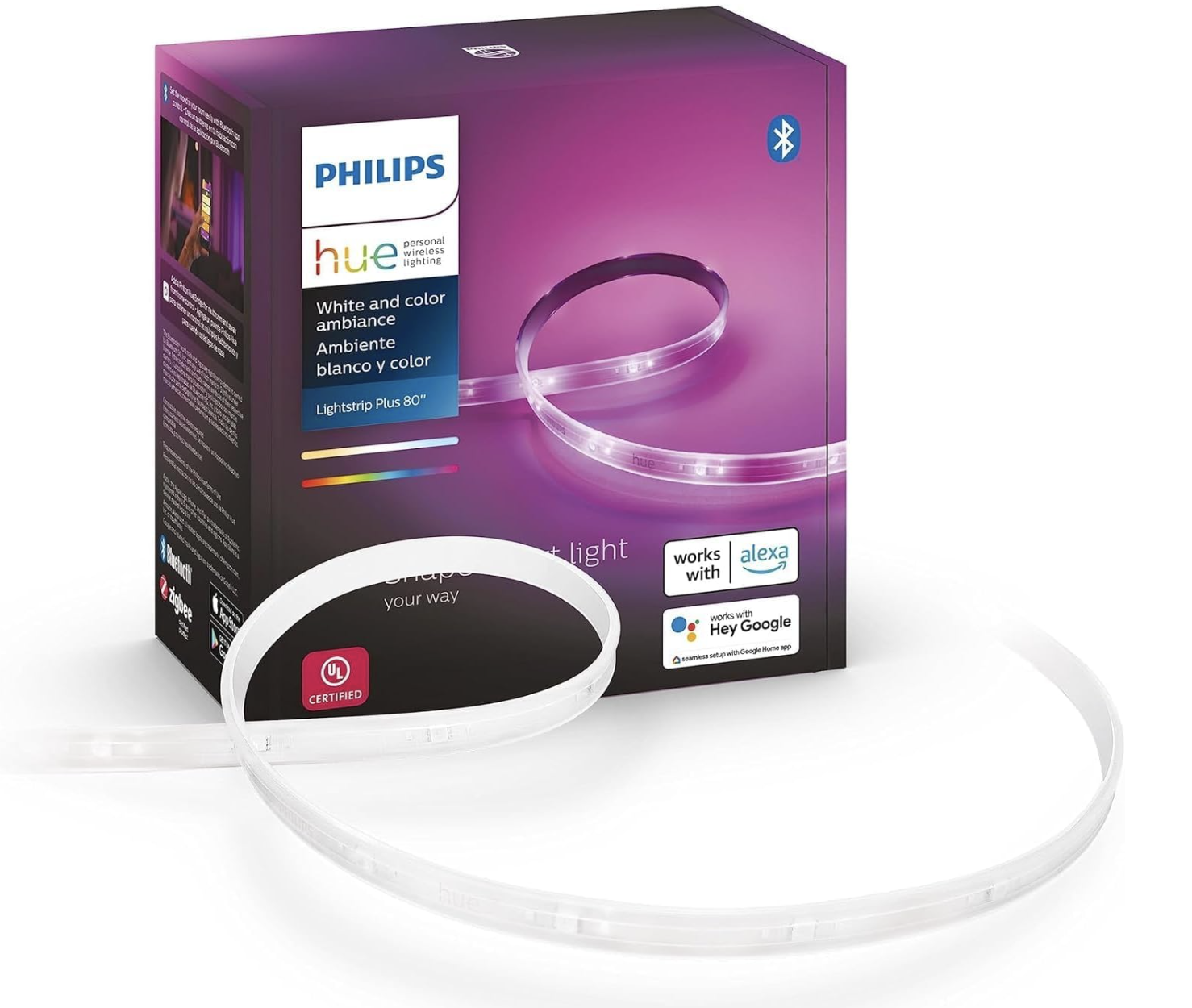
      A little mood lighting sets the tone. Warm light for cozy family games; LEDs for sci-fi adventures. Bonus points for candles that smell like adventure (yes, that’s a thing).

      Philips Hue Light Strip

      Setting the Mood

      Set the perfect gaming mood with a Philips Hue Light Strip, letting you adjust your lighting to match the tone of your game — from cozy tavern glow to sci-fi neon.

      Find this Philips Hue Light Strip on Amazon

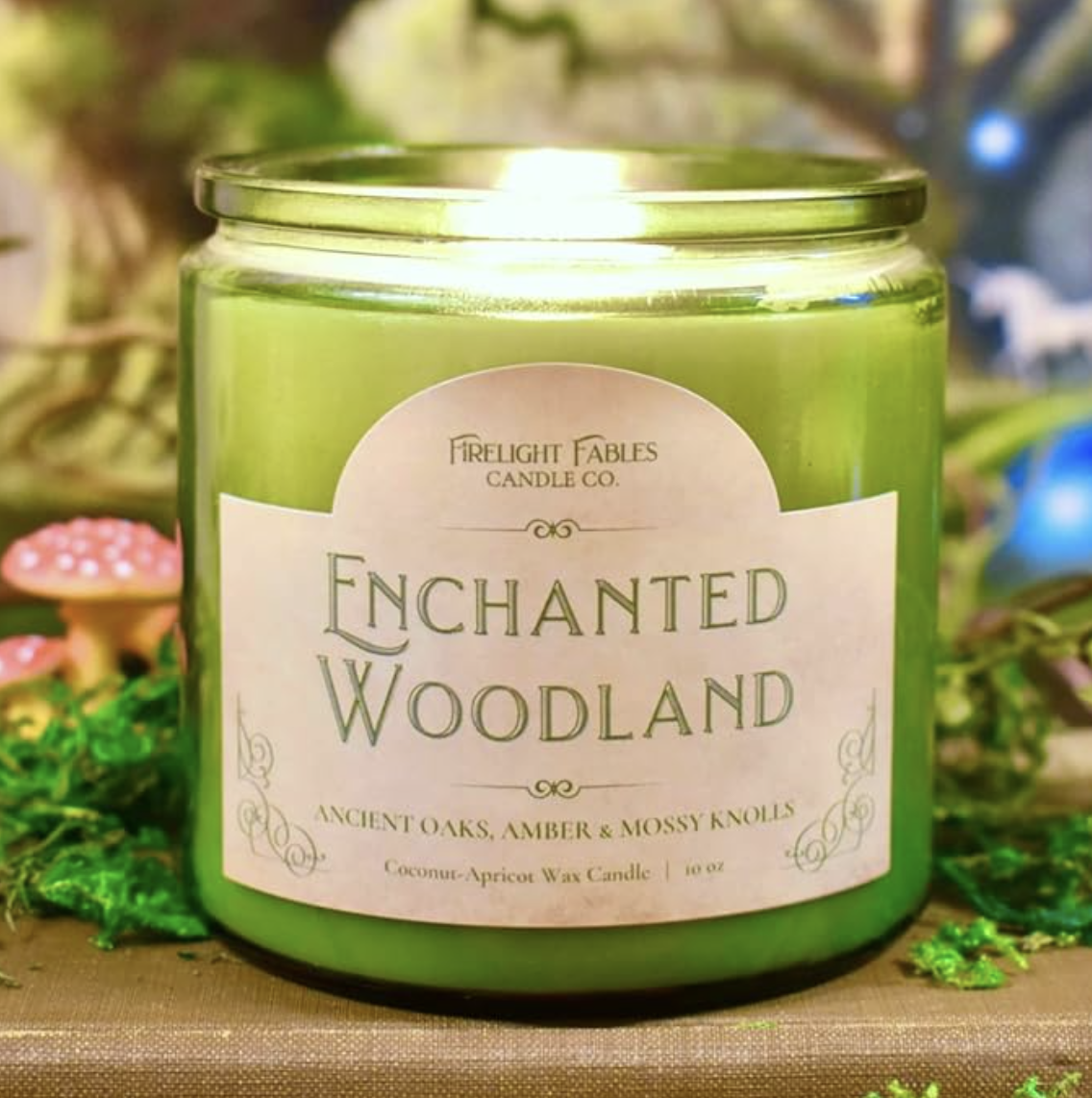
      tabletop RPG candles

      An Atmospheric Touch

      Or, for a more atmospheric touch, try tabletop RPG candles, crafted to evoke immersive scents like “Dungeon,” “Forest,” or “Wizard’s Study.” They’re a simple way to make every session feel like a cinematic experience.

      Find this Enchanted Woodland Candle on Amazon


      Looking for the perfect gift for the gamer in your life? You don’t need to go big. Start with something simple like sleeves, trays, or an insert for their favorite game. These small upgrades add a touch of polish (and a lot less chaos) to every playthrough. Because sometimes, the best gift isn’t a brand-new game. It’s making the ones they already love even more enjoyable.

      More from Tabletop Gurus

      Continue reading

      How to Teach Board Games Without Losing Your Mind

      How to Teach Board Games Without Losing Your Mind

      Teaching board games doesn’t have to be stressful. Here’s how to explain rules, keep players engaged, and actually have fun on game night.

      How to Teach Board Games Without Losing Your Mind

      We’ve all been there. You’ve invited friends over for a cozy game night. You’ve picked out something fun. Something that’s not too complicated, but enough to keep things interesting. Then, ten minutes in, you’re three rule explanations deep, your friends are glazing over, and someone just asked, “Wait … what are we trying to do again?”

      Teaching board games can test your patience more than losing to a ten-year-old playing Uno. But it doesn’t have to be that way. Here’s how to make the process smoother, faster, and (dare we say) fun — for everyone involved, even your kids.

      Pick the right game for your group

      Before the rules even hit the table, know your audience.

      If you’re teaching a group of casual players, Twilight Imperium probably isn’t the move. Start with something approachable — Catan, Ticket to Ride, or Azul. These games have clear goals, short turns, and easy-to-grasp mechanics that still feel rewarding. Proof’s in the pudding – Catan became our gateway game.

      If your players are more experienced, then sure, break out the heavy hitters. Just remember: your goal isn’t to impress them with complexity — it’s to get everyone playing together.

      Skip the rulebook (at least at first)

      Nothing kills game night faster than someone reading the rulebook word-for-word.

      Instead, learn it ahead of time and walk players through the basics as you go. Start with the big picture: “Here’s what we’re trying to do and how you win.” Then work your way into the details as they come up.
      People learn best by doing, not by sitting through a lecture.

      Use examples — real ones

      If you can demonstrate a turn, do it. Show how movement works, what a trade looks like, or how combat resolves. Abstract concepts click faster when players see them in action. And if someone’s confused, let them take a mock turn before things officially start. That little bit of hands-on practice can make the difference between smooth sailing and chaos.

      Embrace mistakes

      Someone will forget a rule. Someone will miscount resources. Someone will build their settlement where they weren’t supposed to.

      It’s fine. Let it slide early, keep the game moving, and circle back later if needed. The goal of a first playthrough isn’t perfection — it’s enjoyment. Once everyone’s hooked, they’ll care more about getting it right next time.
      Keep the energy up

      Nobody wants to feel like they’re in class. Add humor, celebrate good moves, and keep things moving even if there’s a little confusion. If the vibe stays light, people are more likely to ask questions, stay engaged, and (most importantly) want to play again.
      End on a win

      Even if the first game is messy, celebrate the fun moments — the ridiculous trades, the surprise victories, the epic blunders. That’s what people remember. Not who technically won, but how it felt to play together.

      Teaching board games is an art, not a science. It takes a mix of patience, people skills, and humor. But when you pull it off — when the table’s laughing, the game’s flowing, and everyone’s asking, “Can we play again?” — it’s worth every rule you stumbled through.

      So next time, take a deep breath, grab your rulebook, and remember: you’re not just teaching a game, you’re building a new group of gamers.


      More from Tabletop Gurus

      Continue reading

      The Timeless Appeal of Classic Board Games

      The Timeless Appeal of Classic Board Games

      Board games have been a cornerstone of social entertainment for centuries, transcending cultures and generations. From the ancient sands of Egypt to modern living rooms around the world, these games have not only provided fun but also educational value. Let’s take a delightful journey through some of the most iconic classic board games and explore what makes them timeless treasures.

      Chess: The Game of Kings

      Chess, often called the “Game of Kings,” boasts a rich history spanning over 1500 years. Originating in India under the name Chaturanga, the game made its way through Persia, where it was known as Shatranj, before finally reaching Europe during the Middle Ages. The evolution of chess continued, and by the 15th century in Spain, the rules were standardized into the modern form we know today.

      Beyond its historical journey, chess is celebrated for its profound educational value. The game is renowned for enhancing strategic thinking and problem-solving skills, as each move requires meticulous consideration of potential outcomes, fostering forward-thinking and planning abilities. Recognizing these benefits, schools worldwide have integrated chess into their curriculums to aid in developing critical thinking skills among students. Interestingly, the word “checkmate” comes from the Persian phrase “Shah Mat,” meaning “the king is helpless,” a fitting testament to the strategic depth and cultural heritage of this timeless game.

      Monopoly: The Capitalist’s Playground

      Monopoly, created by Charles Darrow during the Great Depression, was originally called “The Landlord’s Game” and aimed to illustrate the consequences of land monopolism. Its engaging gameplay and relatable themes quickly made it a household favorite, encapsulating the highs and lows of capitalism. Over the years, it has become a cultural icon, representing the competitive nature of property ownership and financial success.

      Monopoly, beyond being a source of entertainment, serves as a practical educational tool. It imparts valuable skills to players, such as money management, investment, and negotiation. Through its gameplay, it introduces crucial concepts like property ownership, taxation, and financial planning in a manner that is both informative and engaging. A fascinating fact that underscores its enduring appeal is that the longest game of Monopoly ever played lasted for a staggering 70 straight days, a testament to the game’s ability to hold players’ interest for extended periods.

      Scrabble: The Wordsmith’s Delight

      Scrabble, invented in 1938 by architect Alfred Butts during the Great Depression, began its journey under the name “Lexiko.” The game ingeniously combined elements of anagrams with a scoring system based on the frequency of letters in the English language. Over time, it evolved into the beloved word game known today, captivating millions with its unique blend of strategy and language skills.

      Beyond its rich history, Scrabble serves as an excellent educational tool, helping to improve vocabulary and spelling skills. It encourages players to think creatively about word formation and recognize letter patterns, making it a fun and competitive way to enhance language learning. Schools often incorporate Scrabble into their curriculums to engage students in a dynamic and interactive manner. A fascinating fact about the game is that the highest-scoring word ever played in Scrabble is “caziques,” which earned a staggering 392 points, demonstrating the depth and potential of this classic board game.

      The Game of Life: A Journey Through Choices

      The Game of Life, originally called “The Checkered Game of Life,” was created by Milton Bradley in 1860. This classic board game simulates a person’s journey through life, starting from college and progressing to retirement, with various life choices influencing the outcome. Over the years, it has become a beloved staple in many households, capturing the essence of life’s unpredictable journey and the importance of decision-making.

      Beyond its entertainment value, The Game of Life offers educational insights into the decision-making process and the consequences of those decisions. It covers critical aspects of life such as career choices, financial management, and family planning, providing young players with a controlled environment to explore real-life scenarios. Interestingly, in the original version, players could end up in a “Poor Farm” or achieve a “Happy Old Age,” reflecting the diverse possible outcomes of one’s choices and adding a layer of historical context to the game.

      Clue: The Mystery Unveiled

      Clue, known as Cluedo in the UK, was devised by Anthony Pratt during World War II. Inspired by murder mystery parties, it quickly gained popularity for its engaging whodunit format. The game invites players to step into the shoes of detectives, trying to solve the mystery of who committed the murder, with what weapon, and in which room. Its immersive and suspenseful gameplay has made it a beloved classic worldwide.

      Beyond its entertainment value, Clue offers significant educational benefits by sharpening deductive reasoning and logical thinking. Players must gather clues, eliminate suspects, and piece together information to solve the mystery, thereby honing their analytical skills. An interesting tidbit about Clue is that the original game included a gun room, which was later replaced by more familiar locations like the conservatory and the library, reflecting its evolution over time to maintain relevance and engagement.

      Backgammon: The Ancient Duel

      Backgammon is one of the oldest known board games, with roots tracing back nearly 5,000 years to Mesopotamia. Its enduring popularity has allowed it to be played across various cultures, each adding their unique twists to the game. This ancient game has stood the test of time, evolving and adapting while maintaining its core strategic elements that continue to captivate players worldwide.

      Beyond its rich history, Backgammon offers significant educational value, particularly in developing strategic planning and probability skills. Players must balance risk and reward, making decisions based on the roll of the dice while planning several moves ahead. An interesting fact about Backgammon is that the oldest known set was found in the Burnt City, an archaeological site in Iran, highlighting the game’s ancient origins and long-lasting appeal.


      Classic board games are more than just pastimes; they are rich with history and educational value. From sharpening strategic thinking and enhancing vocabulary to teaching financial management and logical deduction, these games offer timeless lessons wrapped in fun and engaging formats. Next time you gather around a board game, remember that you’re partaking in a tradition that has brought joy and learning to countless generations. Happy gaming!

      Continue reading