

Path of the Brush: S3 Episode 22 – DnD 50 Part 4
POTB: S3 Ep 22 – DnD 50 Part 4

Chaosium – Rick Meints
Chaosium – Rick Meints
The Chaosium was founded by visionary game designer Greg Stafford in 1975. For more than forty years, Chaosium has captivated gamers, readers and mythic adventurers worldwide.
Rick is the President of Chaosium. His career in the gaming industry started in the mid 90’s when he moved to the UK and helped with the layout for Tales of the Reaching Moon magazine. His Gloranthan and RuneQuest roots stem back to the late 70s. An avid RPG collector, his love of all of Chaosium’s publications, plus anything Gloranthan or RuneQuest in nature has earned him the nickname “Mr. Suitcase” (or “Monsieur Valise”, as he is known on the Continent). His Meints Index to Glorantha is the comprehensive product guide to all Gloranthan publications, games, conventions, and miniatures produced from 1975 to 1997. In 1999, Rick founded Moon Design Publications, with the launch of the Gloranthan Classics line of reprints of classic RQ2 material.
Born in Kalamazoo, Michigan, Rick spent 25 years as a corporate trainer in the automotive industry before becoming a full time Chaosium employee. He now resides in Ann Arbor, Michigan, a university town often dubbed the “San Francisco of the midwest”.
Rick is a member of Chaosium’s Board of Directors, and a co-owner of the company.
www.chaosium.com

Intro to Miniature Painting 101
Intro to Miniature Painting 101

Miniature Painting Part 2
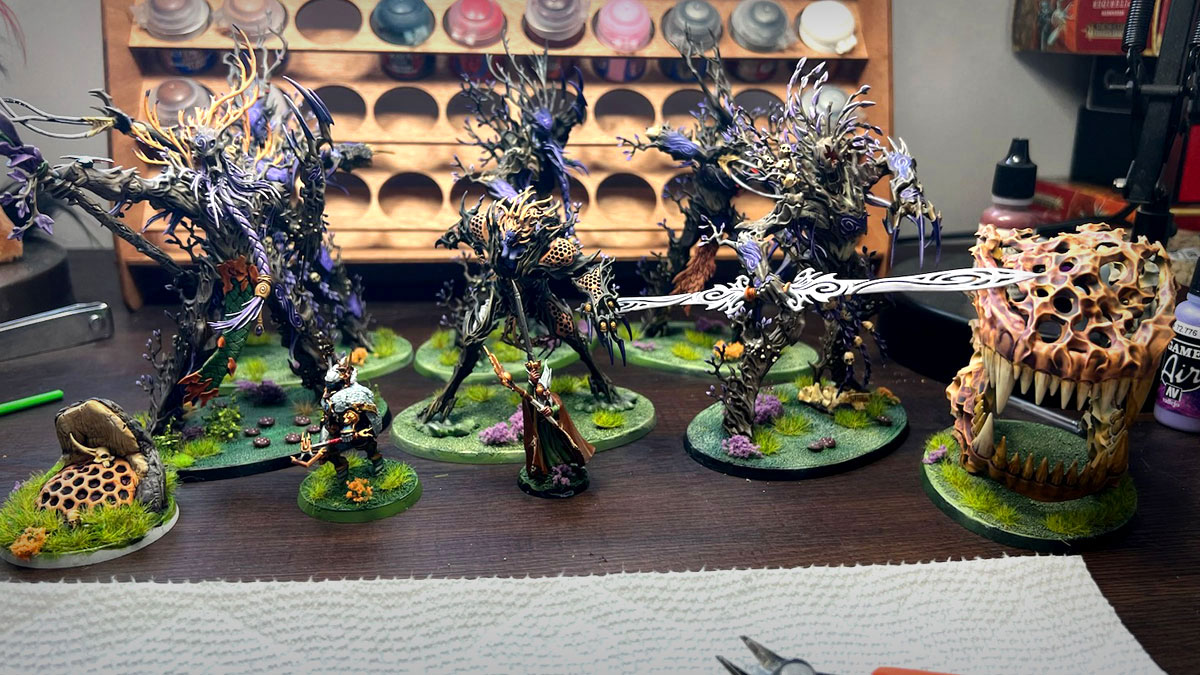
Miniature Painting
By Travis Perkins
Last time we looked at the basics for getting started painting, this time around let’s look at brushes, palettes, and some other painting products that might be useful for you.
Starting with Pallets:
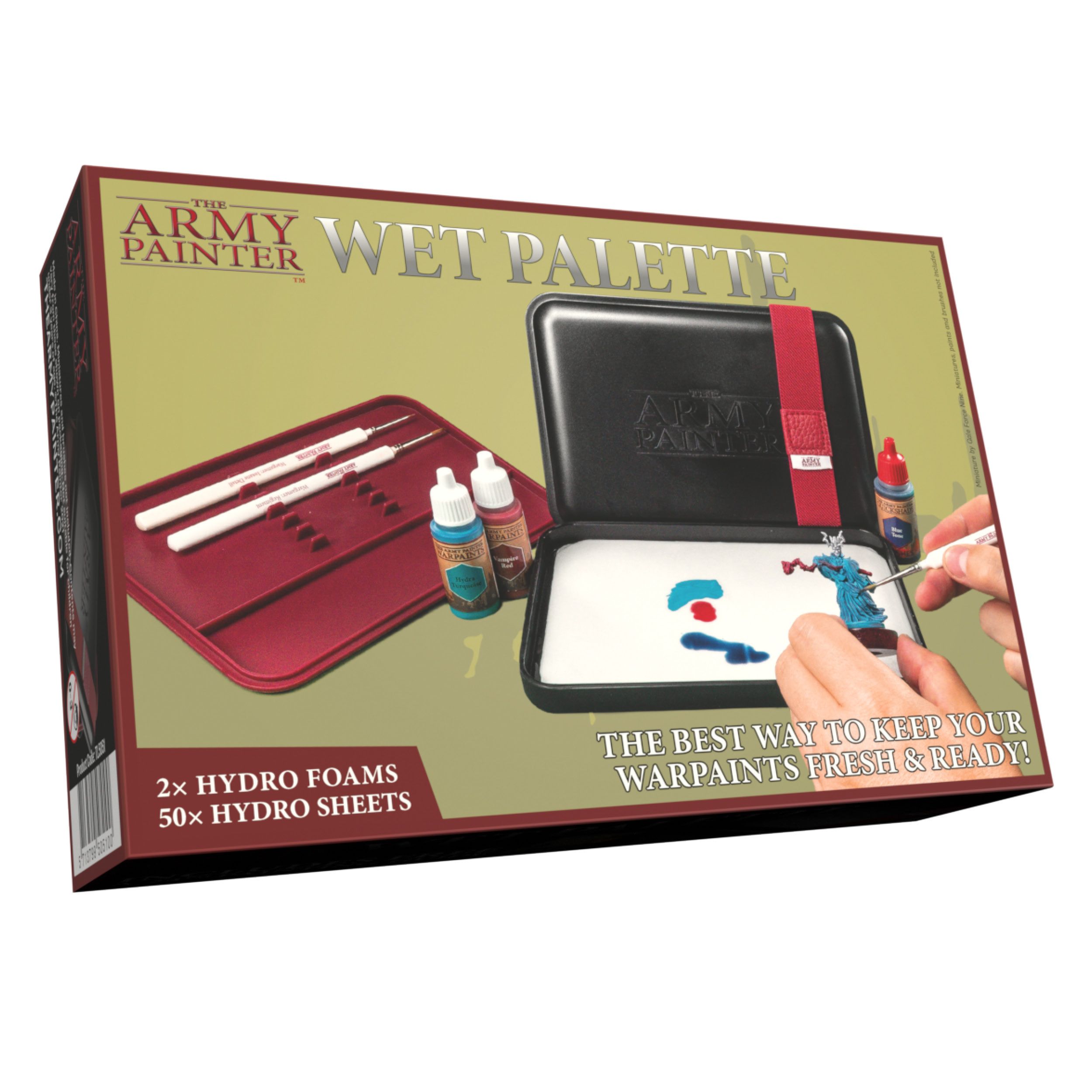
I would one hundred percent recommend a wet pallet over a dry pallet for miniature painting and there is a plethora of options available for purchase. Personally, I make my own using a tuber ware container with some wet paper towel on the bottom then putting a piece of parchment paper over it. Having a wet pallet does a couple of things, the first being stopping your paint from drying out quickly. Having that cool wet layer underneath your paint causes it to dry (in the pallet) much slower than without it so rather than having to dip into the pot more frequently you can use what you put out. It also adds a nice space to mix paints if you decide to explore mixing colors or wet blending. (More on blending later). Be sure to change out the paper towels frequently though as with any sort of paper product that you leave water on it can get moldy.
Brushes:
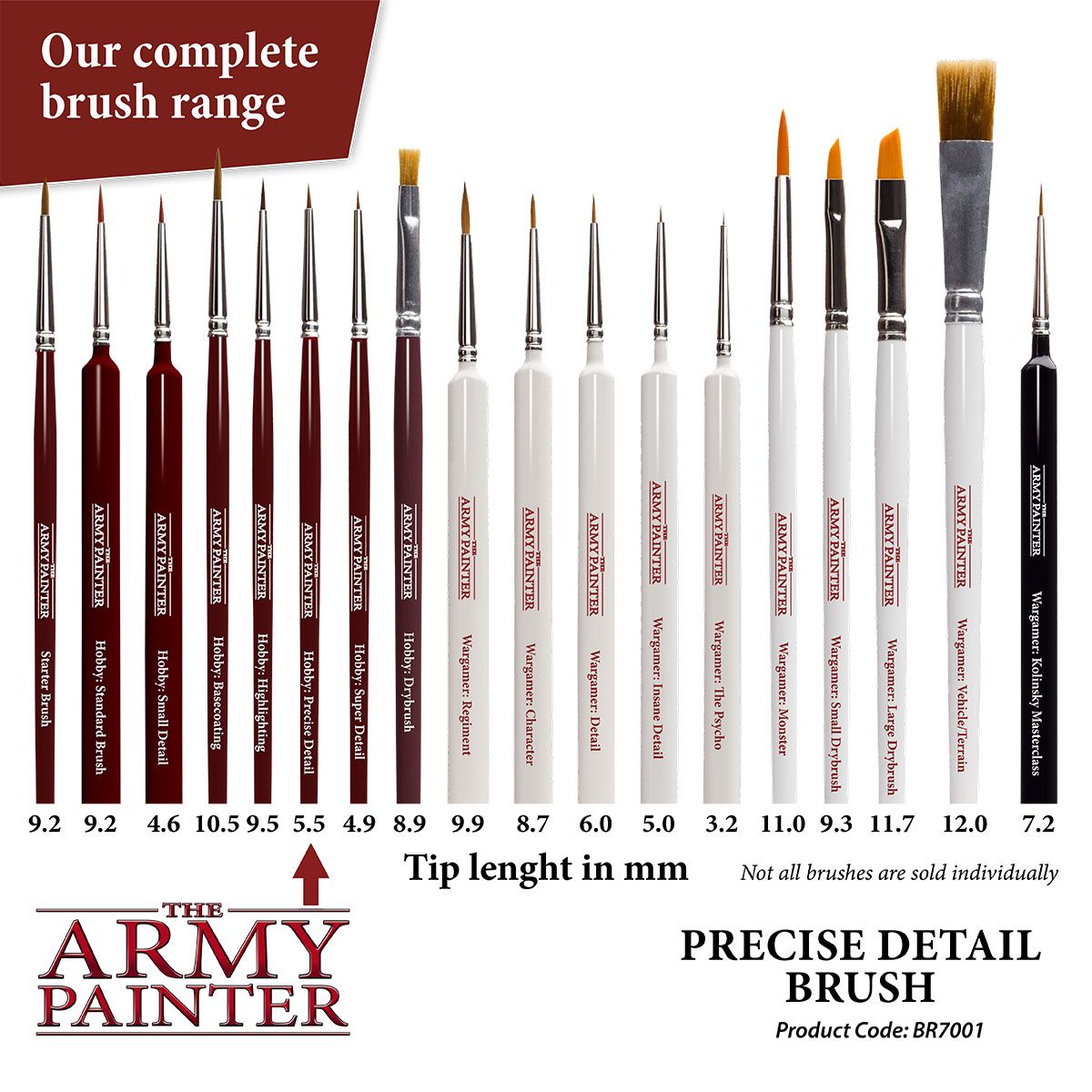
Brushes are a tricky one in that there are so many flavors of brushes out there you really need to find the ones that work best for you. Some golden daemon painters have won using brushes that cost less than 15 cents apiece, while others swear by some expensive brushes that can last you years with proper care. I land somewhere in the middle and generally like to have 3 or 4 brushes that I can consistently rely on. My favorite is an army painter regiment brush that will run you 7-8 bucks but is your work horse. I use this brush for 80-90% of the models I paint because I am most comfortable with it, and I think it gives you good coverage without sacrificing too much in terms of fine detail. My second favorite brush is a good shade brush and for that I like the citadel medium shade brush that is just shy of 10 dollars. I use a lot of shades, washes, and contrast paints and this brush absorbs the thinner paints well and lets you spread it all over. Coming in third is not a single brush but rather a packet of makeup brushes (the cheaper the better) the stiffer though the better. I use these for dry brushing, and I try and dry brush as much as possible especially on larger pieces as it is quick and easy and usually produces good results. My final brush I like a good small, tipped brush like a Windsor newton 00 or extra small citadel brush, I only use this brush for very small details like very fine edge highlighting or dotting eyes etc. Find one you like and matches a price point you’re ok with and use it sparingly.
Other Tools:
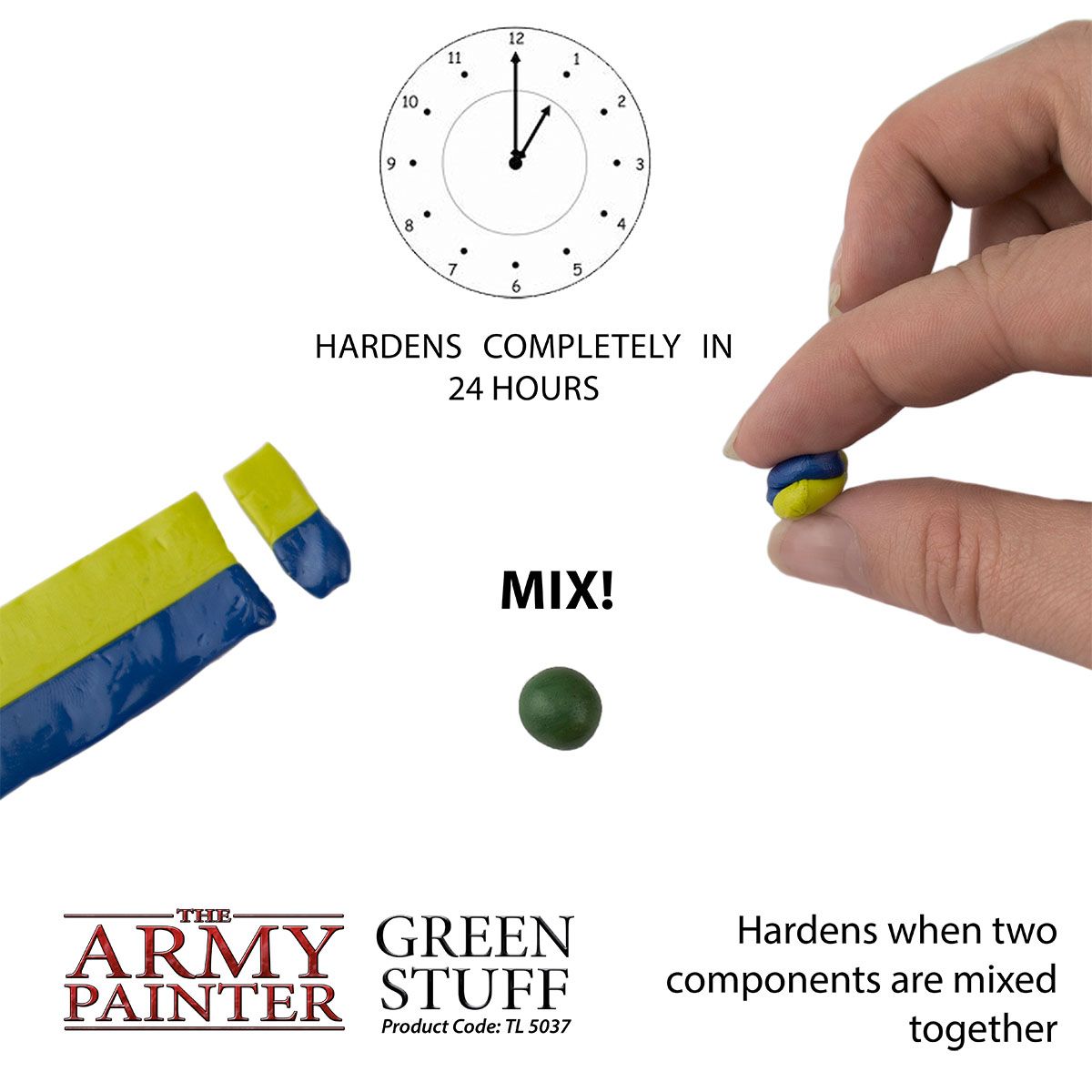
There is a variety of other tools you can purchase for painting your little grey friends, but these are the three that I have found most useful. First is a snake light with magnifying glass. I might be dating myself by calling it a snake light (let’s go radio shack) but having a small mobile light that you can basically take anywhere is very useful. Add in the fact that if you want you can magnify something you’re painting like an eyeball, and it is very helpful in almost any instance. My second tool is one that I would not have normally bought but won in a raffle and I love it. It’s a refillable water pot, the one I use is from green stuff world, and it has refreshing water that you can clear out in between colors. It also has a nice groove that lets you kind of scrape the brush against to clear off any paint or pigment from something like dry brushing. It’s not something you need, and I never would have bought one myself, but man is this thing awesome, and I can’t see going to back to a regular water cup. Finally, I recommended getting a jar of paint brush soap and following the instructions on the jar of cleaning your brushes properly after every use. This little jar will add loads of life to your paint brushes, especially if you are using more expensive ones. If you are using 15 cent brushes and just tossing them after every session though you can skip it.
This is part 2 of my painting miniatures for people who have no idea how to paint miniatures guide, next time I am going to do a brief description on how to do wet blending, edge highlighting, dry brushing, and glazing which should give you a good start to your painting journey.

what kind of player are you?
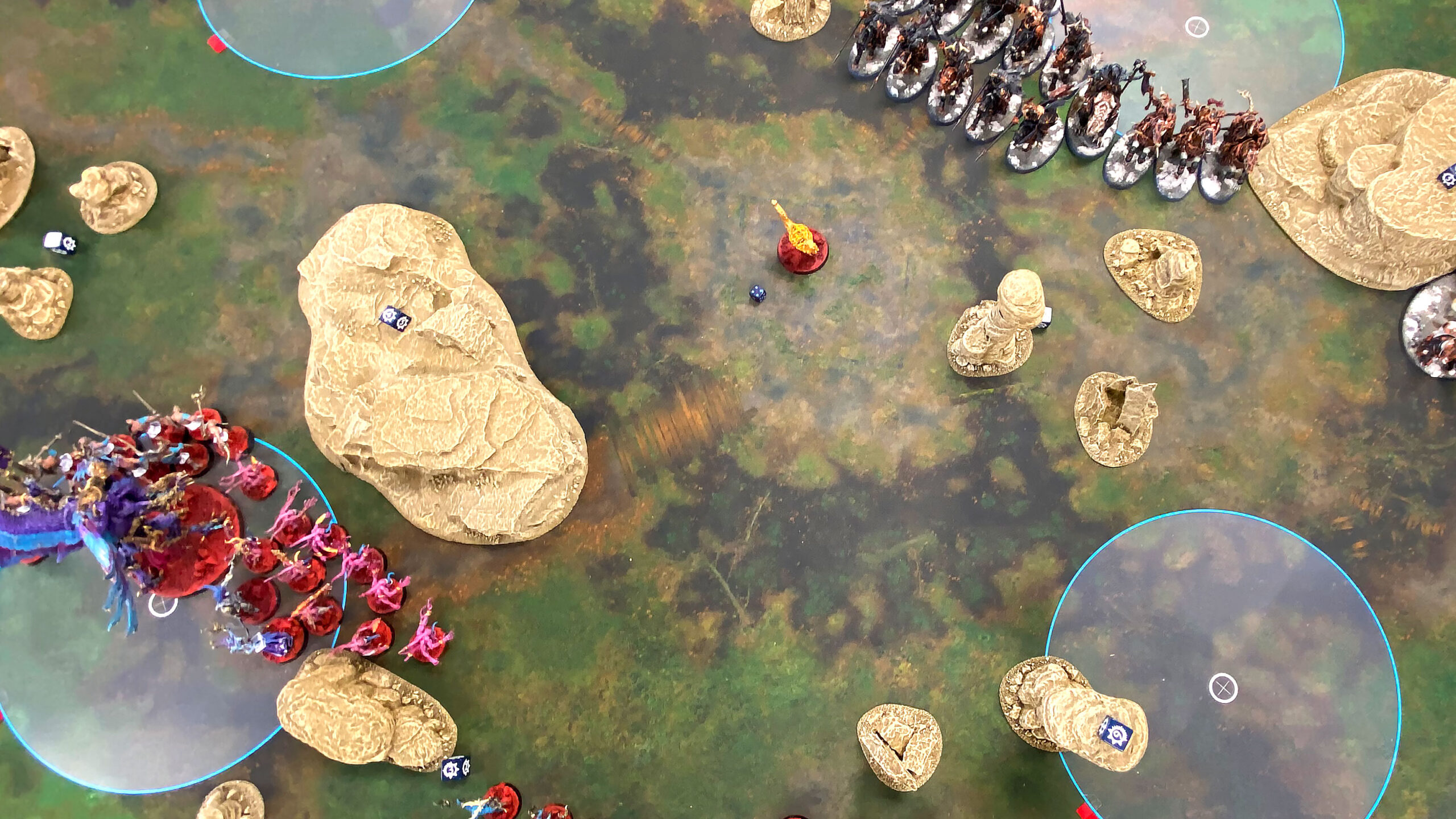
What kind of player are you?
By Jacob Dungey
I’ve talked with a lot of people about playing Age of Sigmar. A lot of the time the conversation moves towards getting into the game and my question to the person is, “what kind of player are you?”
What I mean by this is, are you a competitive gamer? A narrative one? Do you want to play what you want to play, regardless of if it’s “competitive” at the moment? I am a firm believer of know what kind of player you are and what kind of game you prefer, and you’re bound to enjoy yourself. I can count on one hand the number of games where I’ve walked away at the end and firmly had a bad experience and I’ve been playing Age of Sigmar since 2.0.
I like to play on the more competitive side of things. I’m not a meta chaser, but if I’m going to play an army, I’m going to try and do the best I can as often as I can. If you play this game long enough, you’ll see all armies have their time in the sun as well as their time on the bottom of the barrel, competitively speaking.
Regardless of what kind of player you are, I would also encourage you to attend as many events as you can. This is for a number of reasons. First, the Age of Sigmar community is a fantastic one. The overwhelming majority of players are good people. Even top-tier players are great to play against. Most won’t be “that guy” and are amazing to play against, even as they are beating you on the table. They tend to be generous with their knowledge of the game, so ask them questions after the game is over. Ask them what they think you could have done differently and potentially some decisions you could have made differently throughout the game.
Second, the majority of players are there to have a good time and don’t expect to go 5-0 at a large tournament. What that means is, if you’re not there to go 5-0, you’ll most likely get 4 out of 5 opponents that are there to roll dice and play with their favorite toy soldiers. Yes, you may get paired round 1 with that person that is trying to go 5-0, and that may be a less enjoyable game overall, but from round 2 on, you’ll most likely be playing people that are a similar type of player as you.
Third, you tend to get exposure playing against armies you wouldn’t normally get to play against otherwise. Most people have a group of players they play with on a consistent basis and, within that group, there isn’t access to every single army in the game. As a result, you tend to get a lot of experience against, say Stormcast Eternals, but little to no games in against Nighthaunt. Going to events gives you the experience against armies outside your typical group of opponents.
Finally, and, in my opinion, most importantly, you get to meet other members of the community. As I said initially, the Age of Sigmar community is a pretty fantastic collection of people. Getting out to events in your area will allow you to get to know more people in your area. Not only as gamers, but on an individual level. Seeing them and getting an update on what’s going on in their lives, as well as bringing them up to speed on yours, is a great way to build lasting relationships. No, you may not become best friends or have BBQs in each other’s back yards, but with some, you might. Having a common interest in gaming is a foundation to spark up conversation, learn more about people and make friendships. It helps build the community in positive ways and makes the community more welcoming and inviting to those that it otherwise would not.
So, if you’re thinking about picking up Age of Sigmar and getting into the hobby, I would encourage you to. Look on the Games Workshop website for an army you like the look of and try to answer the question of “what type of gamer are you?” and I think you’ll truly enjoy this game, this hobby and, most importantly, this community.

Tasty Lava Cakes: All About That Base
Tasty Lava Cakes: All About That Base
By Jeff Campbell-Crawley
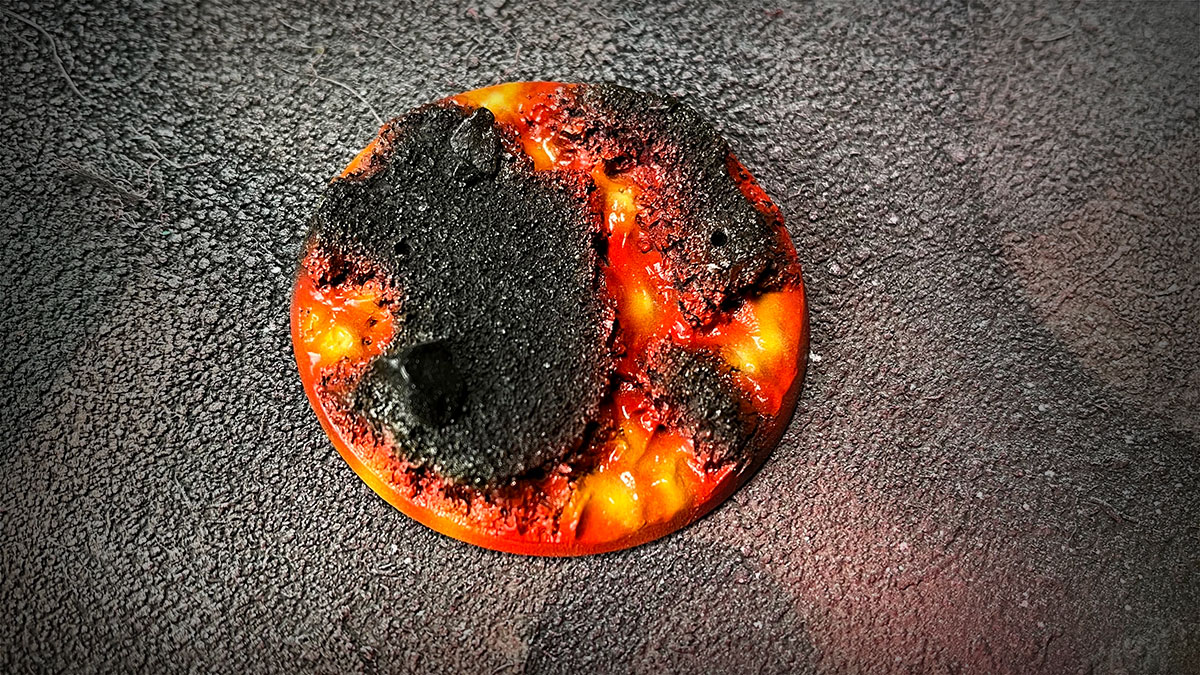
As a miniature war gamer, it’s all about getting that painted army on the table. I spend a lot of time and effort trying to get my armies looking as good as possible to a point of diminishing returns. There’s nothing quite like a war game with two well painted armies facing off against each other.
One way to really grab people’s attention is to have awesome thematic bases. Resin or 3D printed bases are a great way to bring a thematic flare to your army. For this project, hot lava is the theme and I really wanted to bases to feel hot and dangerous, like Frodo fighting with Gollum in Mount Doom.
Here is a great, and easy way to really make your lava bases pop. This entire tutorial was done with 90% airbrush. I used a Harder & Steenbeck Infinity with a .02 size needle .
STEP 1:
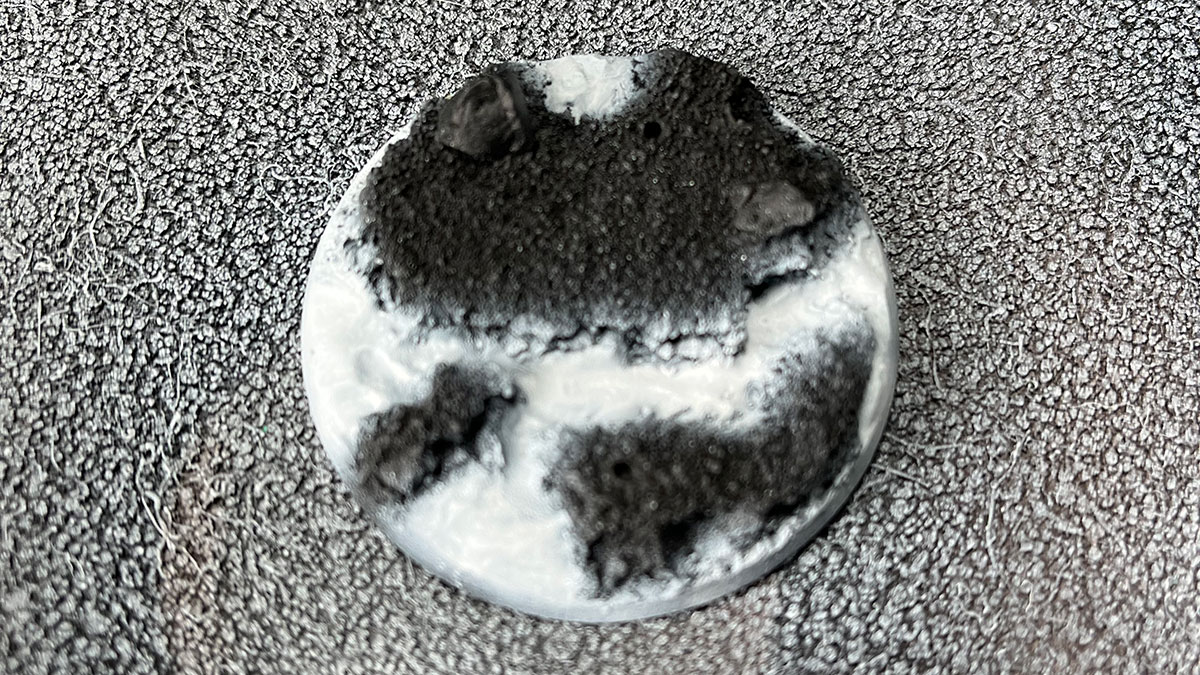
After priming the base black, apply white over the lava area, for this project (and almost any white paint I use with an airbrush) I used Vallejo White Artist Ink. Try to keep the white contained to the lava area as much as possible, but you don’t need to go to drastic measures.
STEP 2:
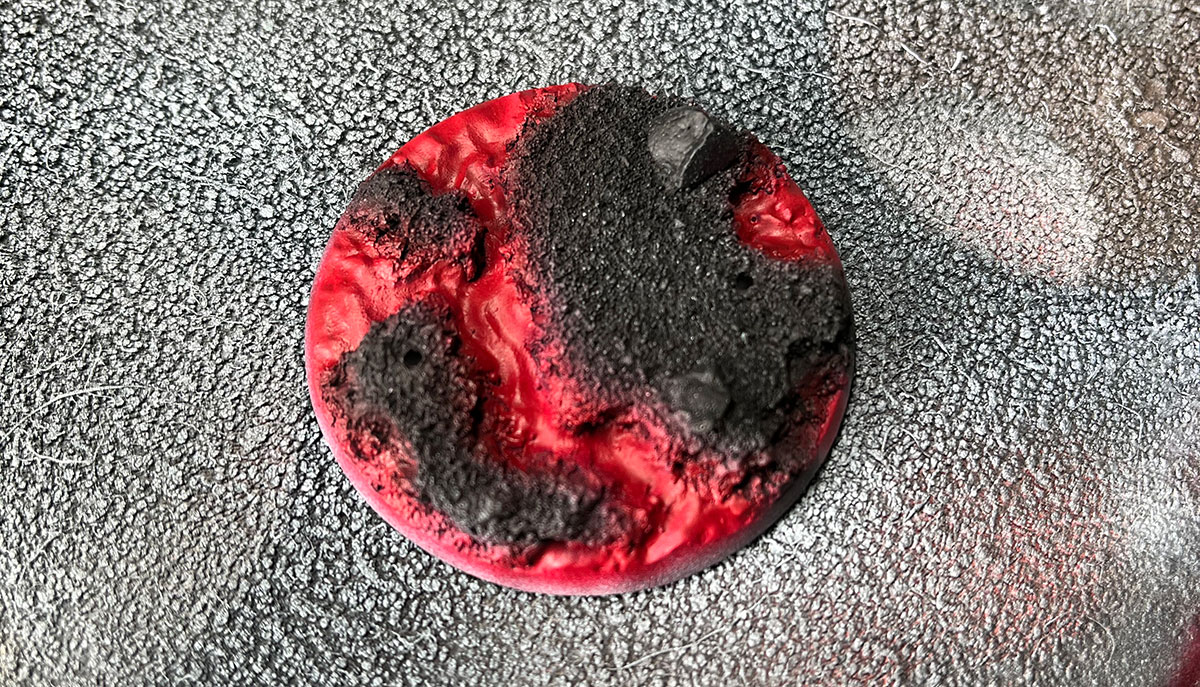
Grab a deep red and cover all your white you put down in step 1. I used Vallejo Air Gory Red, but grab any red that’s not too bright.
STEP 3:
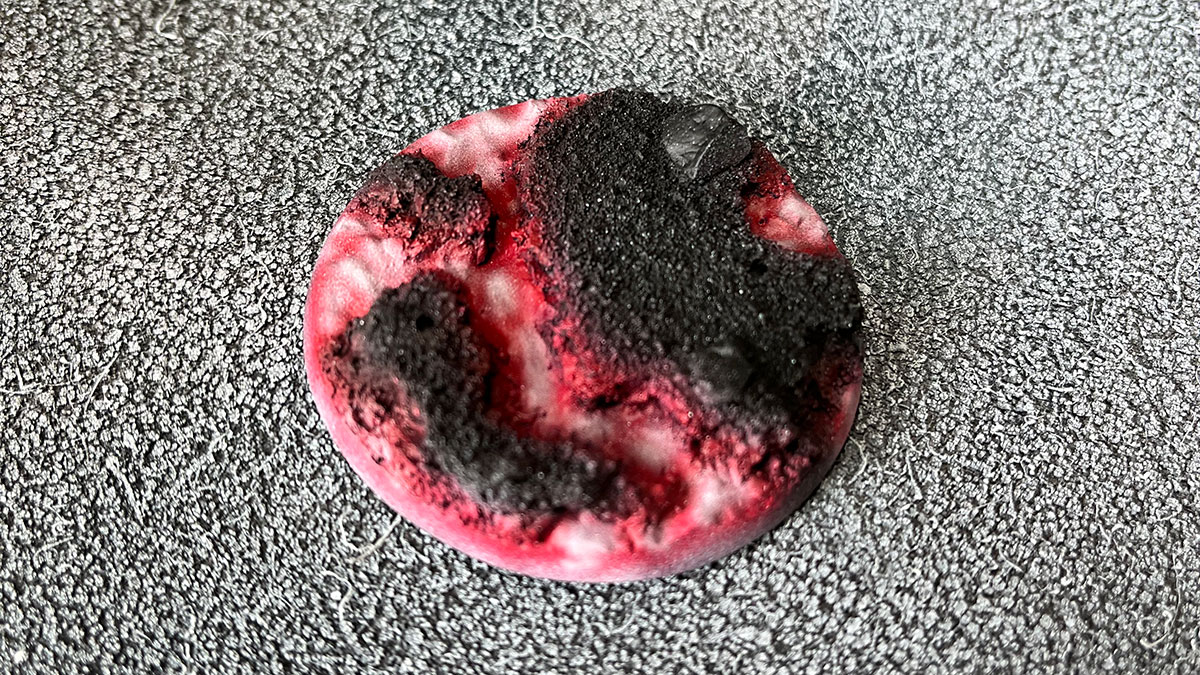
Here’s where you need to display some airbrush control. It’s time to start adding some extra heat to the lava. Use the white you used in step 1, and strategically hit about 50% of the red with white, focusing more on the middle areas of the lava, away from the rocky edges.
STEP 4:
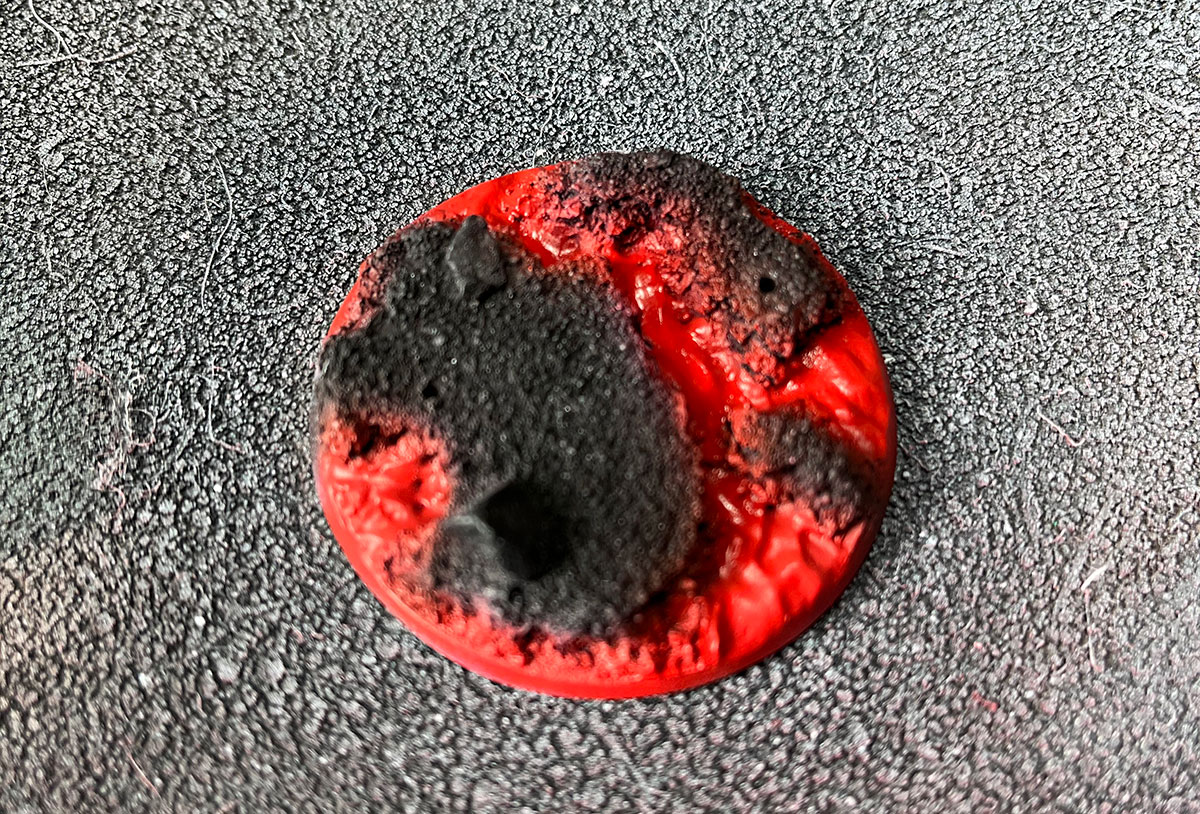
Find a brighter red paint, here I used Vallejo Air Blood Red. Paint over all the red and white areas. Red is translucent paint, so the darker red areas will stay pretty dark, it’ll just now have an brighter tint to it, while the white areas should now be very red.
STEP 5:

Load your white back up in the airbrush and now repeat step 3, instead now, you’re looking to cover about 50% of the bright red area (leave the dark red area alone).
STEP 6:
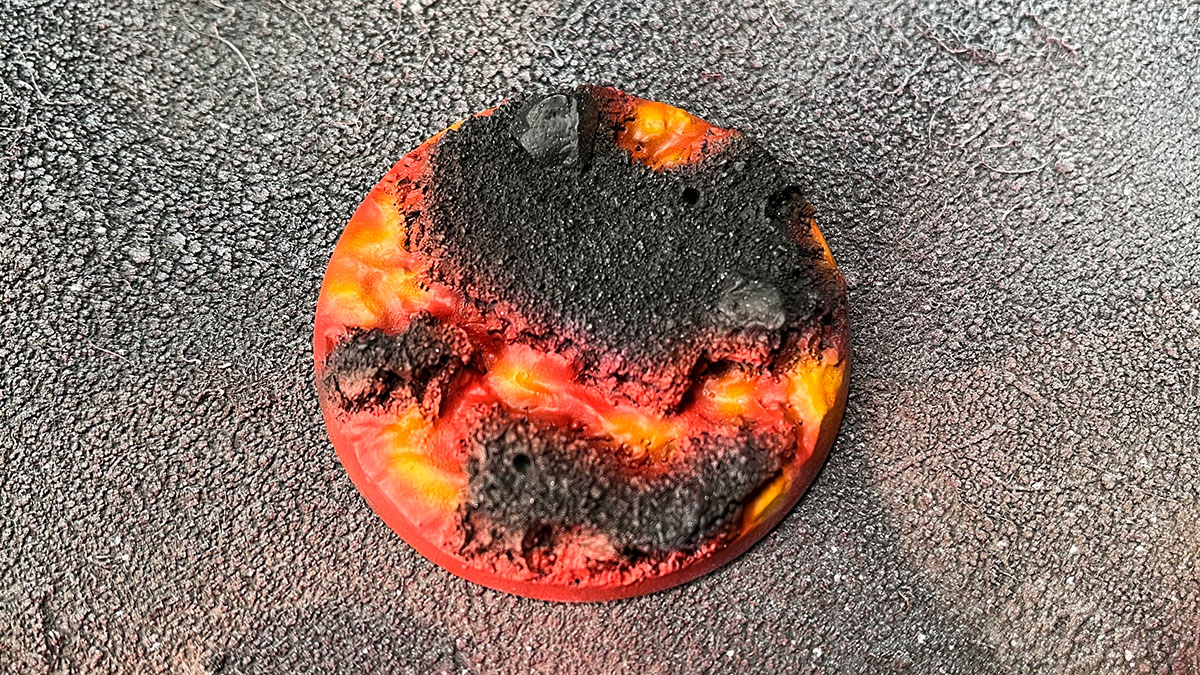
Find a good orange paint that leans more red than yellow. Here I used Vallejo Air Hot Orange. Orange tends to be very translucent. Paint the orange over the entire lava area. The red areas will remain pretty red, but with an orange tint.
STEP 7:
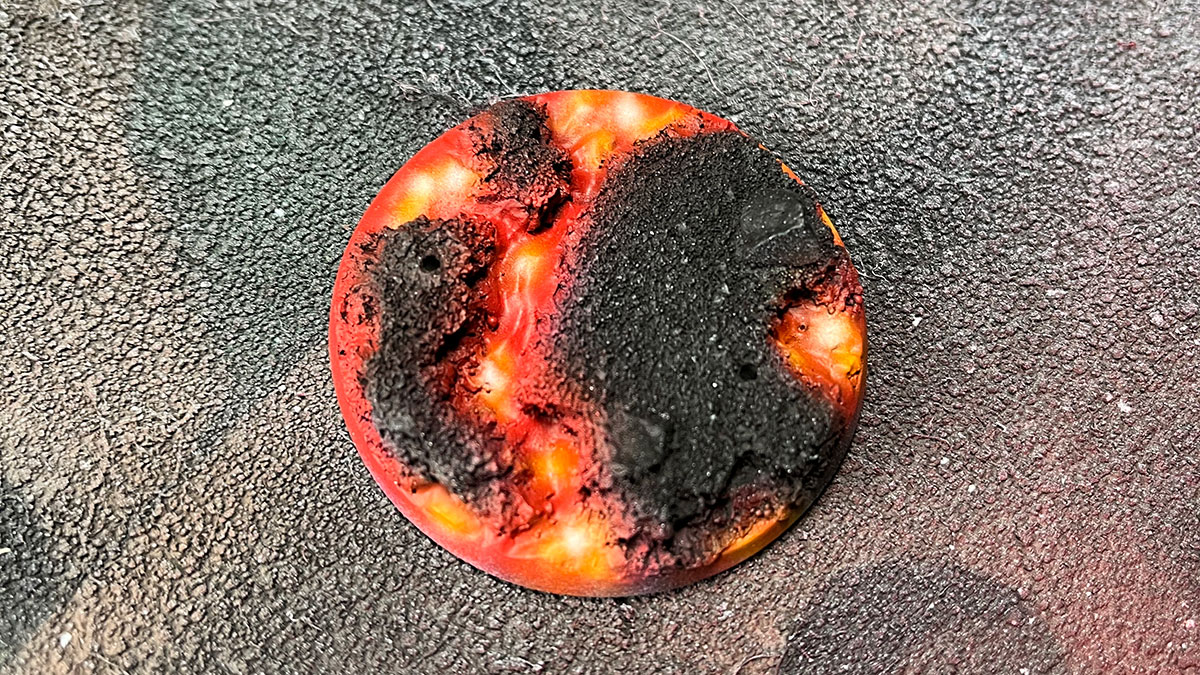
Time to load that white one last time. This time you’re only going to focus on very small areas, where the lava is the hottest.
STEP 8:
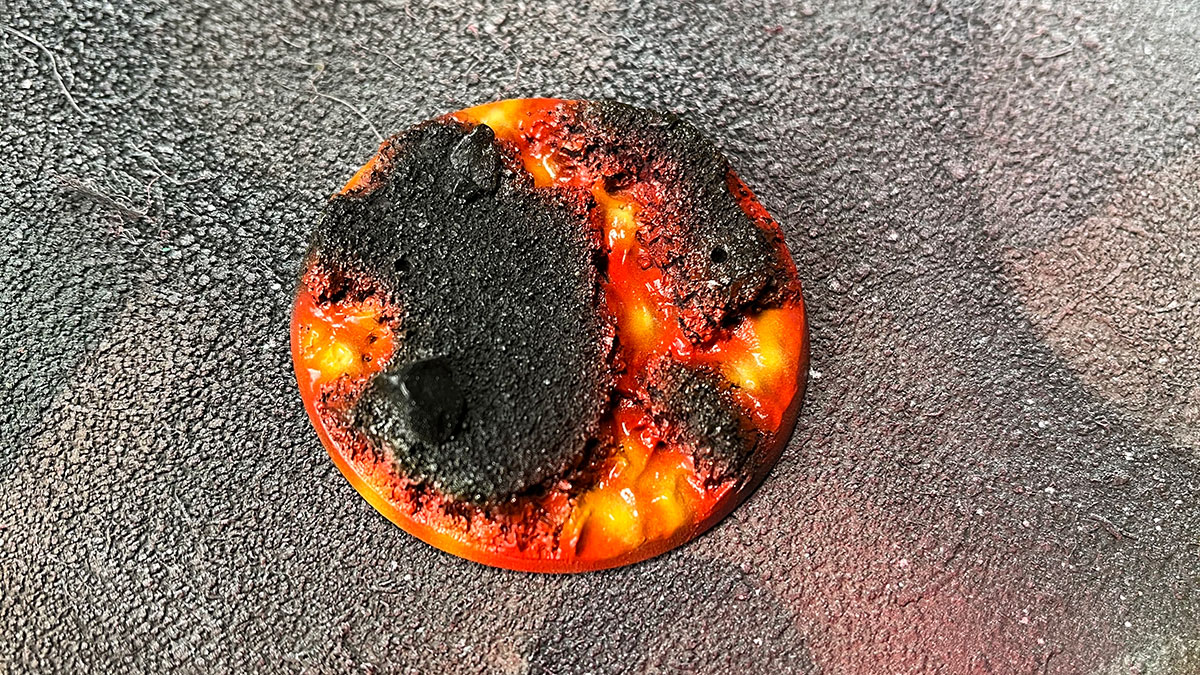
To really bring the heat and tie all the colors together, we’re going to shoot a yellow filter over the entire lava area. For this step, I used Badger Ghost Tint Yellow, it’s basically an ink. Airbrush the ink over all the lava. The white-hot points should now look bright yellow and painting the rest of the lava with the yellow will draw all of the colors together and give a very smooth transition.
STEP 9: FINAL STEP
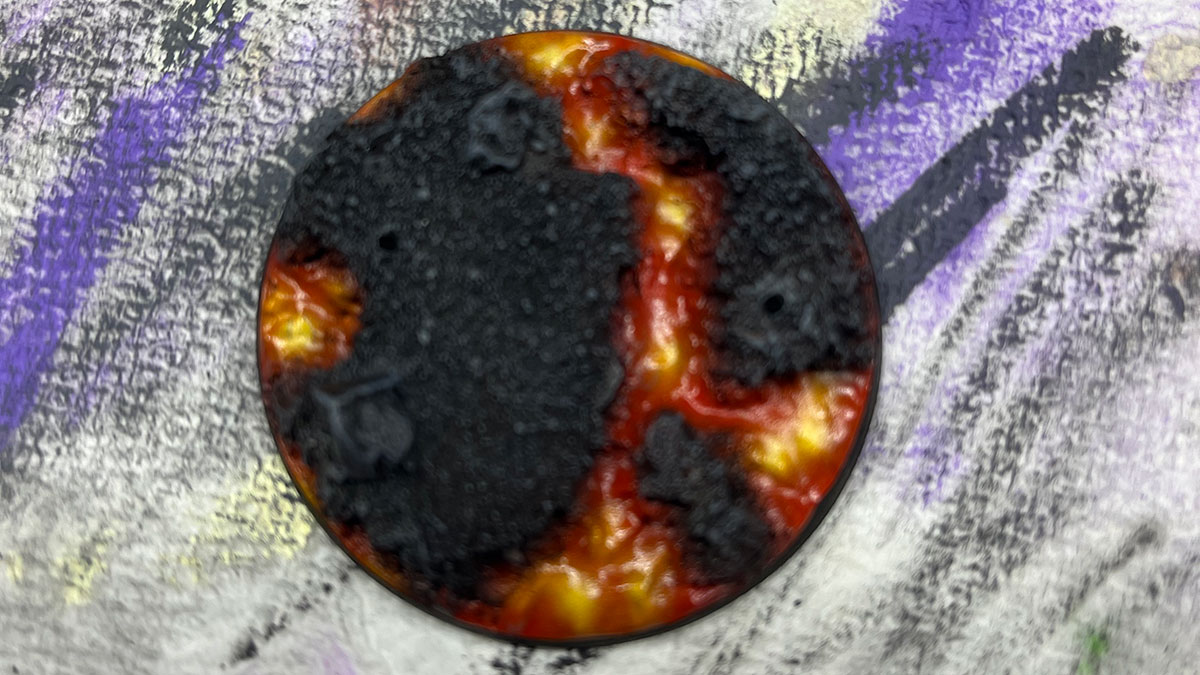
Now that the lava is looking hot and dangerous, it’s time to bring the rest of the base home. Put some black in your airbrush and carefully hit the non-lava surface. You can leave a touch of the lava color on the very edges if you want as that can give a bit of OSL feel to it. After the black dries, hit it with a light drybrush of grey. Then, I painted the rim of the base black with an analog paint brush.
9 Steps for a base feels like a lot, but this is fairly easy. It works especially well when painting in large batches.

How I stopped worrying and learned to love the dice – One weirdo’s perspective on making the jump into competitive play.
How I stopped worrying and learned to love the dice – One weirdo’s perspective on making the jump into competitive play.
By Will Chaffee

It’s a well-known fact that the competitive wargamer is a fraction of a fraction of the wargaming hobbyist writ large. There’s a lot of moving parts in that equation – as anyone taking the time to read an article like this would likely be aware of already.
Actually making the leap can be a bit of a daunting proposition. I know! I’ve done it myself! And since I went all in a few years back I hope that sharing my experience can help someone else out there do the same.
Just to give you a bit of background – I’ve been interested in the hobby since I was a glassy-eyed child and my parents would use the hobby store as an unpaid babysitter while they went off to do their shopping and maybe sell my siblings for magic beans or whatever. Somewhere around 1997 a friend and I start collecting and painting. We perused the books, and sorta-kinda focused on something that might one day turn into an army – which explains my shamefully assembled and painted core of Eldar (now Craftworlds Asuryani) forces. Then I got married and my painting buddy got a girlfriend. And then WoW happened. And then kids. And then and then and then until 2018 rolls around and new and improved Killteam happens.
The small scale of units but the big scale of terrain fanned a smoldering ember. Priming and painting with the old buddy happened again and with it the internal promise of “At least trying to roll dice and move dudes around”. That meant learning.
And that’s how it happened. As a 13-year-old child the rulebook was a daunting exercise that combined the forces of “making an effort” and “your dudes aren’t invincible”. As a 40-year-old child the rulebook offered a way to play that everyone agreed on. A structure of understanding around which narratives formed organically. After I read and re-read the rules the larger picture came into view. Yeah, it wasn’t perfect, but it was certainly good enough to fan that spark into something more – a deep desire to pit my understanding of those rules against someone else who is like-minded.
And this is the critical juncture.
It’s further where I’m going to make my pitch to you.
At the time I was weaning myself away from online gaming – and anyone who’s played online anything can relate to the problems of matchmaking. Even the crappiest unpopular games with dysfunctional matchmaking manage to get you paired up with someone without you doing anything or going anywhere. And often it’s within minutes. I knew it wouldn’t be that easy, but just going to local stores and hoping for a pickup game was largely unsuccessful.
Ok it was just unsuccessful.
This is a truly analogue experience we’re working with here. And if you don’t have the patience for a 5-minute matchmaking queue then this is going to be eye-opening. Depending on how your local store handles things, you’re probably going to need to put in legwork.
But, in my frantic search for any kind of opponent I happened upon a posting for a tournament happening 3 months and 70 miles away.
And it was therefore written in stone. At least I had a game coming up!
There’s a wonderful sense of relief that comes with knowing the competitive expectations ahead of time. Everyone there was going to try their very best. That’s awesome! I better do the same.
With 2 months to spare I managed to get a Killteam buddy. He was looking to get some reps in on his way to Adepticon (and at the time I had no idea what that meant). Oh yeah!
Alright – so this is the first part of my pitch. My very first Killteam buddy is a guy named Nate. Yeah, sure we got our reps in. It also led to fast friendship. Eventually, our families also became close and we did other events together as well.
Thanks to getting some reps in with Nate, I went 5-0 at the tournament I attended. It was narrow, for sure, but it was mine. Nate didn’t do so well at Adepticon, even though his Deathguard were consistently 3-1 against my Astra Militarum.
Come to find out, Nate’s Adepticon roomie ended up taking first in the Killteam event and went home with one of those shiny medals. The hooks were in then. I wanted one. I needed one.
Which is obviously how it snowballed from there over the course of years.
My first actual-factual GT was the Michigan GT. After years of Killteam and 3 painted Warhammer 40k armies, I obviously settled on Age of Sigmar.
My reasons are my own.
We can talk about that in a different article.
I went 3-2 in my first GT (and with only 4 practice games under my belt I feel pretty good about that in retrospect) and went home delighted but exhausted.
But here’s the next part of my pitch. My very first GT opponent was a lovely gentleman named Kamran, who drove to 5 hours to the event which was also his very first GT. I’ve since seen him at nearly every other event I’ve attended and every time it’s like running into an old school buddy.
I later ran into some other players that I met at the GT in the local store and they invited me to join them for games – under the caveat that competition would be stiff.
YES.
I’ve been out with those guys nearly every week since.
Yeah, I’ve been getting my crap pushed in nearly every week for over a year.
Due to that I don’t feel like I can authoritatively write about winning strategies yet – but I can write about why you want to try. Yeah, you’ll lose some games. You might even go as boldly as me and lose most of your games.
But now I’ve got some buddies I would move furniture for. Now I know a married gaming couple out of Indiana that I’ve seen 3 times in my life and have giddily sat to chat with them about dwarves for an hour.
Yes, dear readers – you probably see where this is going. The real prize is indeed the friends you make along the way.
Unfortunately, those weirdos start complaining when you jam them into a trophy case. C’est la vie.
Besides the camaraderie – which is worth it all by itself – there are other reasons to get into the scene.
And hey, I don’t know what got you into wargaming in the first place. As mentioned before, I was primarily a painter for 20 years. I didn’t think the tournament scene would be the type of place I would enjoy – I carried with me this internet forum-bred preconception that it would be a den of joyless try-hards.
As if trying hard made someone lesser.
Recall for a moment that we’re playing violent make-believe with dolls and dice. Any amount of effort that your opponent puts into the game is entirely for the benefit of the person across the table from them.
And when the game is done, you get to work through an after-action report together and geek out about lore or painting or dramatic moments granted by the dice and on and on and on.
And if you stick with it, you will be lucky enough to have moments like watching your buddy Kamran end up on the livestream at Adepticon. Or watching the kid who fell in love with the hobby after demoing with you once end up at the top table for game 5 the Michigan GT. Or laughing until you cry with a delightful opponent because his priestesses could not drink blood and yodel simultaneously. As I write this, I’m days away from the Motor City Mayhem GT and I legitimately hope that everyone who was there last year is there this year and I hope you can make it out too.

Infection at Outpost 31: Can you ever really trust your friends?
Infection at Outpost 31
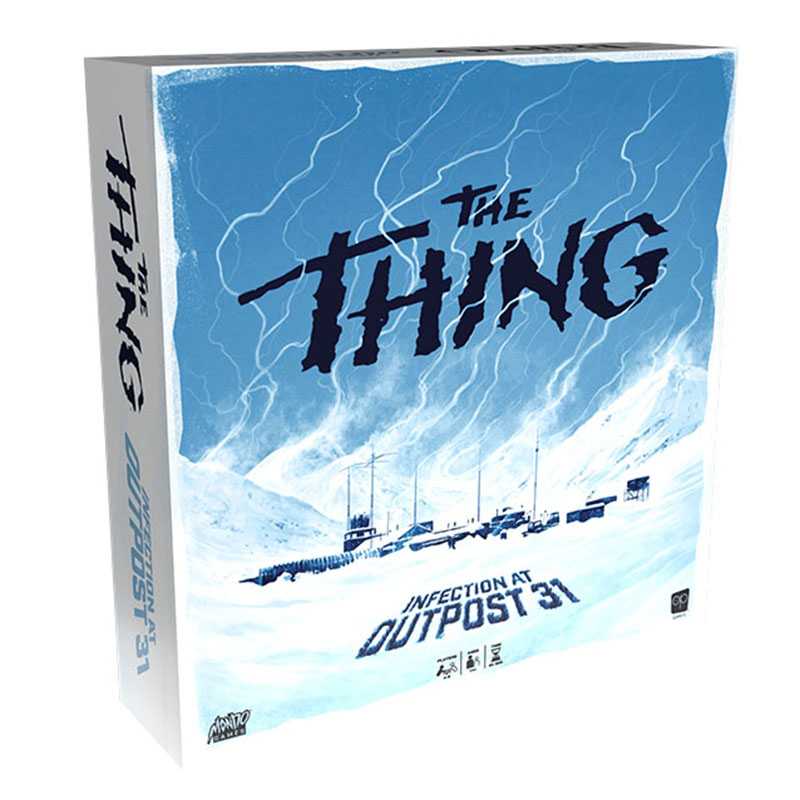
Can you ever really trust your friends to not stab you in the back while escaping Antarctica?
Infection at Outpost 31 is a board game based on the cult classic remake John Carpenter’s “The Thing” centered around learning which of your friends is human and which is a terrible assimilation creature from space.
This is a game of chance and deduction, trying to figure out who is working against the group while also accomplishing objectives with random supplies.
The object of the game depends on which side you randomly end up on, human or imitation. Humans will use cards and teammates to complete missions to gain supplies and advance to a win. Imitations will use sabotage cards to hinder investigations and advance their own win by spreading contagion throughout the team.
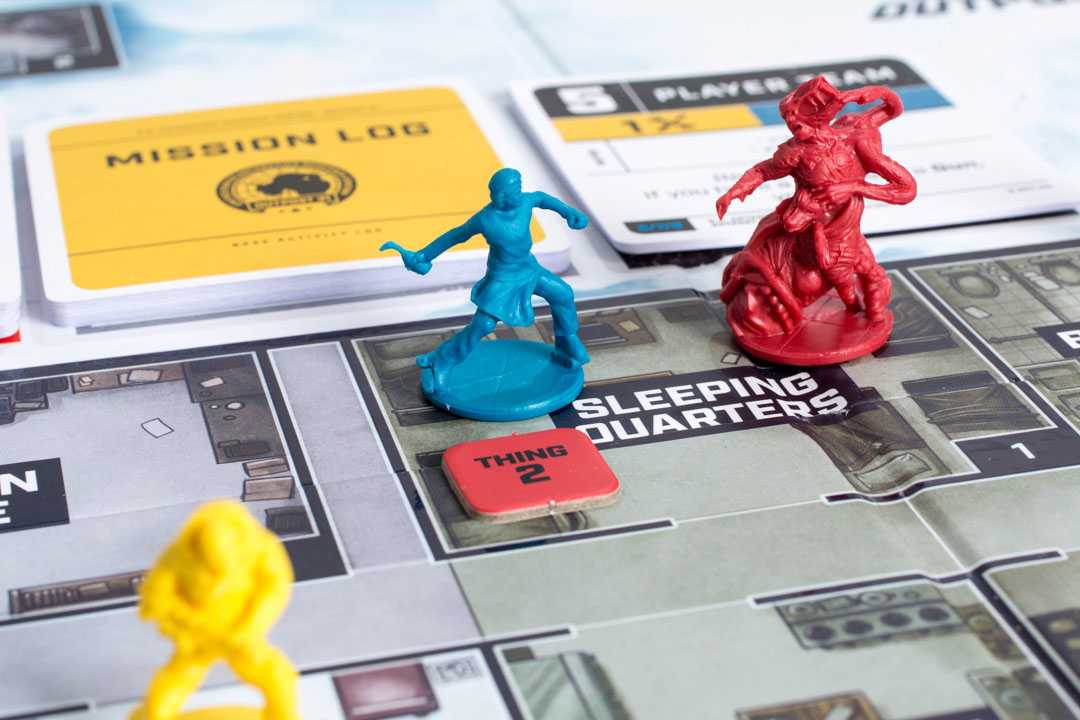
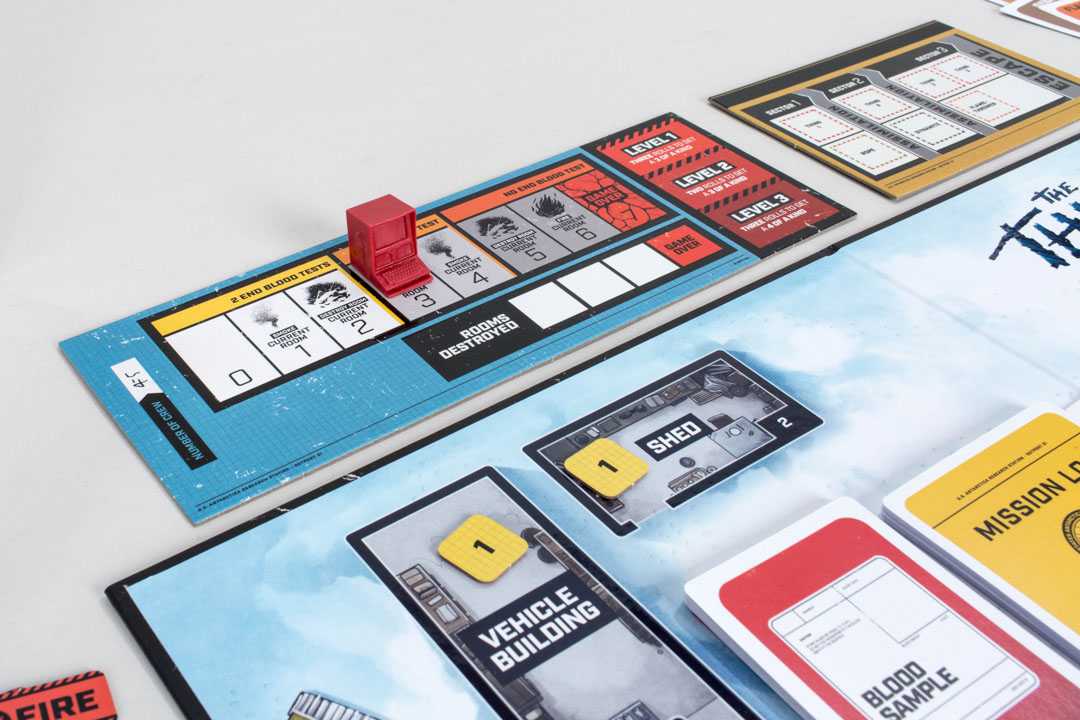
Through these investigations, humans can continue to move through the compound and find a way to escape Antarctica through chips placed in each room. Only through defeating the thing and acquiring the correct item can you move on to the next sector, getting closer to your goal.
When enough contagion has spread, players that may have started as friends turn to foes with a random selection of who becomes an imitation
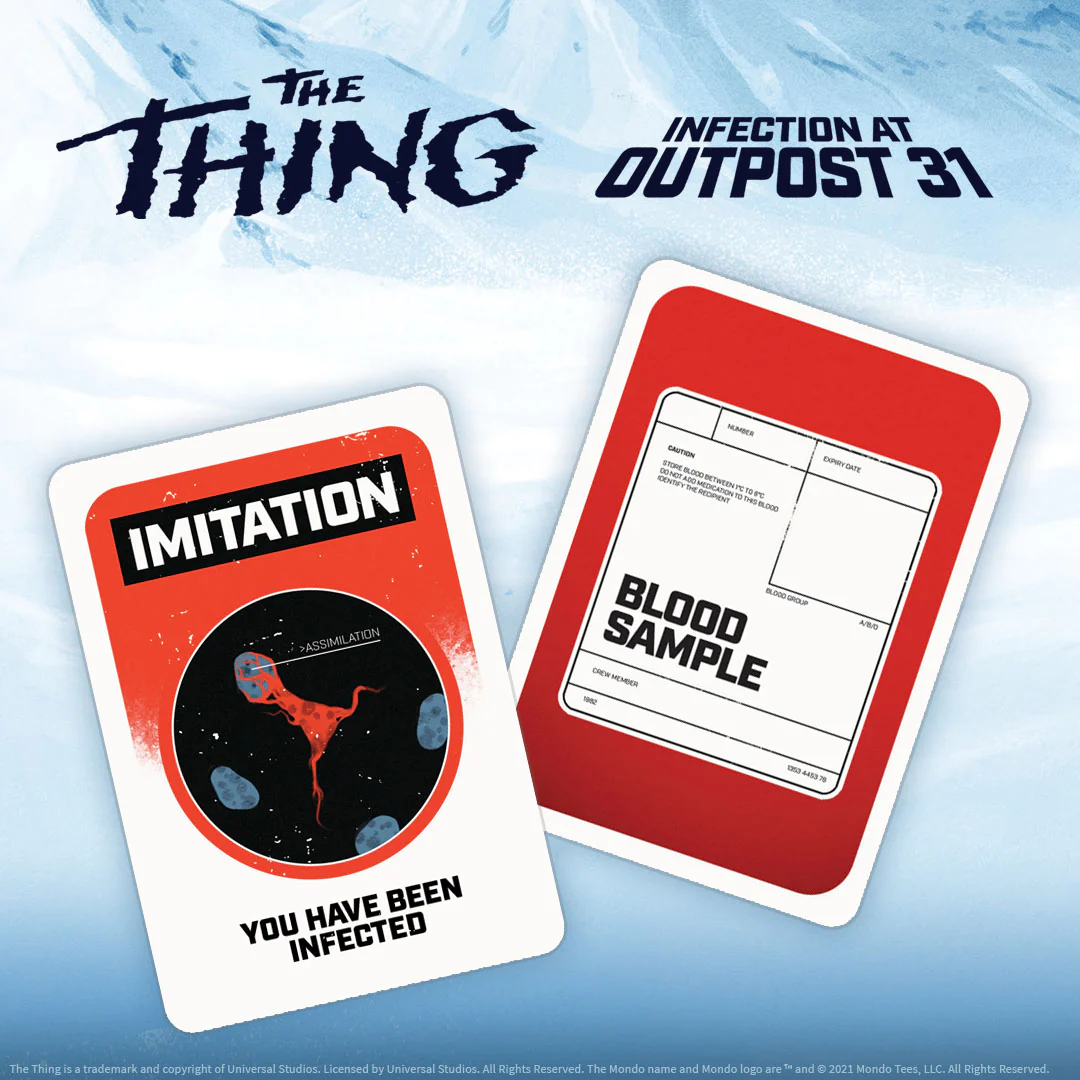
I really enjoy this game for its simple setup and premise. As a big fan of The Thing film, I think this does a pretty good job of giving the feeling of anybody being an imitation. Just because you are an imitation, doesn’t mean you want to be throwing sabotage cards out all the time. Maybe you just throw out some weaker cards, or maybe you only put in a sabotage card when your friend Jerry is on the team. Or when you are captain, you put the characters with the worst set of cards onto the expedition.
While there is no immediate threat to imitations, they can be refused to be taken on missions or later items can tie them up or incinerate their character, giving later consequences for being found out.
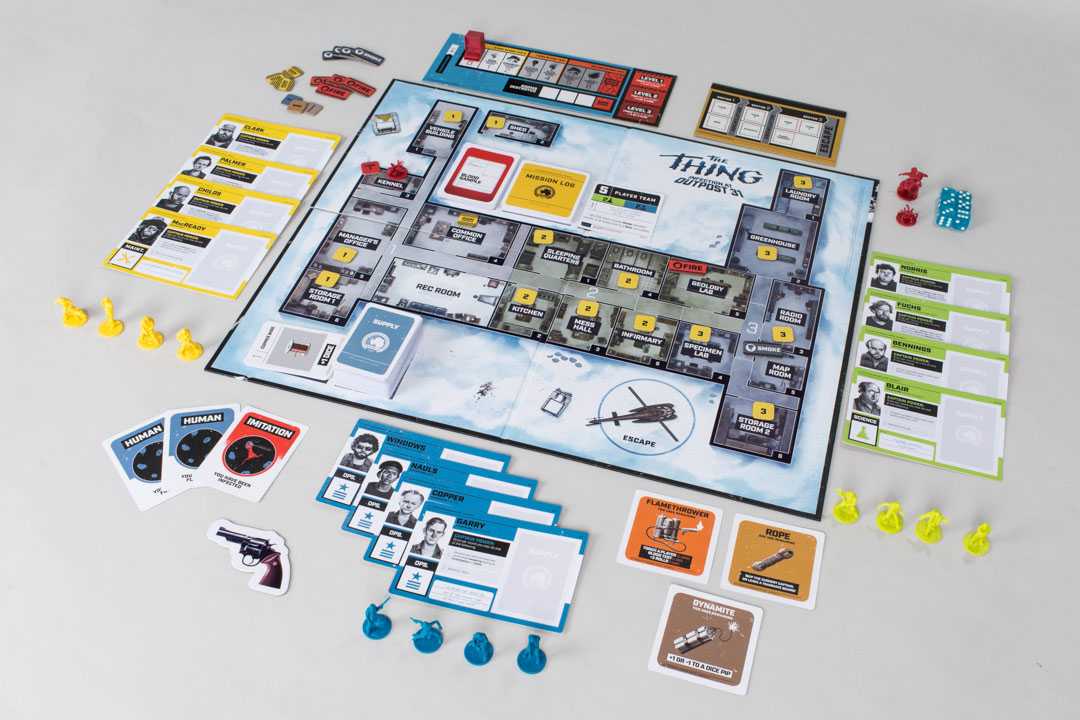
The only downside to this game is that it is not as fun with less people. You have less people to choose from which makes finding the initial imitation much easier and you have less choice on who should be taken on missions. If the imitation ends up being the only communications department member, they will probably be taken on every mission, making it much easier for them to win. So, get as many people as you can to come live out your Antarctic horror fantasies.
This isn’t so much a fault of the game, but a fault of the deduction board game genre, so it’s hard to hold it against the game.
The setup is not very difficult, but the instructions could be difficult for people who are not familiar with more complex games. In terms of difficulty, Outpost 31 is at a medium.
I would recommend this game to any horror fans that have a good 6-8 people who are down to play a moderately complex board game.
Pick this game up at your local game store or it can be purchased here by the publisher.
LEARN MORE:
https://theop.games/products/the-thing-infection-at-outpost-31