Author: Tabletop Gurus

Why Cooperative Games Might Save Family Game Night

Why Cooperative Games Might Save Family Game Night

Say goodbye to game night meltdowns. Discover the best cooperative board games that turn competition into teamwork — and fun for everyone.

Why Cooperative Games Might Save Family Game Night

We’ve all been there. You’re three rounds into Monopoly, and someone’s already crying. The board gets flipped, the banker’s been accused of cheating, and family game night quietly disappears for a few months.

Enter cooperative games — the peacekeepers of the tabletop world. In co-op games, you’re not fighting each other. You’re fighting the game. Everyone wins (or loses) together. It’s teamwork, chaos, and communication all rolled into one.

Why they work:

Co-op games make competition feel less personal. They teach problem-solving, strategy, and empathy without the tears. And honestly, it’s refreshing to root for your kids instead of crush them.

A Few Favorites
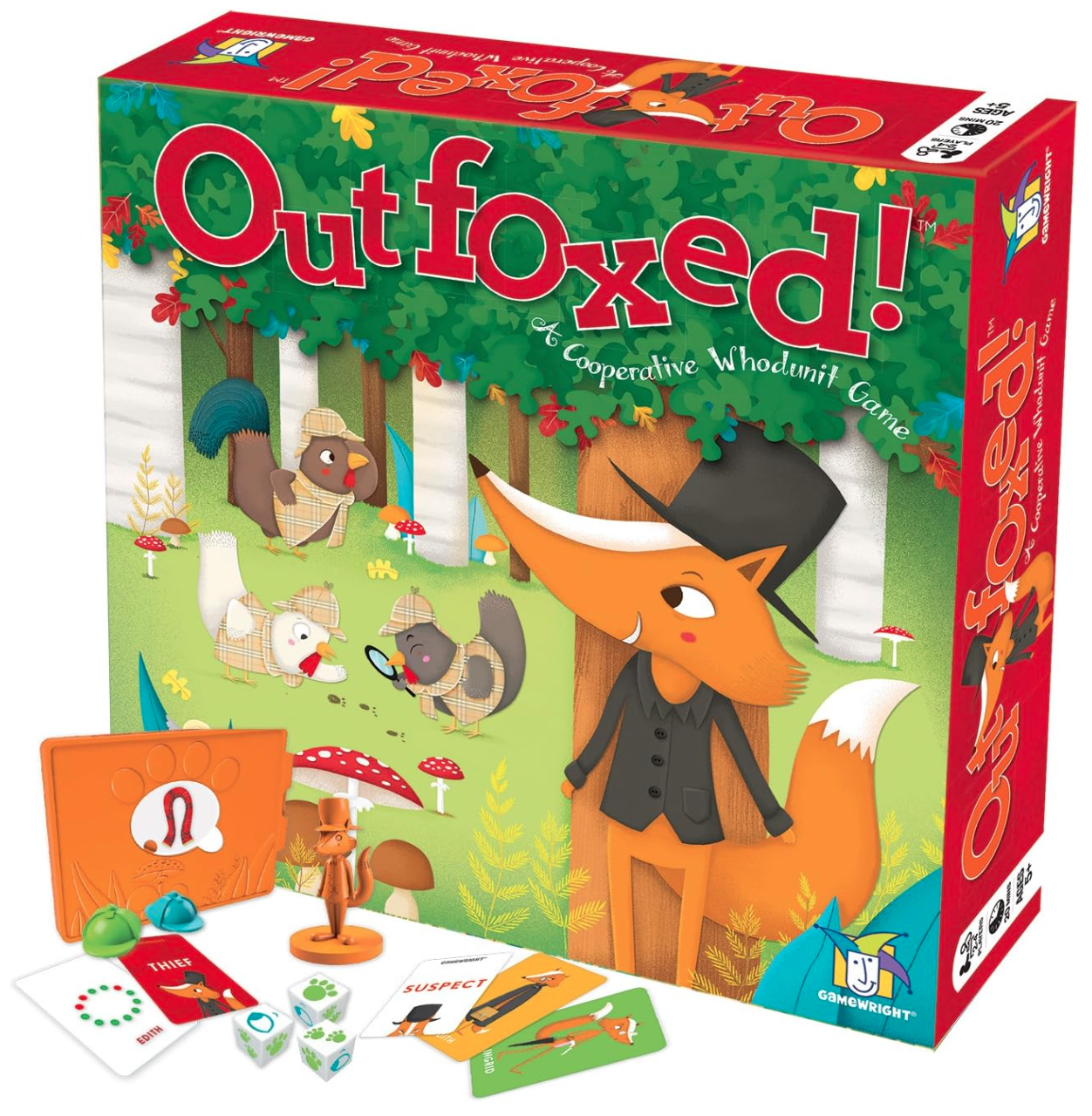

Outfoxed

1. Outfoxed!

A cooperative whodunit for kids where you’ll actually have fun too. Think Clue, but faster and cuter. You’ll work together as a team of detectives to gather clues, reveal suspects, and crack the case before the sneaky fox escapes. With dice rolling, deduction, and teamwork at its core, it’s perfect for younger players learning how to work together instead of against each other. Best for ages 5–8.
Grab the Game on Amazon


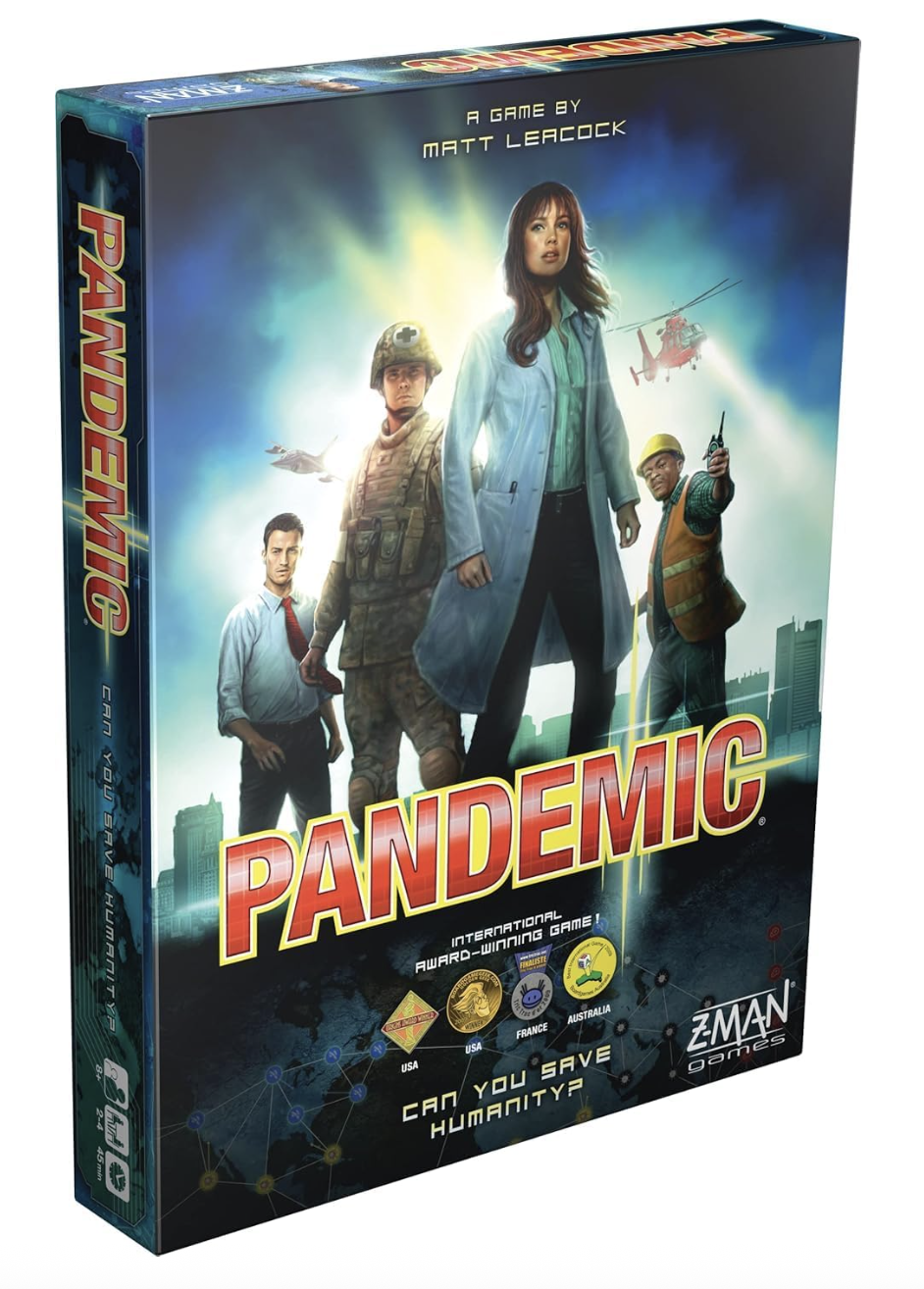
Pandemic

2. Pandemic

A modern classic and one of the best-known cooperative games out there. You and your team play as a group of disease-fighting specialists racing against time to stop global outbreaks. Each player has a unique role with special abilities, which keeps everyone engaged and essential to the mission. You’ll argue, strategize, and probably lose a few times — but when you finally save the world together, it feels amazing. Great for ages 8 and up.
Grab the Game on Amazon


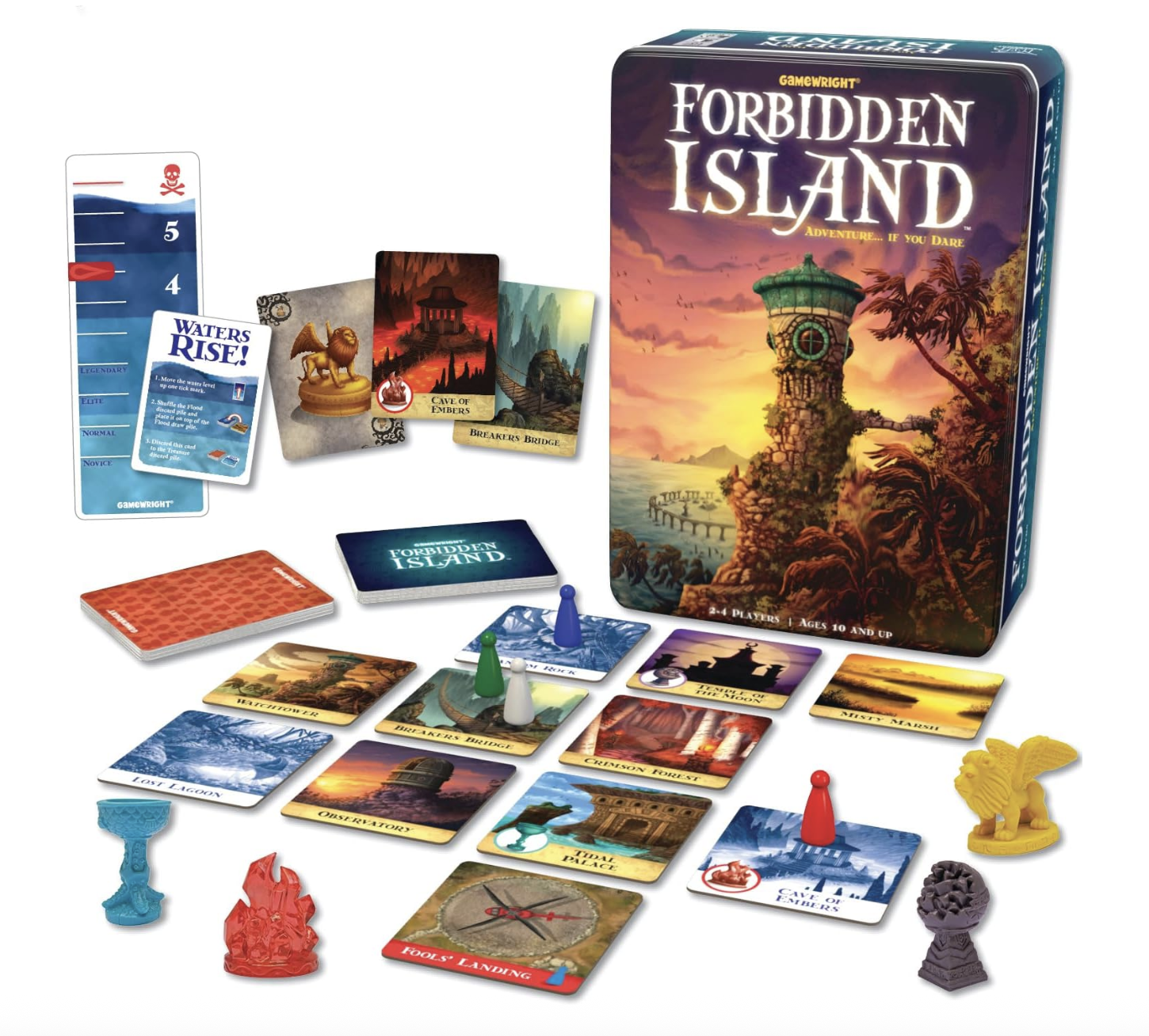
Forbidden Island

3. Forbidden Island

Easy to learn, quick to play, and a fantastic entry point into the world of teamwork-style games. Players are adventurers racing to collect treasures before the island sinks beneath the waves. The game’s tension builds as tiles disappear, forcing creative problem-solving and cooperation. It’s simple enough for kids (and the grandparents) to follow but exciting enough for adults to enjoy. Ideal for ages 10 and up.
Grab the Game on Amazon


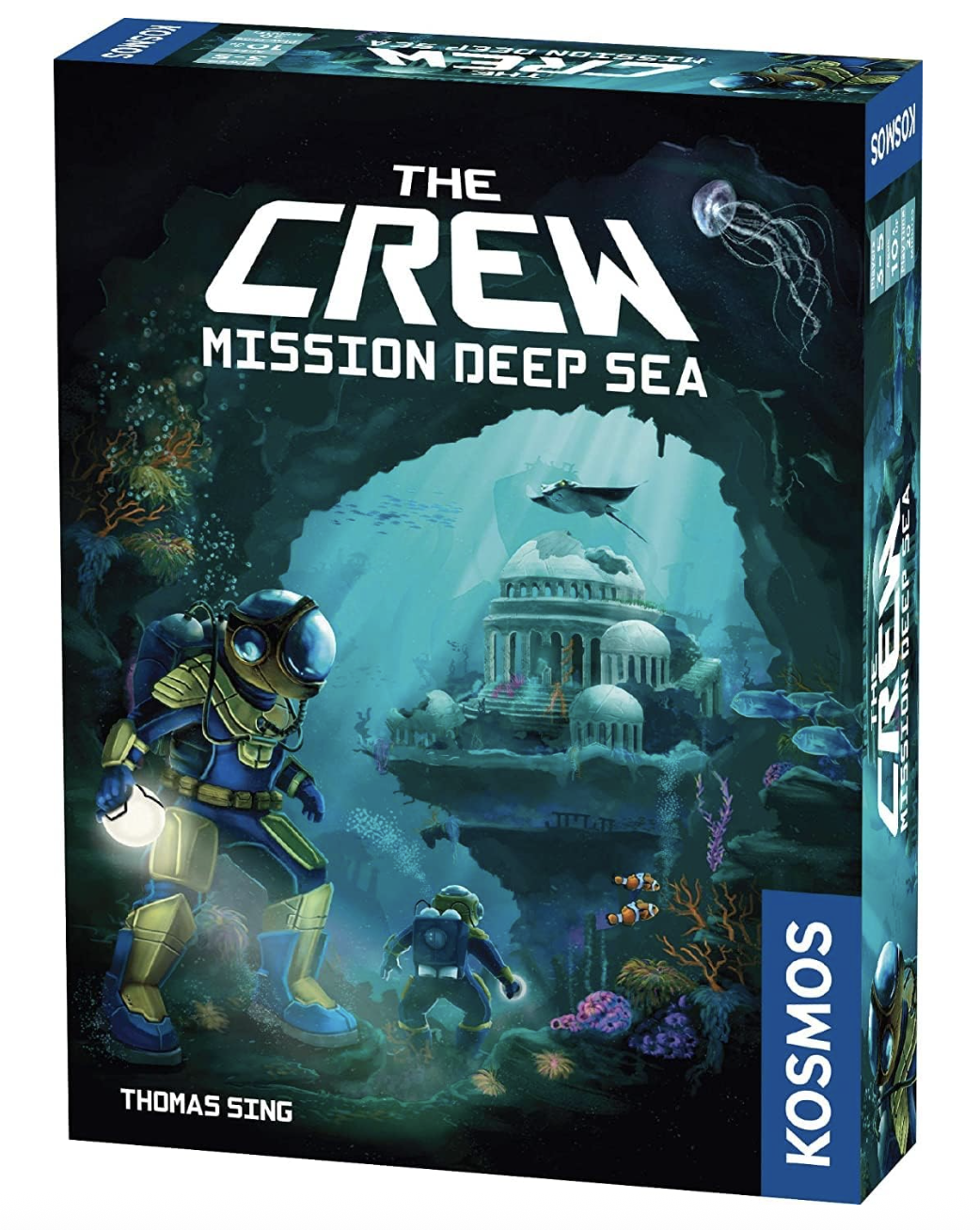
The Crew

4. The Crew

A co-op trick-taking card game that’s surprisingly intense for something so small. Players are astronauts completing space missions — but there’s a twist: you can’t openly talk about your cards. That means you’ll rely on subtle communication, logic, and intuition to win. It’s fast, clever, and incredibly replayable, with missions that increase in difficulty as you go. Best for families with older kids or groups that love card games (ages 10+).

Grab the Game on Amazon


🎲 Guru Tip: Let your most competitive player take on the “leader” role. They still get their spotlight, and the rest of the table gets peace.

Once you try a co-op game, there’s no going back. You’ll still argue, of course — but now it’s about strategy, not who gets the blue piece.


More from Tabletop Gurus

Continue reading

How to Teach Board Games Without Losing Your Mind

How to Teach Board Games Without Losing Your Mind

Teaching board games doesn’t have to be stressful. Here’s how to explain rules, keep players engaged, and actually have fun on game night.

How to Teach Board Games Without Losing Your Mind

We’ve all been there. You’ve invited friends over for a cozy game night. You’ve picked out something fun. Something that’s not too complicated, but enough to keep things interesting. Then, ten minutes in, you’re three rule explanations deep, your friends are glazing over, and someone just asked, “Wait … what are we trying to do again?”

Teaching board games can test your patience more than losing to a ten-year-old playing Uno. But it doesn’t have to be that way. Here’s how to make the process smoother, faster, and (dare we say) fun — for everyone involved, even your kids.

Pick the right game for your group

Before the rules even hit the table, know your audience.
If you’re teaching a group of casual players, Twilight Imperium probably isn’t the move. Start with something approachable — Catan, Ticket to Ride, or Azul. These games have clear goals, short turns, and easy-to-grasp mechanics that still feel rewarding. Proof’s in the pudding – Catan became our gateway game.

If your players are more experienced, then sure, break out the heavy hitters. Just remember: your goal isn’t to impress them with complexity — it’s to get everyone playing together.

Skip the rulebook (at least at first)

Nothing kills game night faster than someone reading the rulebook word-for-word.

Instead, learn it ahead of time and walk players through the basics as you go. Start with the big picture: “Here’s what we’re trying to do and how you win.” Then work your way into the details as they come up.
People learn best by doing, not by sitting through a lecture.

Use examples — real ones

If you can demonstrate a turn, do it. Show how movement works, what a trade looks like, or how combat resolves. Abstract concepts click faster when players see them in action. And if someone’s confused, let them take a mock turn before things officially start. That little bit of hands-on practice can make the difference between smooth sailing and chaos.

Embrace mistakes

Someone will forget a rule. Someone will miscount resources. Someone will build their settlement where they weren’t supposed to.

It’s fine. Let it slide early, keep the game moving, and circle back later if needed. The goal of a first playthrough isn’t perfection — it’s enjoyment. Once everyone’s hooked, they’ll care more about getting it right next time.

Keep the energy up

Nobody wants to feel like they’re in class. Add humor, celebrate good moves, and keep things moving even if there’s a little confusion. If the vibe stays light, people are more likely to ask questions, stay engaged, and (most importantly) want to play again.

End on a win

Even if the first game is messy, celebrate the fun moments — the ridiculous trades, the surprise victories, the epic blunders. That’s what people remember. Not who technically won, but how it felt to play together.

Teaching board games is an art, not a science. It takes a mix of patience, people skills, and humor. But when you pull it off — when the table’s laughing, the game’s flowing, and everyone’s asking, “Can we play again?” — it’s worth every rule you stumbled through.

So next time, take a deep breath, grab your rulebook, and remember: you’re not just teaching a game, you’re building a new group of gamers.


More from Tabletop Gurus

Continue reading

Easy-to-Learn Board Games That Are Actually Fun for Adults

Easy-to-Learn Board Games That Are Actually Fun for Adults

Skip the boring rulebooks. These easy-to-learn board games keep things smart, quick, and fun — perfect for family nights or casual gamers who want strategy without stress.

Easy-to-Learn Board Games That Are Actually Fun for Adults

Sometimes You Just Don’t Want Homework in a Box

Let’s be real. Some board games feel like studying for finals. You just wanted a little fun. Not a side quest in rule interpretation.

That’s where the easy-to-learn gems come in. Simple to teach. Fast to play. Still deep enough to make you think, laugh, and maybe plot revenge for next round. These are the games we grab when we want to play, not prep.

The Games


Ticket to Ride

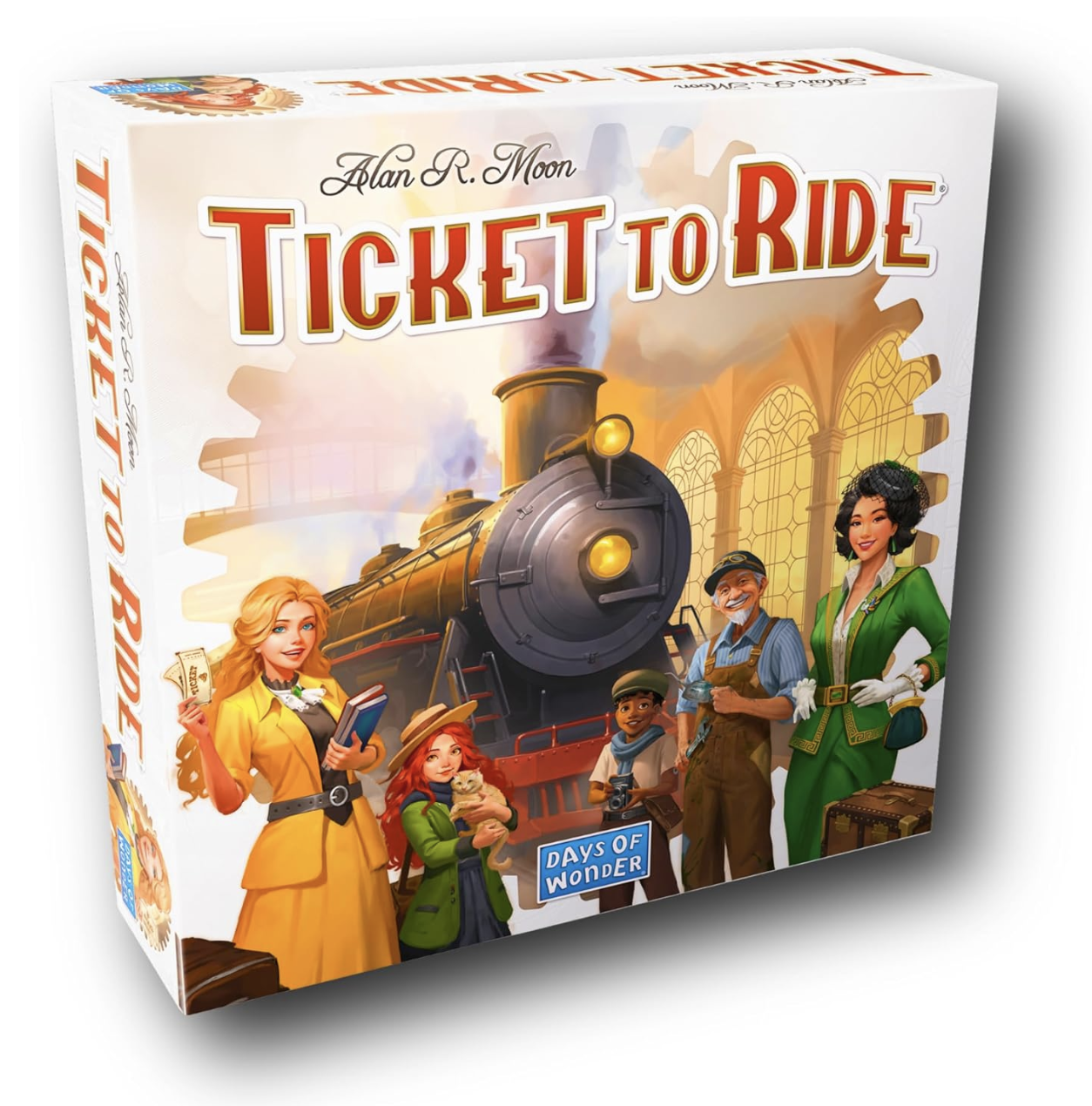
1. Ticket to Ride

Everyone’s favorite train game. Build routes. Block your friends. Argue over who gets to Denver.
It’s intuitive, colorful, and just the right amount of competitive.

We played it once “for a quick game.” Three hours later, someone was muttering about revenge railroads. Worth it.

🎲 Guru Tip: New players love it because they can “get it” in one round. That’s gold for family night.

Grab the Game on Amazon


Kingdomino

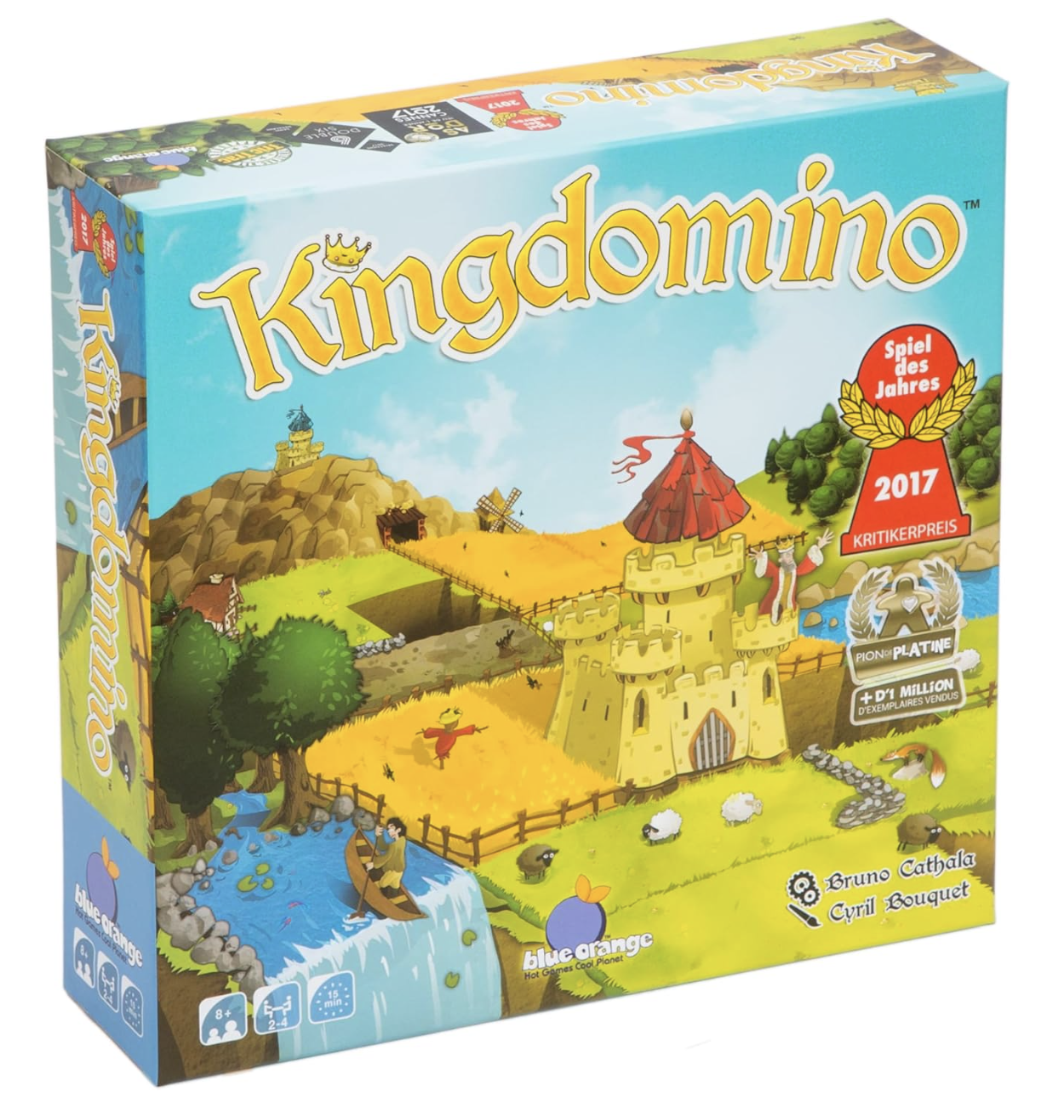
2. Kingdomino

It’s dominoes, but make it medieval. Build your kingdom by matching tiles, connecting crowns, and praying your last piece fits.

It’s simple, smart, and sneaky. A great bridge between kids’ games and adult-level strategy.

🎲 Guru Tip: Try the two-player version for coffee-table gaming. Fast and surprisingly intense.

Grab the Game on Amazon


Azul

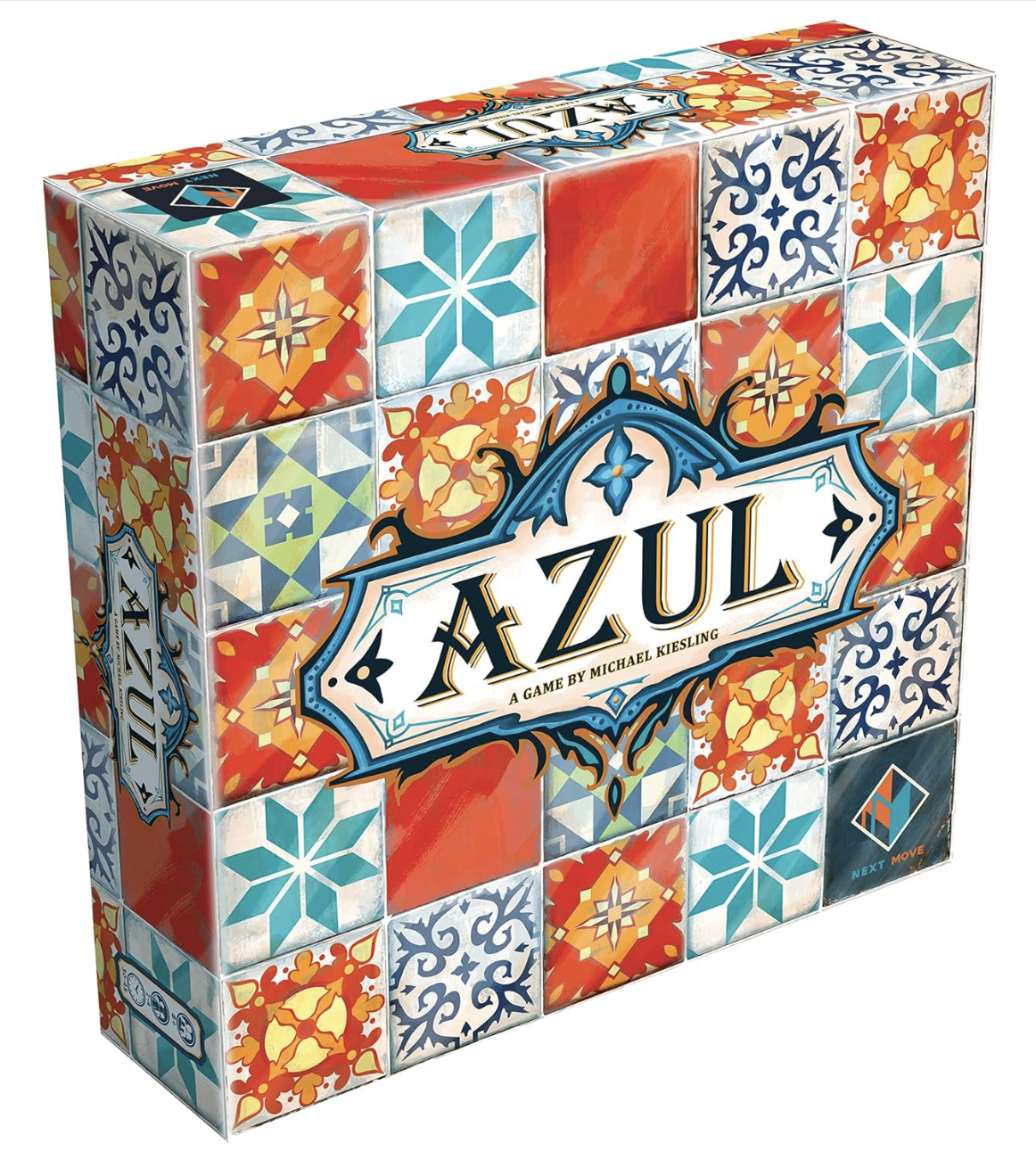
3. Azul

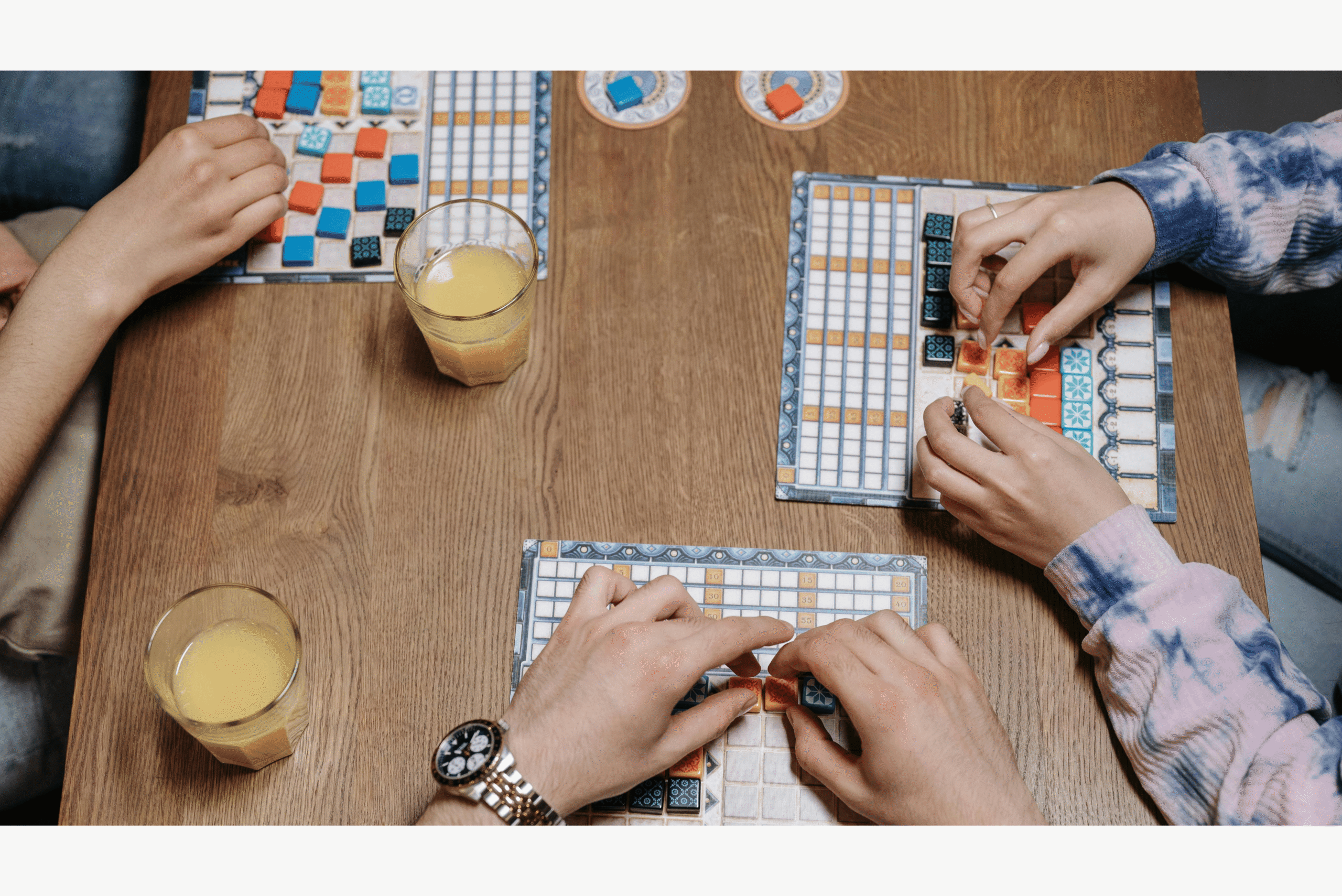
You’re decorating a wall with tiles. Sounds chill, right? Wrong. It’s cutthroat in the prettiest way possible.

Each turn feels calm … until someone takes the tile you needed. Then it’s war. Quiet, polite, decorative war.

🎲  Guru Tip: The tactile feel of this game? Chef’s kiss. You’ll find yourself stacking tiles even when it’s not your turn.

Grab the Game on Amazon


Carcassonne

4. Carcassonne

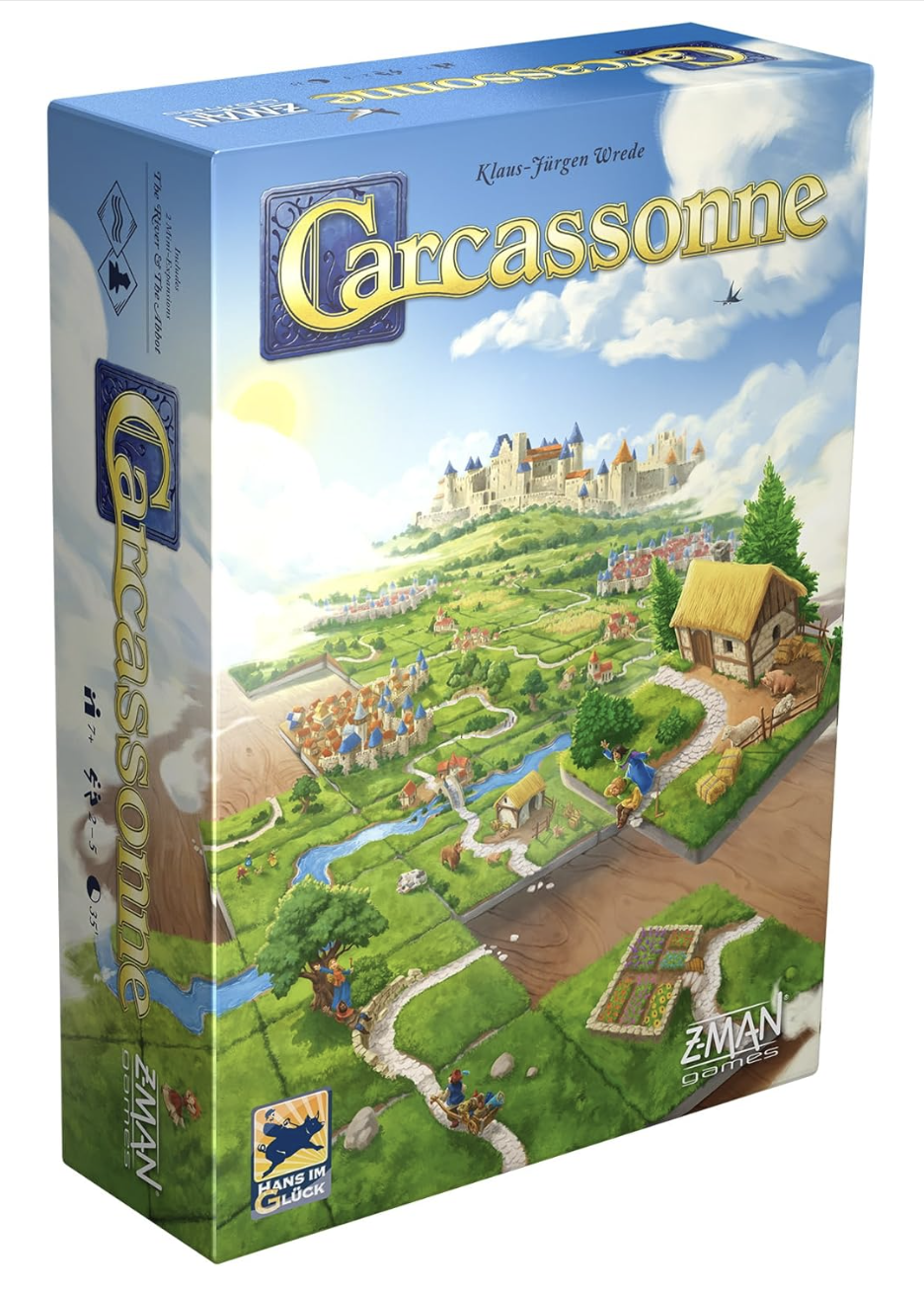
Build cities, roads, and fields from little tiles. It’s the kind of game that starts peaceful and turns quietly competitive once the map fills up.

No fancy rules, just plenty of satisfying moments.

🎲  Guru Tip: Expand it later if you get hooked. There’s a whole world of versions to explore.

Grab the Game on Amazon


Sushi Go

5. Sushi Go!

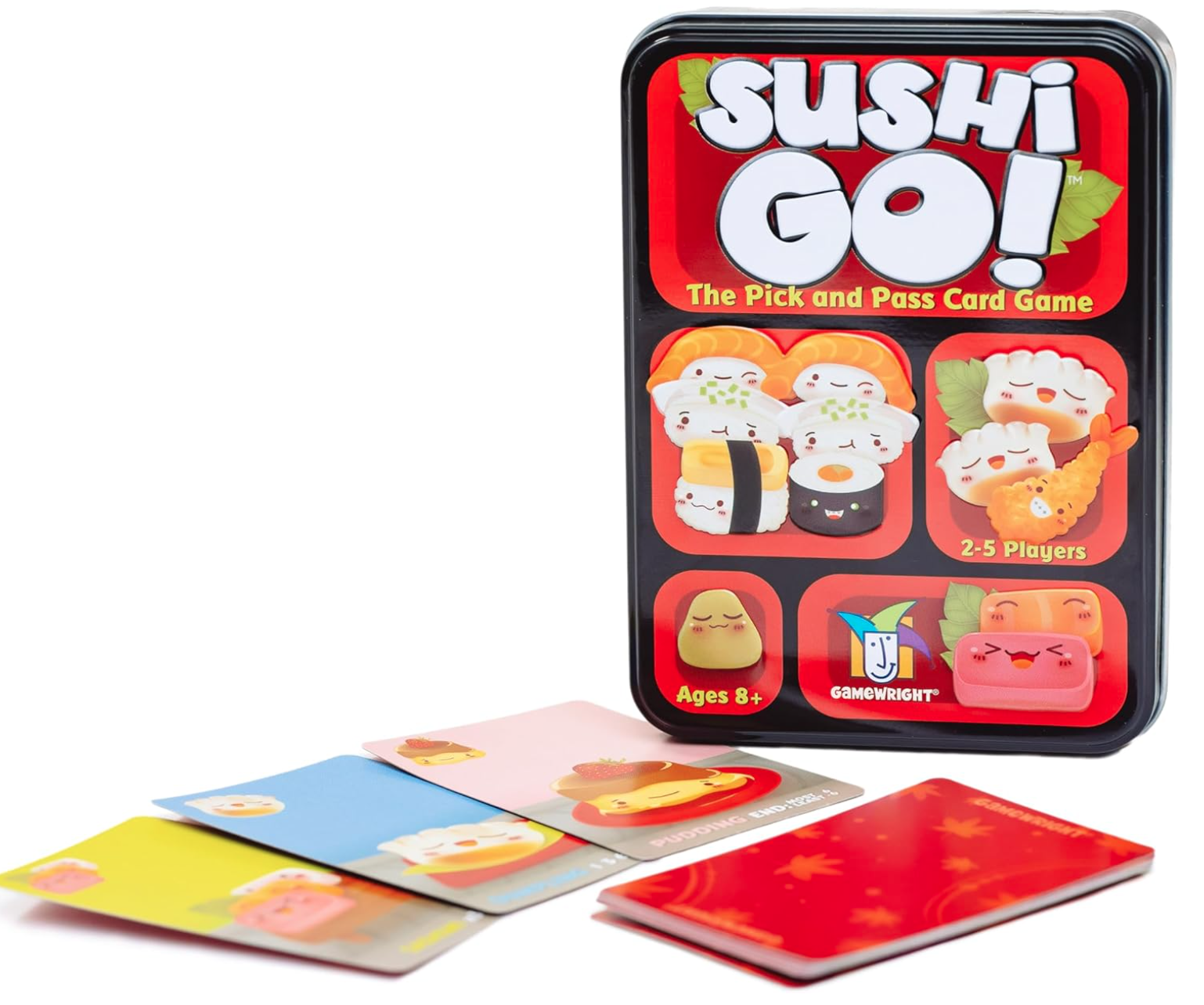
Pick a card, pass your hand, and collect adorable sushi combos for points. It’s fast, funny, and full of sneaky little strategies that make you feel clever.

Even better — it’s small enough to live in your bag for instant game night anywhere. We bring it with us on all road trips.

🎲  Guru Tip: Great warm-up before heavier games. Or for family nights when no one has the brainpower for Catan.

Grab the Game on Amazon


You don’t need a PhD in rulebooks to enjoy game night. Sometimes the best games are the ones that just click — where everyone’s in, laughing, and already asking for one more round.

That’s the magic of smart simplicity.

More from Tabletop Gurus

Continue reading

5 Easy Board Games You Can Teach in Under 10 Minutes

5 Easy Board Games You Can Teach in Under 10 Minutes

Short on time? These five board games are quick to teach, fast to play, and perfect for families or casual nights with friends.

5 Easy Board Games You Can Teach in Under 10 Minutes

You know that moment — you sit down, crack open a shiny new game, and then … it’s a 40-page rulebook. Suddenly, your evening turns into a “seminar on medieval wheat distribution.” Nobody has time for that.

So here are five games you can teach in under 10 minutes. Quick rules, quick fun, and nobody’s brain melts.

The Games


Sushi Go

1. Sushi Go!

Draft some sushi, pass the cards, score points. That’s it. First game takes five minutes, second game feels like you’ve been playing for years.

Grab the Game


Love Letter

2. Love Letter

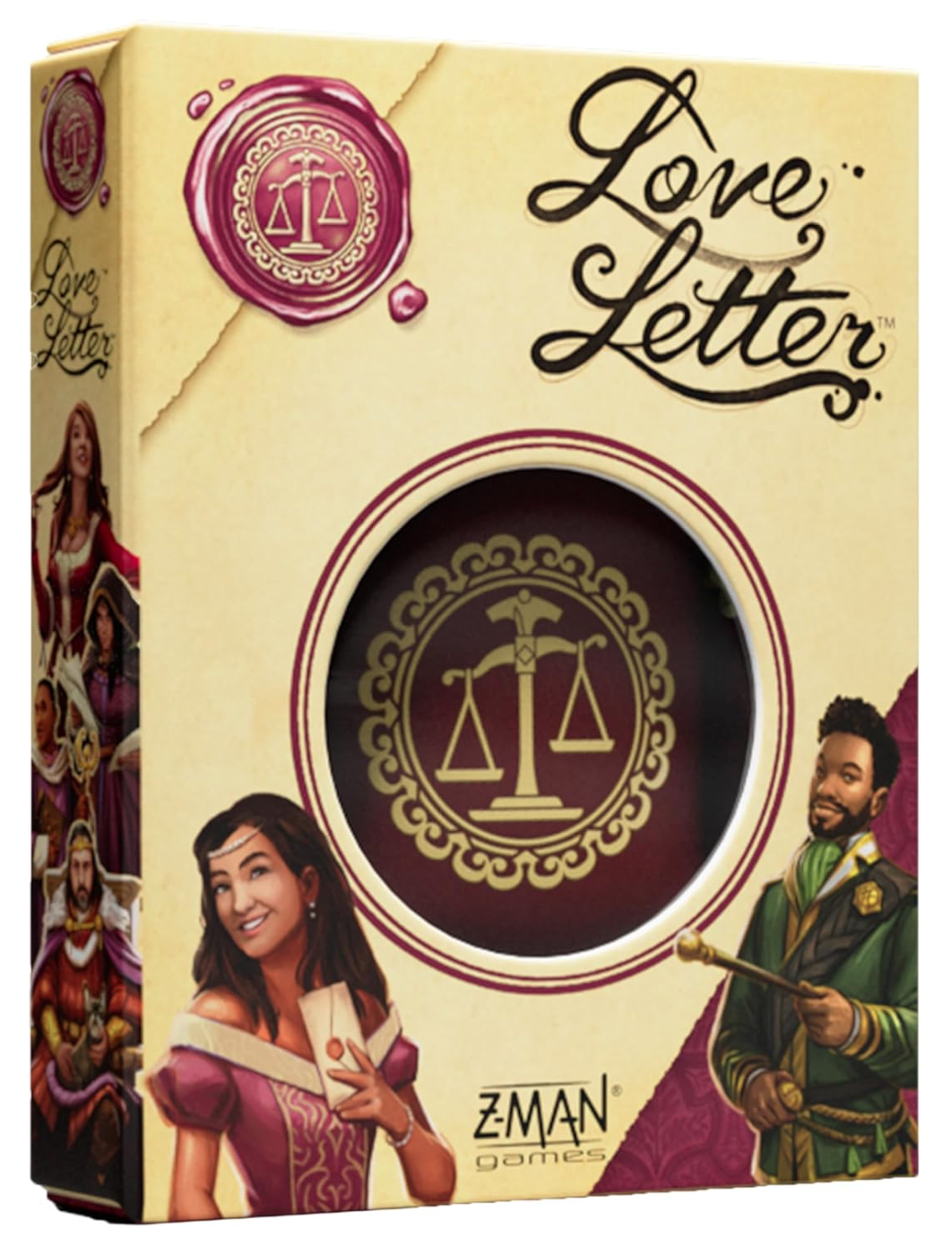
A tiny deck, a whole lot of bluffing. You’re just trying to get your love note to the princess. Or block someone else. Or lie badly.

Grab the Game


Skull

3. Skull

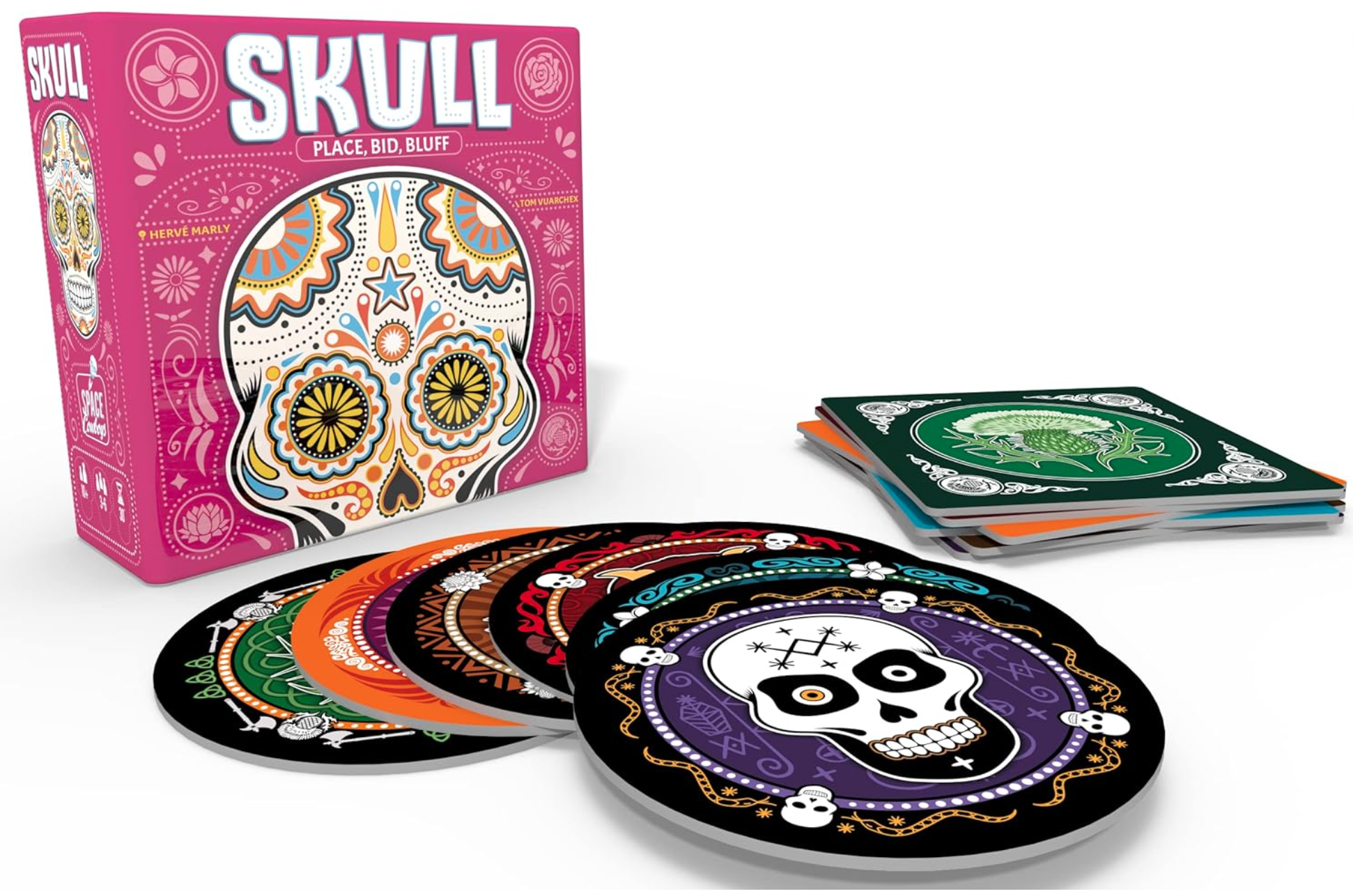
Flower or skull? Flip cards, bluff your friends, and prepare to lose to someone who can’t keep a straight face.

Grab the Game


Zombie Dice

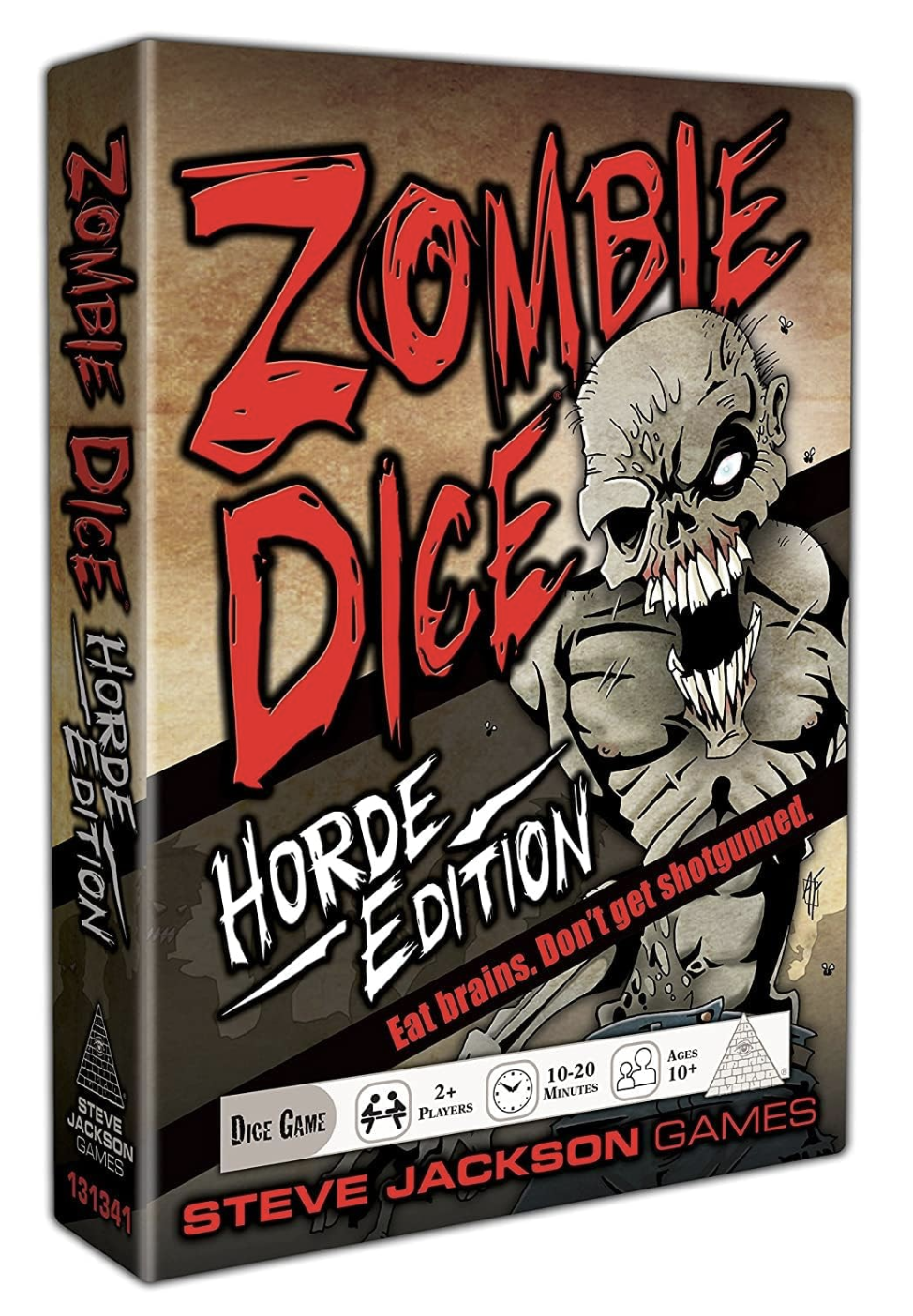
4. Zombie Dice

Roll dice, eat brains, avoid shotguns. Kids love it, adults get way too into it.

Grab the Game


For Sale

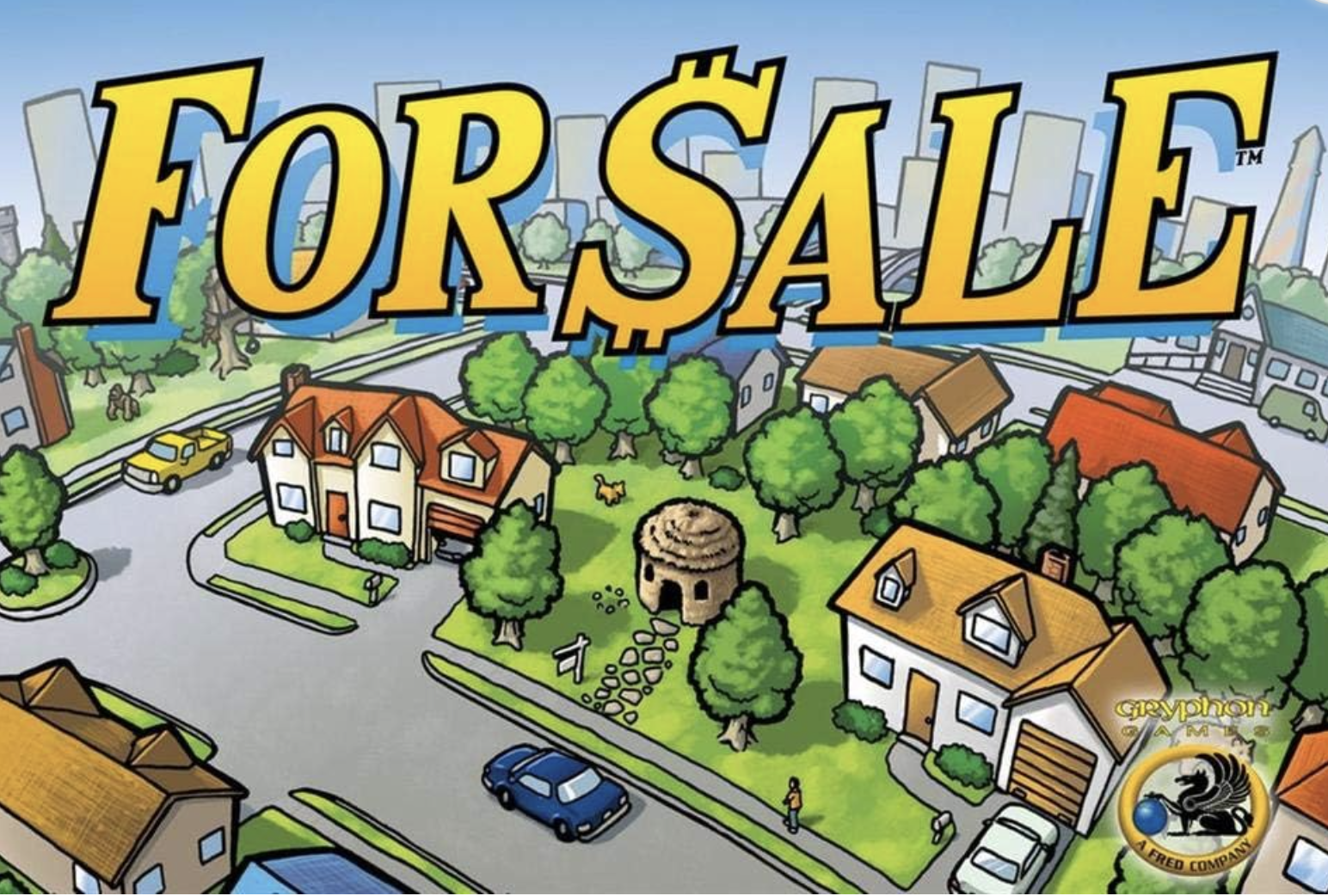
5. For Sale

It’s a fast-paced game of bidding and bluffing. It’s not how much you pay for your properties, it’s how much you sell them for.

Grab the Game


You don’t need a tome of rules or a lost weekend to go on an adventure. These games are short, sweet, and just epic enough.

More from Tabletop Gurus

Continue reading

Why Catan Was Our Gateway Game (and Why It Still Holds Up)

Why Catan Was Our Gateway Game (and Why It Still Holds Up)

Catan wasn’t just a game — it was the one that started it all. Here’s why this classic still deserves a spot at your table (and in your heart).

Everyone remembers their first real board game — not the ones with dice you could swallow, but the one that made you realize, oh, this can be fun.

For us, that game was Catan.

We didn’t know what to expect the first time we sat down. A map of hexagons. Little wooden houses. A pile of sheep cards. It looked complicated, but once we started playing, something clicked. Catan wasn’t just about luck or who went first. It was about making smart trades, spotting opportunities, and trying not to lose your mind when someone built a road exactly where you were going.

The gateway effect

Catan is famous for a reason. It bridges the gap between old-school roll-and-move games and the modern world of deep strategy. You don’t need to memorize a novel-length rulebook, but there’s enough complexity to make you feel clever when you win. You start to think two turns ahead. You start to plan. And suddenly, Monopoly feels like a kid’s toy.

That’s why so many gamers call Catan their “gateway game.” It opens the door to the broader world of modern tabletop gaming — strategy, resource management, friendly negotiation, all in one tight little package.

It’s social, not just strategic

What makes Catan great isn’t just the game itself — it’s the people around the table. You can’t play Catan in silence. You have to talk, trade, plead, and occasionally fake a smile when someone takes “your” longest road. The social element is what keeps it fresh. Every game feels different because every group plays differently. Some people negotiate like diplomats; others hoard resources out of spite. Both strategies work (sometimes).

It still holds up

Even after years of expansions, spinoffs, and copycats, Catan still deserves its spot on the shelf. It’s easy enough to teach to new players. It’s tense without being exhausting. And when you finally win by trading a single sheep for the last piece you need, it feels earned.
That’s the mark of a great design. It keeps you coming back long after the novelty wears off.

When you’re ready for more

If Catan hooked you, you’re not alone. It’s the reason a lot of us started exploring games like Carcassonne, Ticket to Ride, or Wingspan. Each one builds on what Catan started: smart, interactive, thoughtful gameplay that feels rewarding no matter your skill level.

Why we still play it

Even now, after years of new releases, we still break out Catan from time to time. It’s familiar. It’s comfortable. It’s that game you can always count on when you’re introducing someone new to the hobby. And honestly? Watching a first-time player light up when they figure it out, that’s the best part. It’s like seeing your own gaming journey begin all over again.

More from Tabletop Gurus

Continue reading

How to Get Your Kids into Board Gaming (Without Bribing Them)

How to Get Your Kids into Board Gaming (Without Bribing Them)

Want to turn family nights into fun nights? Here’s how to get your kids into board gaming — no bribes, no boredom, just stories, laughter, and connection.

Remember when “family game night” meant pulling Sorry! out of the closet, realizing two pieces were missing, and spending half the night arguing about who cheated? Yeah, us too.

But something magical happens when you find the right game for your kids — the one that clicks, holds their attention, and maybe even sparks a little friendly competition. The trick is figuring out how to get there without turning it into homework.

Start with stories, not rules

Most kids don’t care about mechanics or strategy. They care about adventure. They want to feel like they’re part of a world, not trapped in a math problem disguised as fun.

Games like Outfoxed! or Sleeping Queens sneak in counting and logic, but they’re wrapped in stories that make sense to kids. There’s a mission, a mystery, or a dragon somewhere — and that’s what keeps them playing.

Keep it short (for everyone’s sanity)

Attention spans are … well, let’s just say they vary. Start with games that play in under 20 minutes. Let them win sometimes (yes, really).

The point isn’t to finish the game — it’s to make sure they want to play again next week.

Pick the right level of chaos

Every family has its own energy. Some thrive on noise and laughter. Others prefer a calmer vibe.

If your crew loves to joke and shout, go for party-style games like Throw Throw Burrito or Taco Cat Goat Cheese Pizza.

If you’ve got quiet thinkers, something like Dragonwood or Qwirkle hits the sweet spot — simple moves, colorful pieces, just enough strategy to feel grown-up.

Make it feel like an event

Pizza night? Perfect excuse for a game. Lazy Sunday afternoon? Build a mini tournament.

The more you build routine around it, the more kids will look forward to it. Before long, they’ll be the ones asking, “Can we play tonight?”

Guru tip: let them be the ones to pick the game or set up the board. A little ownership goes a long way.

Be patient with the rules

You know that moment when you realize you’ve been explaining for ten minutes and nobody’s listening? Yeah, we’ve all been there.

Skip the deep dive. Learn as you play. Let them make mistakes. Half the fun is watching them figure it out — and sometimes, they’ll find new “house rules” that actually make the game better.

Celebrate the small wins

You’re not trying to raise a future grand champion (unless you are, in which case, teach them Catan early). You’re trying to make memories.

Celebrate good moves, funny moments, and creative chaos. Keep it light, keep it fun, and soon game night will feel less like “family bonding” and more like the best part of the week.

More from Tabletop Gurus

Continue reading

Best Card Games for Kids

Best Card Games for Kids

Best Card Games for Kids

Looking for card games that keep the kids entertained without turning the living room into a battlefield? These picks are fun, easy to learn, and perfect for family game nights. Trust me, we’ve tried them, and they’re a hit!

The Games


Taco Cat Goat Cheese Pizza

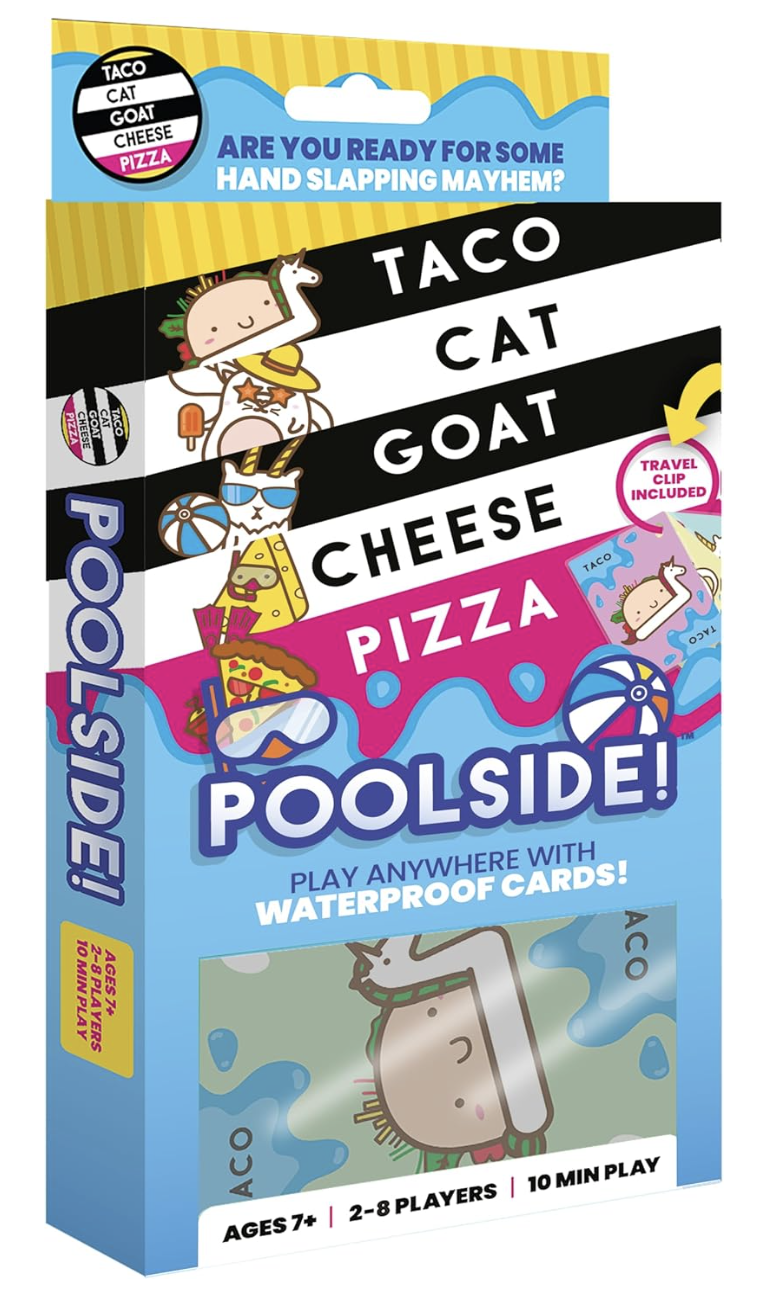
1. Taco Cat Goat Cheese Pizza

  • Ages: 7+
  • Players: 2–8
  • Playtime: 10–15 minutes

This game is a whirlwind of fun! Players take turns saying “Taco, Cat, Goat, Cheese, Pizza” while placing matching cards. When the card matches the word, everyone slaps the pile. It’s fast, it’s loud, and it’s hilarious. My niece slapped my hand so hard, I thought I’d lost a finger. Perfect for those who love a little chaos with their cards.

Grab the Game


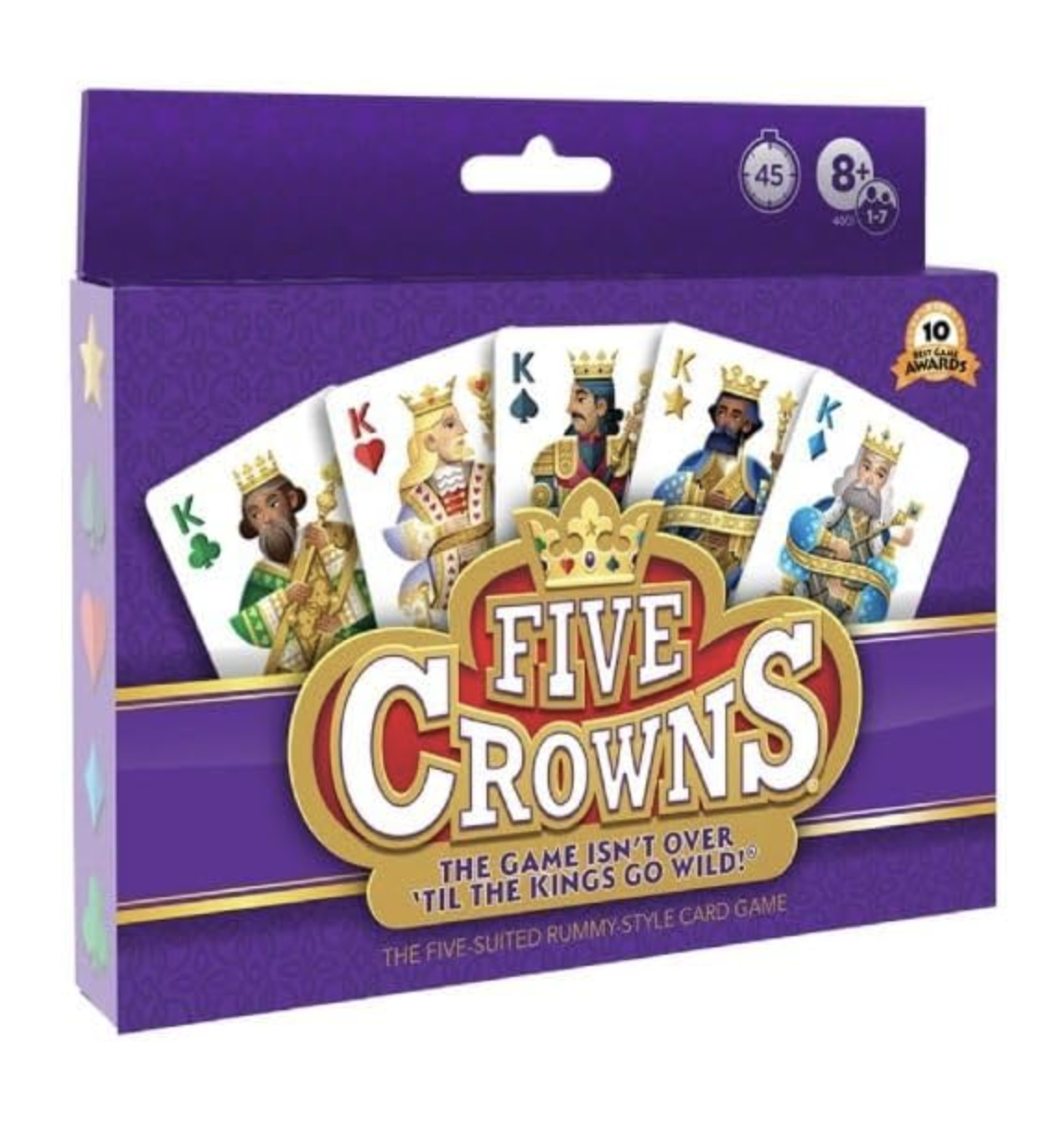
Five Crowns

2. Five Crowns

  • Ages: 8+
  • Players: 1–7
  • Playtime: 30–45 minutes

Think rummy with a twist. Players aim to form sets and runs, but the twist is the changing wild card each round. It’s a game of strategy and luck. I’ve seen a kid win by holding onto a single card for three rounds — talk about patience! It’s a great game for those who like a bit of challenge.

Grab the Game


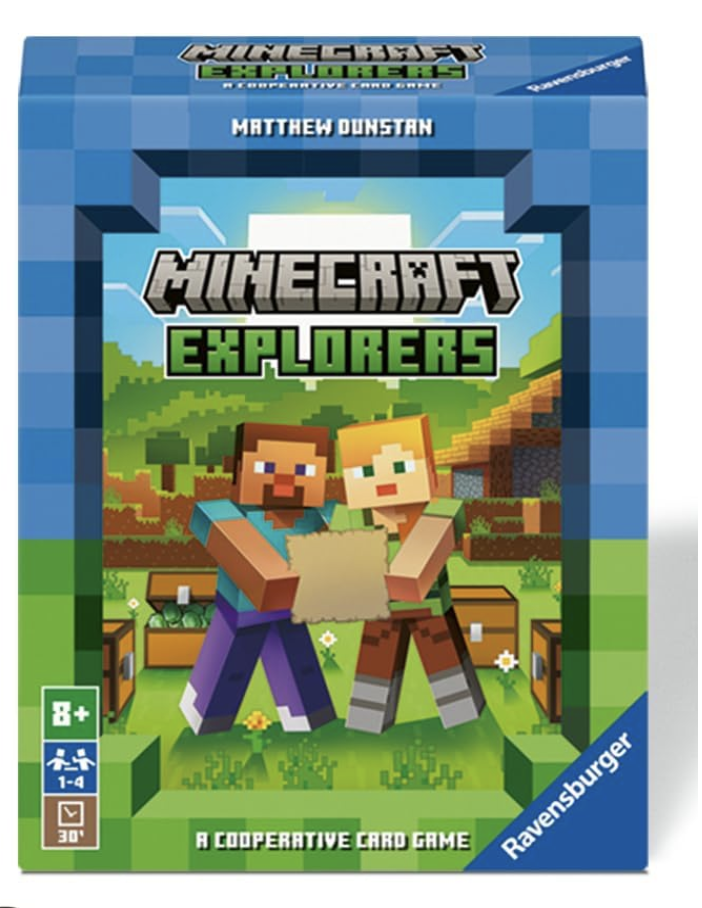
Minecraft Explorers Card Game

3. Minecraft Explorers Card Game

  • Ages: 8+
  • Players: 1–4
  • Playtime: 30 minutes

For Minecraft fans, this is a must-have. Players explore the blocky world, gather resources, and try to avoid monsters. It’s like the game comes to life in card form. My cousin built a “diamond sword” out of cards — his imagination is wild. A great way to bring the game into the real world.

Grab the Game


Poetry for Neanderthals

4. Minecraft Explorers Card Game

  • Ages: 8+
  • Players: 3–6
  • Playtime: 15 minutes

This game is all about speaking in single-syllable words. If you mess up, you get a bop on the head with the inflatable club. It’s silly, it’s fun, and it’s surprisingly educational. A great laugh for the whole family.

Grab the Game


Hurry Up Chicken Butt

5. Hurry Up Chicken Butt

  • Ages: 4+
  • Players: 2-6
  • Playtime: 2 minutes

Shake the chicken, reveal an activity, and perform it before passing it on. It’s quick, it’s goofy, and it’s perfect for kids who love to move. Think “cluck like a chicken” and “hop like a frog”. A great way to get the kids moving and laughing.

Grab the Game


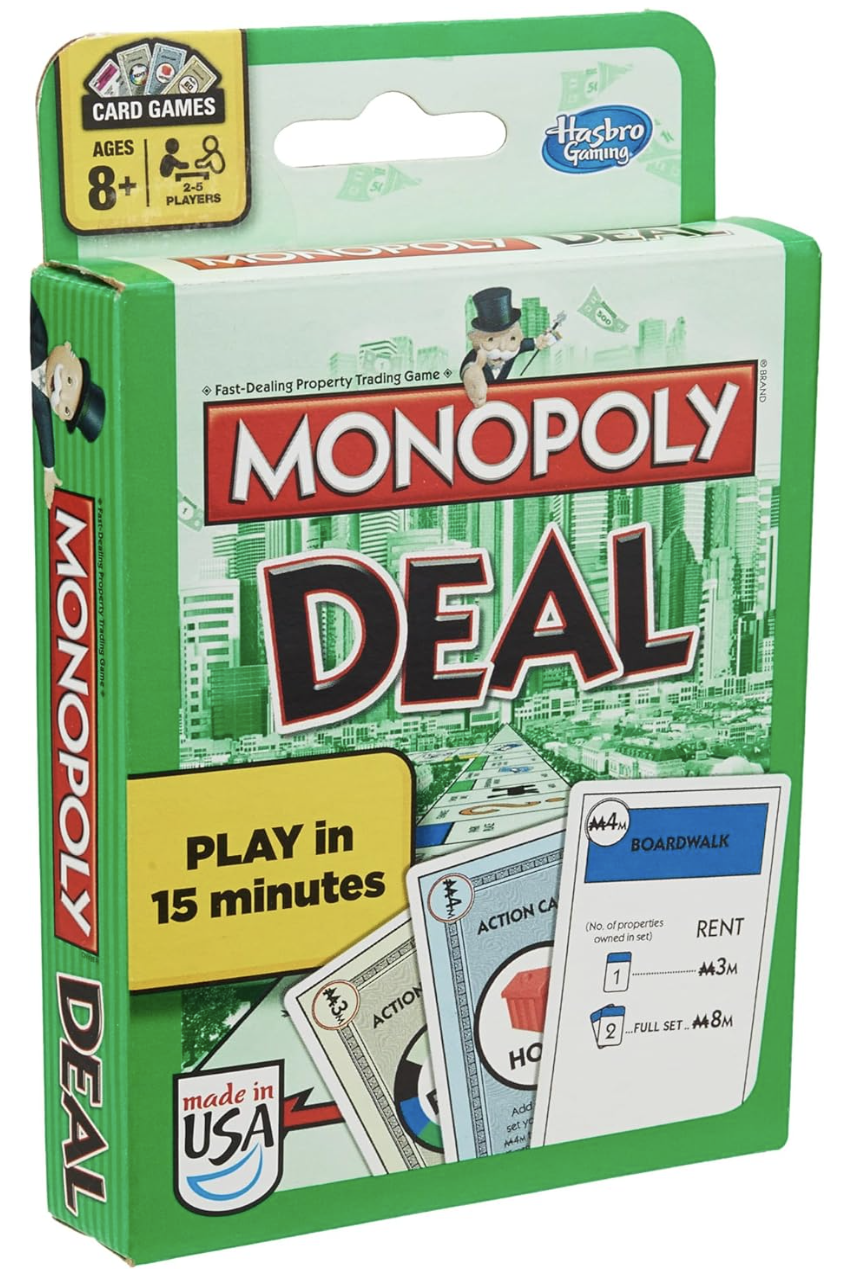
Monopoly Deal

6. Minecraft Explorers Card Game

  • Ages: 8+
  • Players: 1–5
  • Playtime: 15 minutes

A fast-paced version of Monopoly. Collect three property sets, but watch out for action cards that can change the game in an instant – I’ve seen someone who lost all of his properties in one turn—they were not pleased. It’s a great game for those who love a bit of strategy and luck.

Grab the Game


More from Tabletop Gurus

Continue reading

Fantasy Board Games That Aren’t a Four-Hour Life Commitment

Fantasy Board Games That Aren’t a 4-Hour Life Commitment

Fantasy

Look, I love dragons, quests, and the occasional dramatic cape as much as the next nerd. But sometimes? I just don’t have four hours and a gallon of coffee to dedicate to a game. With little kids in the mix, I need something that feels epic but won’t leave us explaining rules until bedtime. These games hit the sweet spot: fantasy fun, under an hour, and zero headaches.

Our “No Brain Drain” Rules:

  • Setup in under 10 minutes (because kids have no chill)
  • Playtime under 60 minutes
  • Still feels magical, not math homework

The Games


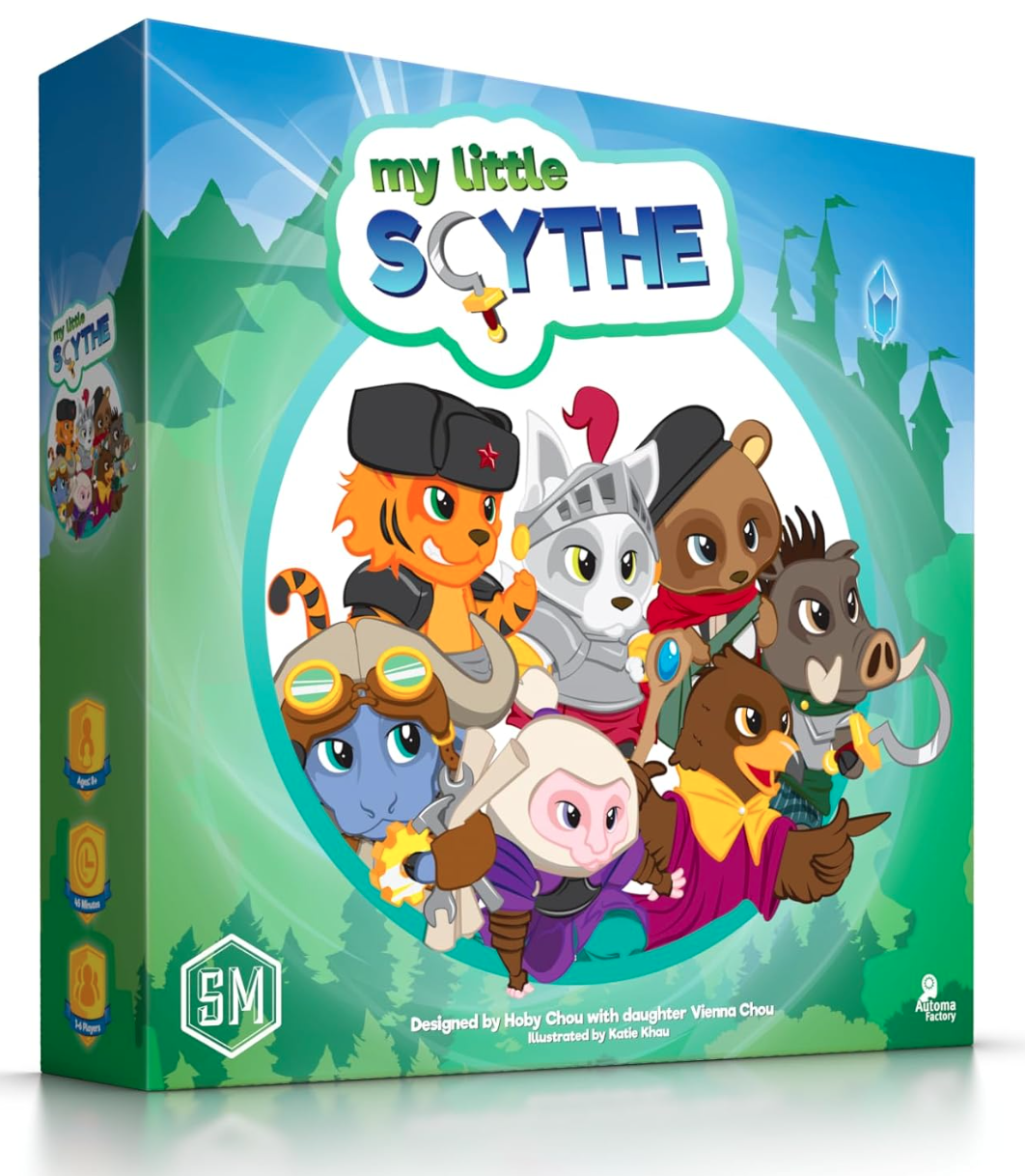
My Little Scythe

1. My Little Scythe

Yes, it’s the adorable, family-friendly cousin of Scythe. Think colorful animal minis, pie fights (literally), and little quests that feel like adventures without being overwhelming. 

Grab the Game


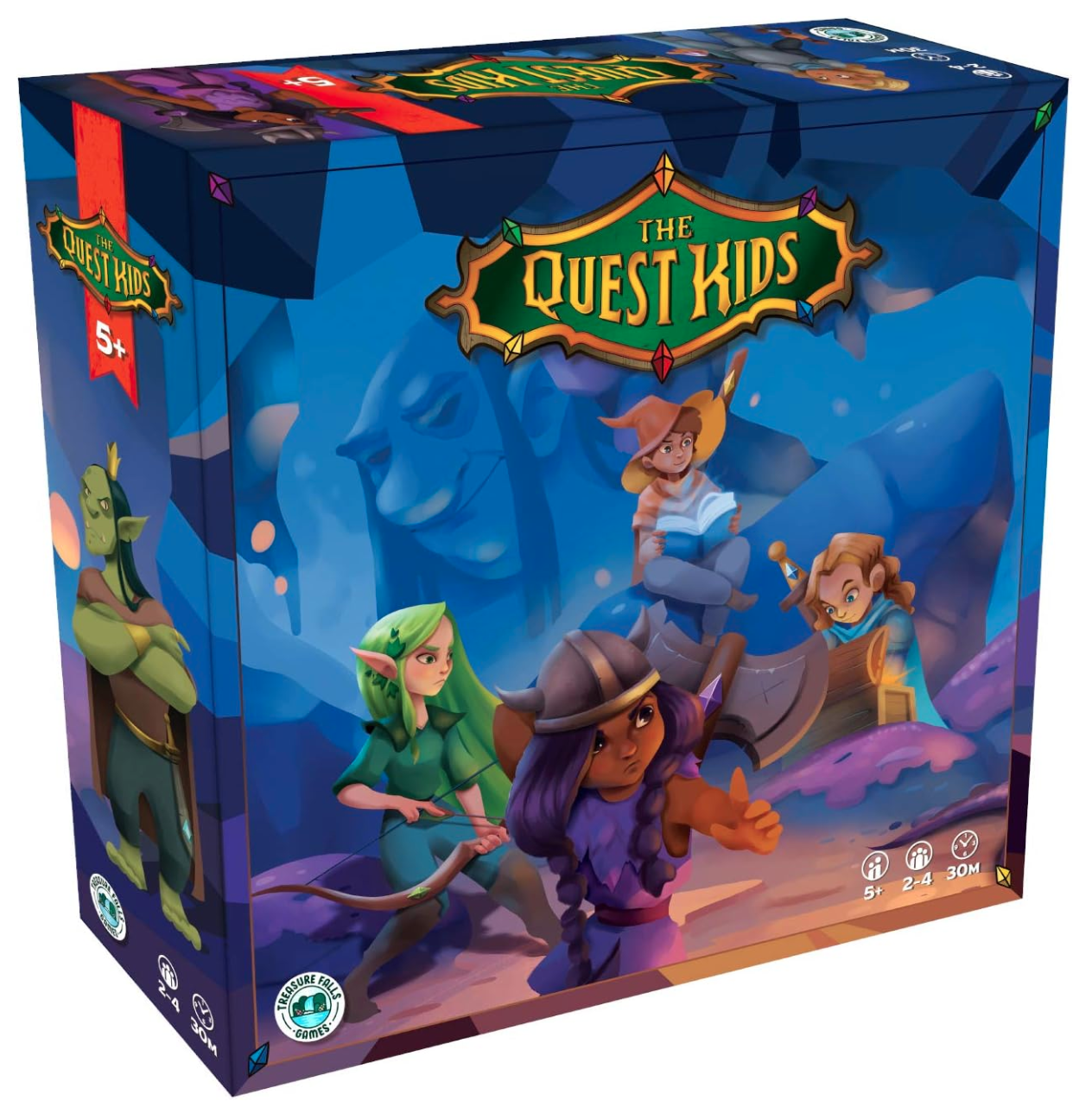
The Quest Kids

2. The Quest Kids

This one’s technically for kids, but here’s the thing — I found myself still playing after bedtime. It’s a dungeon crawl where you flip over cards, fight baddies, and collect treasures. I love that it scratches my old-school D&D itch without a spreadsheet.

Grab the Game


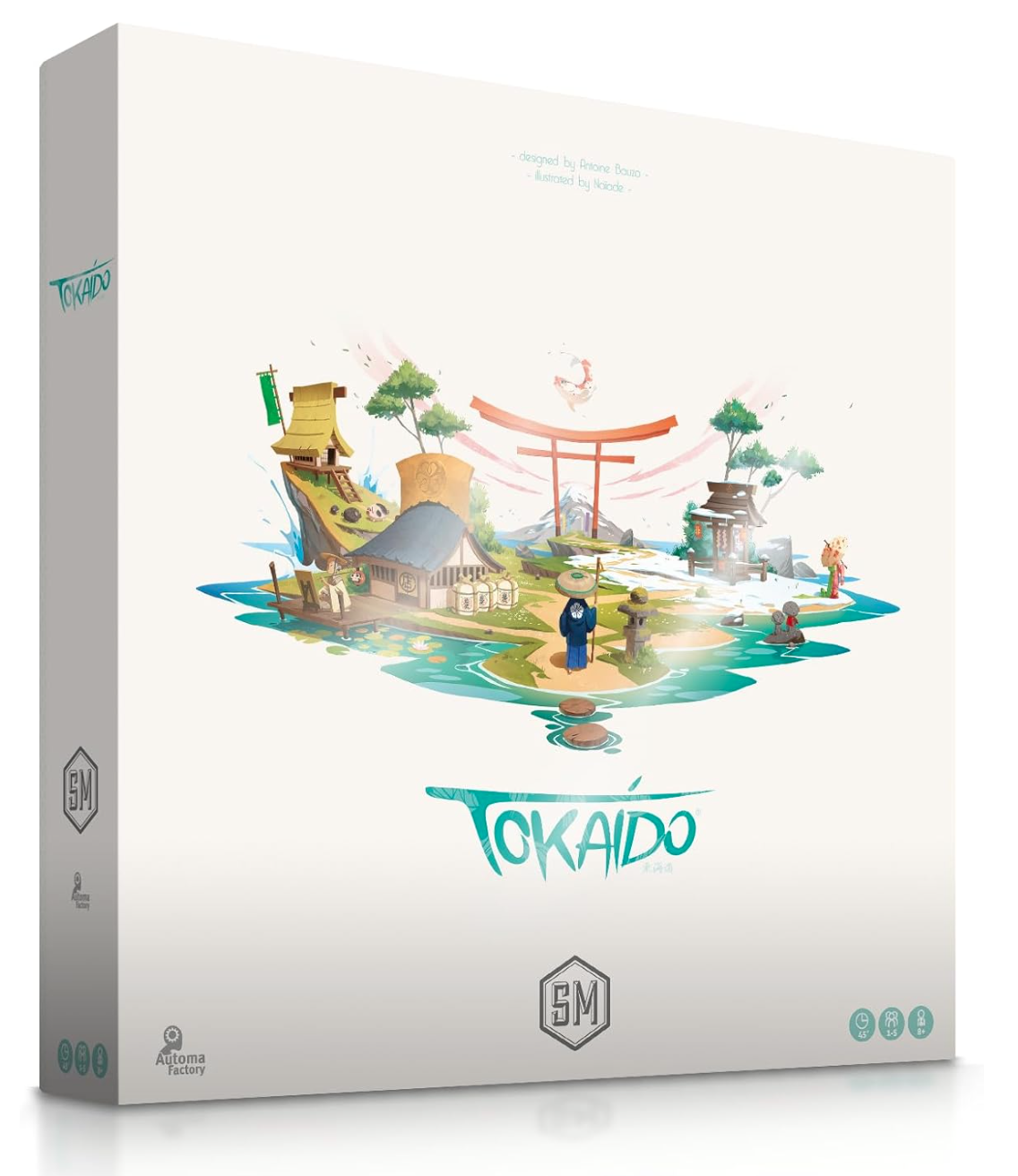
Tokaido

3. Tokaido

Okay, not technically swords-and-sorcery, but it’s got that dreamy, storybook vibe. You’re traveling across Japan, collecting experiences like hot springs and delicious meals. It’s chill, beautiful, and feels like a vacation compared to most fantasy games. 

Grab the Game


You don’t need a tome of rules or a lost weekend to go on an adventure. These games are short, sweet, and just epic enough.

More from Tabletop Gurus

Continue reading

Learning Games That Don’t Feel Like Homework

Learning Games That Don’t Feel Like Homework

Learning Games

Okay, so here’s the deal. Nobody, and I mean nobdy, wants to sit through one of those “educational” games that feel like you just plopped a worksheet on the table. Kids are smart. They can sniff that out instantly. What you want are games that sneak in a little math, memory, or problem-solving while still being fun enough that you actually enjoy playing too. These are the ones that pass the “my 4-year-old asks for them again and again” test.

The Games

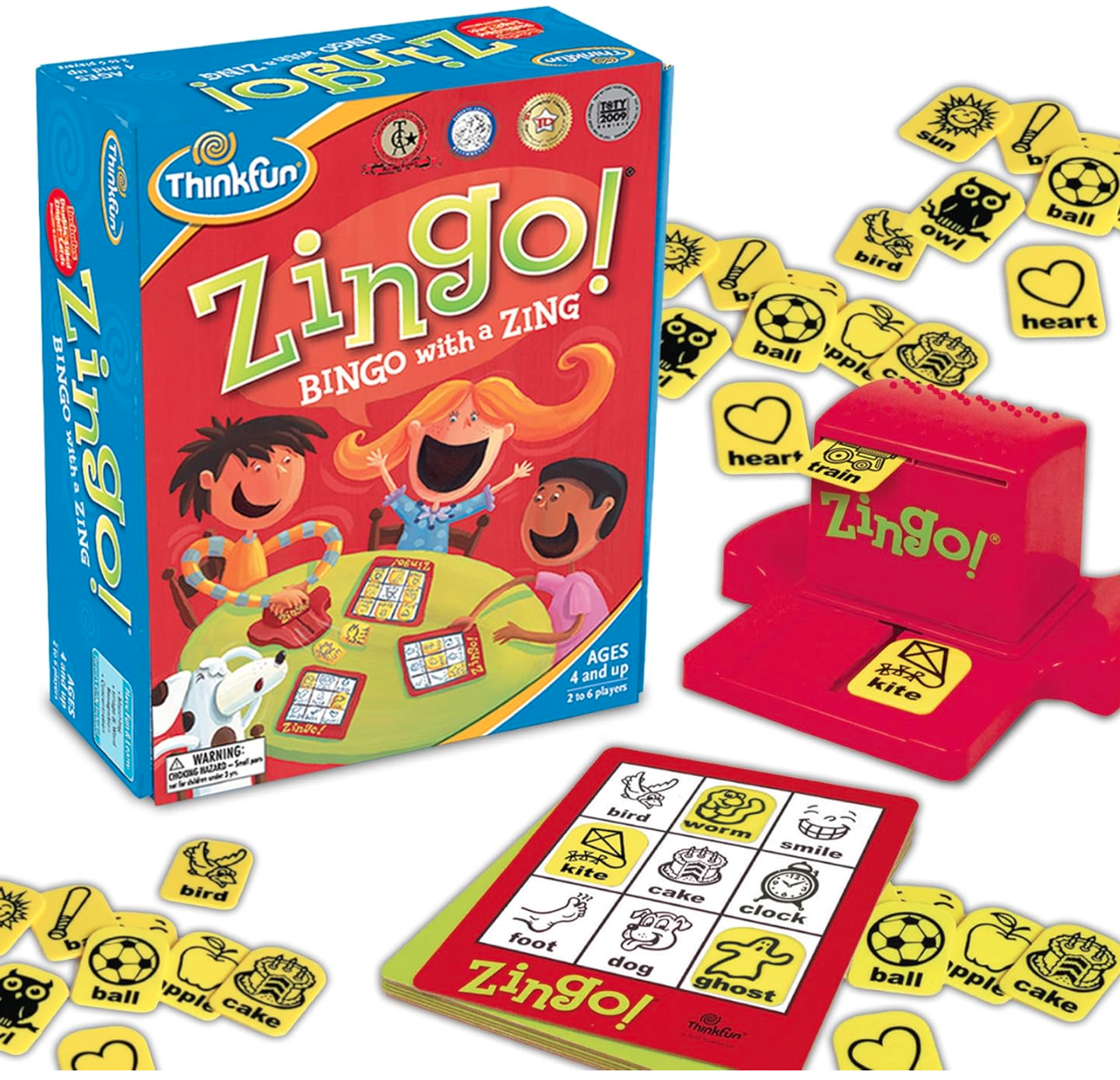
Zingo

1. Zingo!

This one’s basically Bingo, but it’s faster, louder, and way more competitive than you’d ever expect. My kid smacks that tile dispenser like it’s a slot machine in Vegas, and honestly, I kinda get into it too. Reading, picture recognition, memory — it’s all baked in, but no one notices because we’re too busy yelling “Zingo!” at each other.

Grab the Game


Count Your Chickens

2. Count Your Chickens

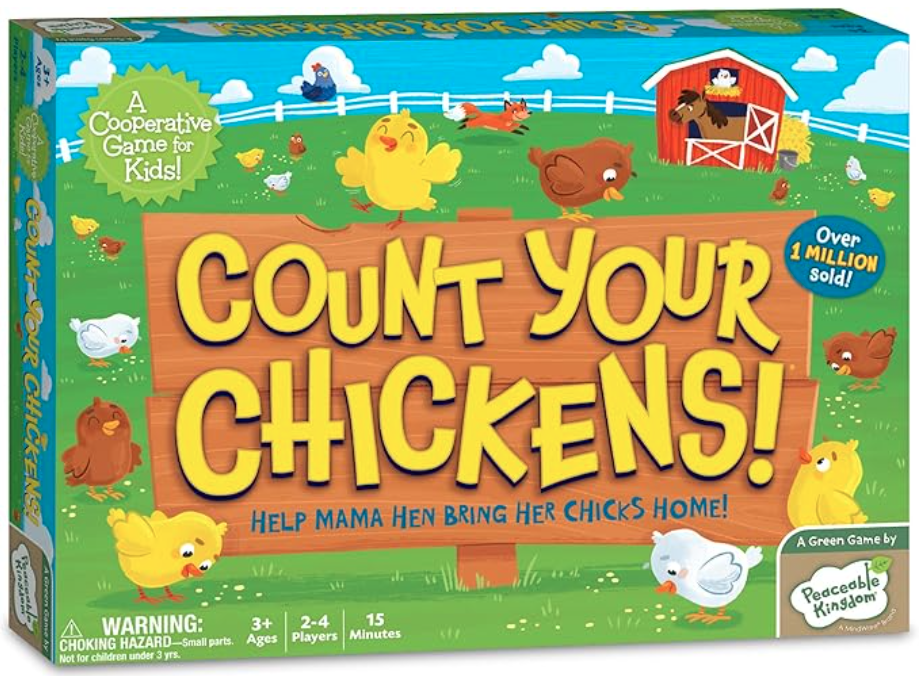
Picture this: baby chicks escaping the coop, and everyone has to work together to bring them back. It’s cooperative, which means no tears when someone “loses” because, well, we all either win or lose together. And the counting practice? Totally natural. Your kid will cheer every time you move a chick, which will be adorable the first 20 times, and then still kinda adorable after that.

Grab the Game


Hoot Owl Hoot

3. Hoot Owl Hoot

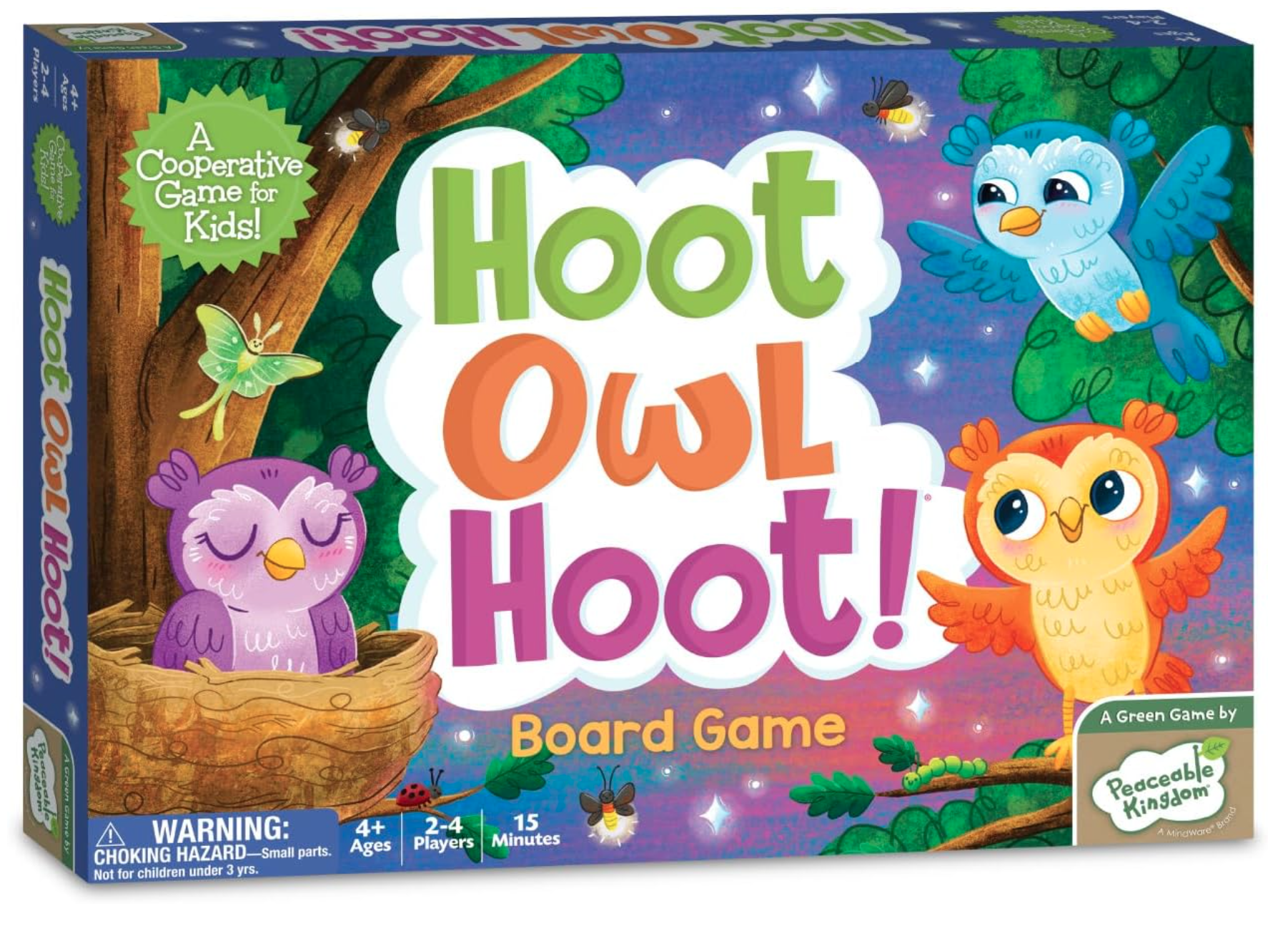
This one is genius. You’re working together to get owls back to their nest before the sun rises. It’s color-matching and strategy rolled into one. Your kid will want to flap their arms and hoot every time you move an owl, and let me tell you, it never stops being funny. Bonus: it teaches patience and planning without anyone melting down.

Grab the Game


Richard Scarry's Busytown Seek and Find Game

4. Richard Scarry’s Busytown Seek and Find Game

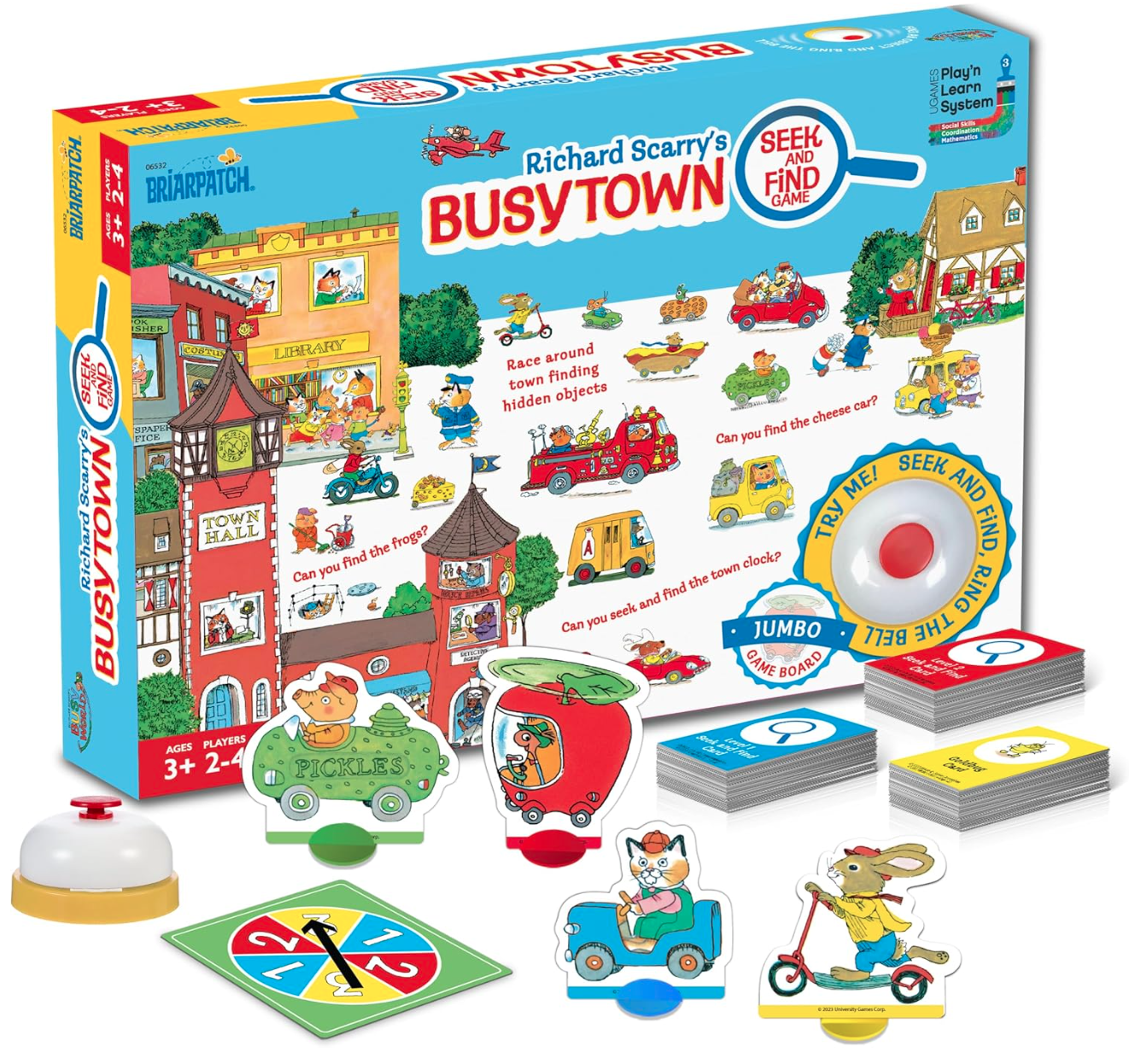
This board is HUGE. Like, takes-up-the-whole-table huge. And it’s basically a giant seek-and-find adventure. You flip a card, then everyone’s scrambling to spot what’s on it before the timer runs out. I mean, it’s chaos — in the best way. You know how kids love pointing out random things? This game harnesses that and actually makes it structured.

Grab the Game


SEQUENCE for Kids

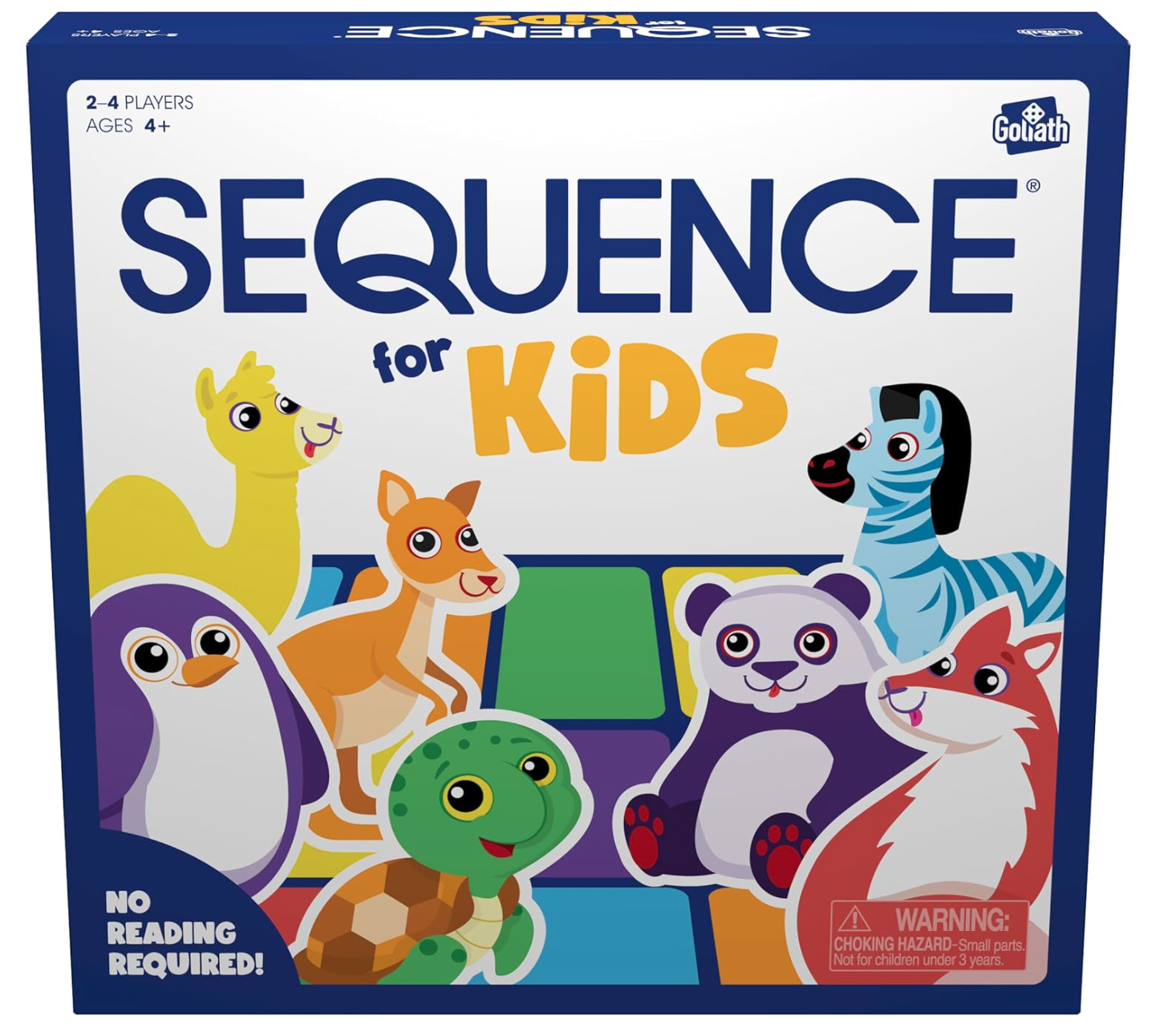
5. SEQUENCE for Kids

So this one looks super simple — animal cards and a board — but it sneaks in strategy. Your kid won’t even realize they’re planning moves ahead, but they are. And I’ll admit, I’ve lost to a little more than once. It’s humbling, but hey, at least I can say I’m “building their critical thinking skills.”

Grab the Game

More from Tabletop Gurus

Continue reading

Cooperative Games (Where Everyone Wins or Loses Together)

Cooperative Games (Where Everyone Wins or Loses Together)

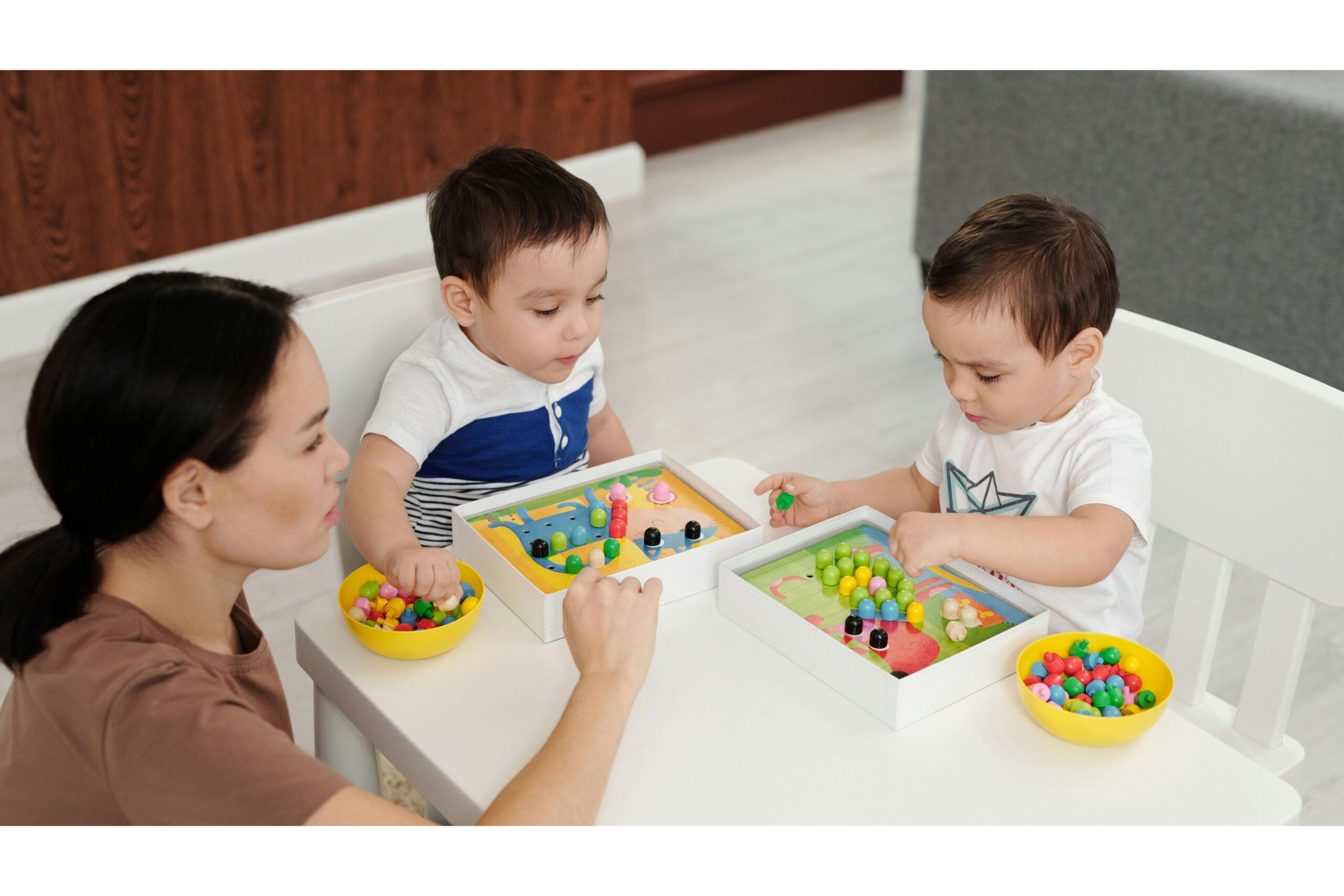
Kids looking a paper together

Toddlers are, well … let’s just say “enthusiastic” when it comes to winning. And losing? Boy oh boy. Let’s not even go there. That’s why cooperative games are our go-to. We don’t need to battle each other. Instead, everyone works together to beat the game. Because as you know, teamwork makes the dream work!

There’s Less drama, fewer meltdowns, and way more laughing at how serious we’re all taking a cardboard board with owls on it.

The Games

Hoot Owl Hoot

1. Hoot Owl Hoot

This one’s adorable. Everyone teams up to fly owls back to their nest before the sun comes up. Picture your kid flapping their arms like a maniac every time you “save” one. And honestly, it’s worth it just for that. Plus, you can sneak in some color matching and strategy without them even noticing. Parenting win.

Grab the Game


Count Your Chickens

2. Count Your Chickens

Baby chicks have escaped and you’ve gotta get them back into the coop. It’s repetitive, but in that magical toddler way where repetition = joy. My three-year-old literally cheers every time we move a chick, and I sit there thinking, “Wow, I can’t believe this cardboard chicken is the highlight of my Saturday.”

Grab the Game


Race to the Treasure

3. Race to the Treasure

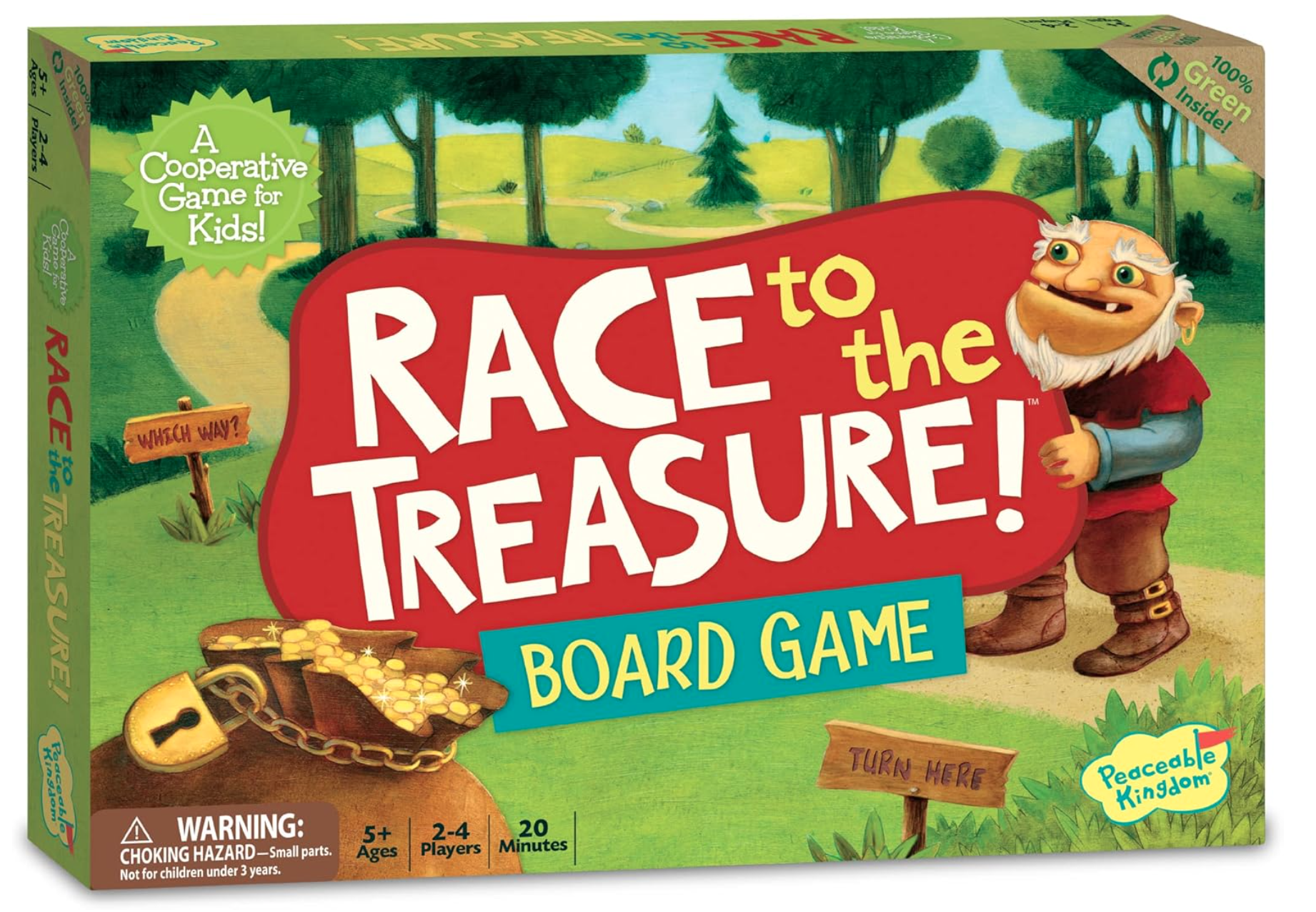
You’ve got to build a path to the treasure before the ogre does. Cue your 5-year-old yelling “He’s coming!!” like it’s a Marvel movie. It’ll actually get you invested because you’re racing together, and let’s be real, it’s nice not being accused of “cheating” when you win.

Grab the Game


Outfoxed

4. Outfoxed

It’s like baby Clue, but with foxes in hats. A pie’s been stolen, and you’ve gotta figure out which fox did it. My kid’s logic is often, “It’s this one because he looks sneaky.” Totally wrong, but hilarious. And when they’re right? They strut like Sherlock Holmes in sneakers.

Grab the Game

Continue reading